
REVIEW · MUSEUMS
Oshawa: Canadian Tank Museum Admission
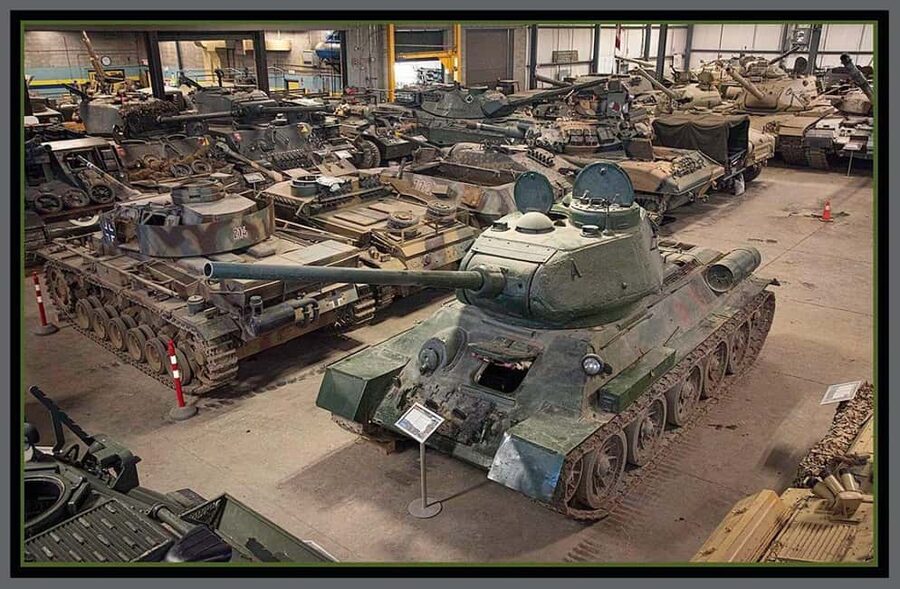
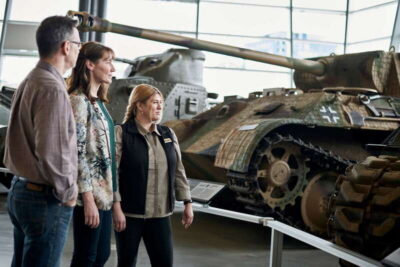
Tanks can be quiet history lessons. The Canadian Tank Museum in Oshawa makes military hardware feel real, with an impressive focus on operational vehicles, live restorations, and veteran stories.
Two things I particularly like are the museum’s scale (170-plus operational vehicles) and the hands-on, behind-the-scenes feel you get from watching active vehicle restorations. One drawback to consider: this is very tank-and-armor focused, so if you want only broad Canadian history, you may find it narrower than other museum days.
If you plan for a no-frills visit, you’ll get a lot. You can spend your one day moving through permanent exhibitions, then circle back for details from volunteer guides, including veterans who explain what you’re seeing and why it mattered. The other thing to keep in mind is that food and drinks are not included, so plan your timing around a meal stop elsewhere.
In This Review
- Key Points You’ll Actually Care About
- Canadian Tank Museum Oshawa: why this place feels different
- How to spend your one-day visit at a smart pace
- Permanent exhibitions: the RCAC story is the backbone
- Watching active restorations is where history gets practical
- Veteran-guided tours: why the explanations matter
- Price and value: what $10 gets you in Oshawa
- Who this museum suits best (and who might hesitate)
- Tips to make the most of your visit
- Should you book Canadian Tank Museum admission?
- FAQ
- How much is admission to the Canadian Tank Museum in Oshawa?
- How long should I plan for the visit?
- What is included with my ticket?
- Is food or drinks included?
- How many vehicles are in the museum’s collection?
- What can I see besides the exhibits?
Key Points You’ll Actually Care About
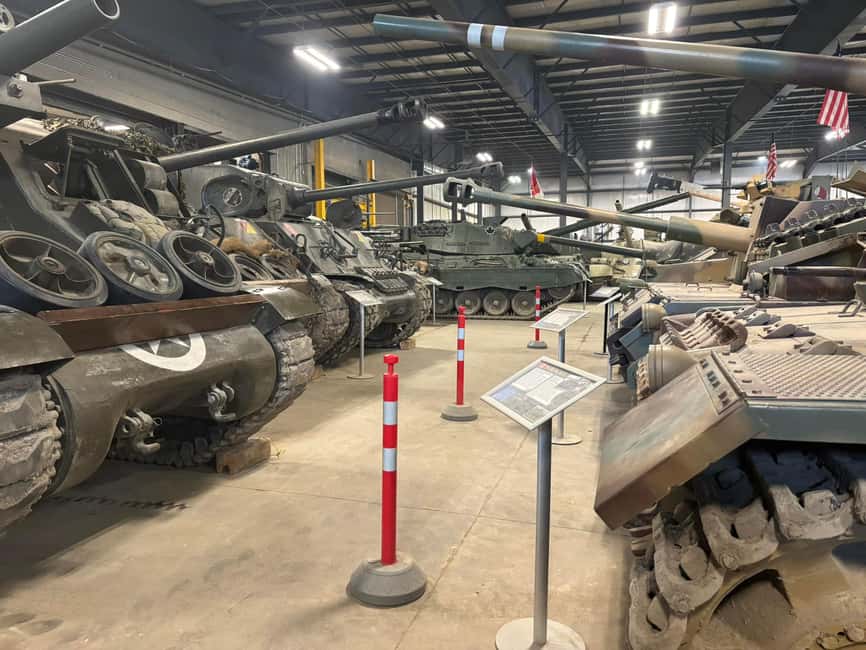
- 170-plus operational military vehicles in one collection, one of the biggest in North America
- Royal Canadian Armoured Corps (RCAC) focus, with a clear connection to Canada’s armoured units
- Active restoration areas so you’re not just looking at history, you’re seeing it worked on
- Veteran-guided storytelling, which turns metal and markings into lived experience
- Maybe a vehicle on the move, depending on what demonstrations are happening that day
Canadian Tank Museum Oshawa: why this place feels different
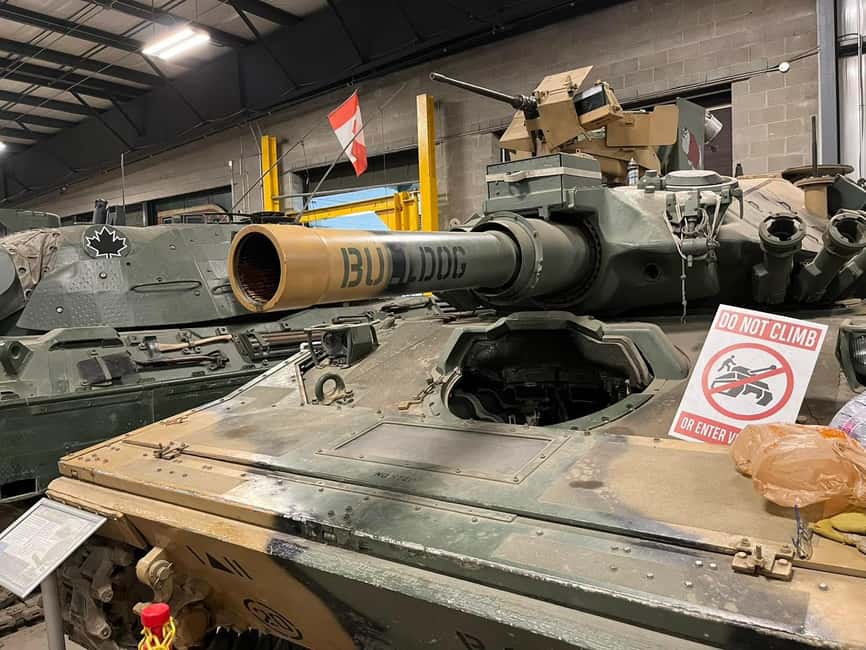
Most military museums are mostly static. You look, you read, you move on. Here, the museum leans hard into the fact that it has operational vehicles and restoration work happening alongside the exhibits. That one choice changes the whole tone of your visit.
The Canadian Tank Museum also isn’t a generic, far-off topic. It’s an official unit museum tied to Durham Region’s own Canadian Army regiment, the Ontario Regiment RCAC. That matters because you’re not just seeing uniforms and equipment. You’re seeing a local connection to Canada’s armoured forces, plus education meant for the public and for Armed Forces.
And because it’s a charitable organization, the goal is teaching through preservation, display, and demonstration. In practice, that means you’re more likely to get context on what a vehicle did, what went wrong, how restorations are managed, and how crews think about readiness.
More Museum Tours in Toronto
- Toronto: Royal Ontario Museum Admission Ticket
★ 4.6 · 1,237 reviews - Royal Ontario Museum Admission
★ 4.5 · 411 reviews - Toronto: Art Gallery of Ontario General Admission Ticket
★ 4.6 · 251 reviews
How to spend your one-day visit at a smart pace
You’re there for a full day, but you do not need to rush. The museum is built for a steady walk with time to stop and ask questions. A good flow is to treat the visit like three rounds:
First round: start with the permanent exhibitions and let your eyes sort the story. The museum covers Canada’s tank forces and the Royal Canadian Armoured Corps, and it also includes large and small artifacts tied to the regiment’s roots going back to 1866 and the formation of militia units in Canada. Even if you mainly came for vehicles, those smaller objects and details help you connect the dots.
Second round: shift your attention to restoration activity. The museum specifically highlights viewable restoration work, where you can see active work on historical vehicles. This is where the museum can feel less like a gallery and more like a working workshop next to history.
Third round: slow down for veteran-led interpretation. Since veterans serve as tour guides, the museum works best when you pause. Ask what you’re looking at, how the vehicle fits into the bigger armoured story, and what it was like to operate or maintain it.
If you’re short on time, you can still see a lot. But if you like details, plan for enough time to return to exhibits after you’ve seen the restorations. The meaning clicks better once you understand what condition and restoration actually involve.
Permanent exhibitions: the RCAC story is the backbone
The museum organizes its displays around a straightforward idea: tell the story of Canada’s military tank forces through the Royal Canadian Armoured Corps. That focus gives you an anchor. Instead of wandering through unrelated eras and projects, you can connect vehicles to a larger national timeline.
You’ll also see how the collection includes both big and small artifacts. The big stuff gets your attention fast, but the smaller items are what often make the history feel human, because they help you understand how soldiers and units used and supported these machines.
One useful approach for your visit: don’t treat the museum as purely a “spot the tank” quest. Treat it like a guided understanding of how armoured units formed, evolved, and operated. The museum ties this to the regiment’s history dating back to 1866, which helps explain why these vehicles are more than collectibles. They represent changing responsibilities and military needs over time.
Watching active restorations is where history gets practical
Restoration is one of the most valuable parts of the experience. The museum doesn’t just show you vehicles already finished. It also shows active vehicle restorations, so you can see the difference between an old machine sitting in a display and an old machine being brought back toward operational capability.
For me, that’s the secret sauce. When you watch restoration work, you start noticing things like why certain components matter, how preservation decisions get made, and why documentation is important. Even if you’re not a technical person, you’ll probably leave understanding that restoration is education, not just maintenance.
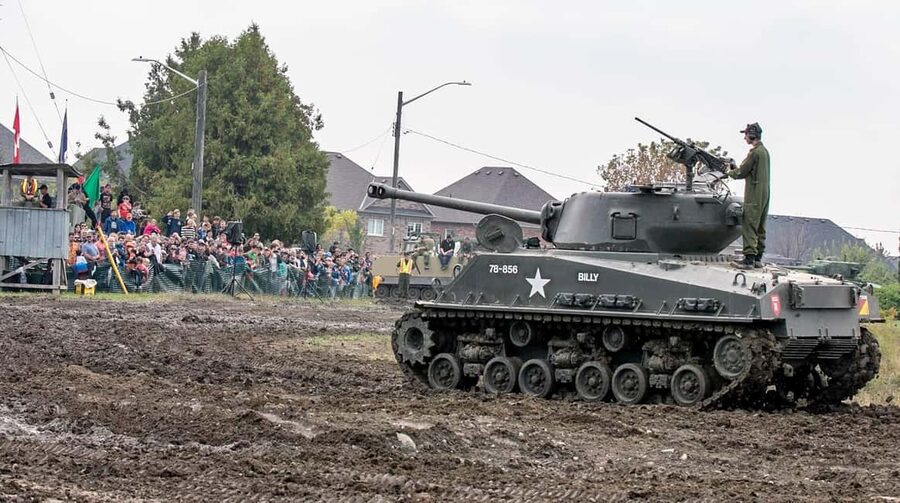
There’s also a chance to see a historical vehicle on the move. That depends on what’s happening during your visit, but the museum sets expectations that demonstrations are part of the experience when possible. If you’re aiming for that, keep a little time flexibility in your day so you’re not only rushing through galleries.
Practical tip: if you spot restoration activity, give it time. The work areas are often where explanations happen naturally. You’ll get more from asking one simple question than from trying to read everything at once.
A few more Toronto days to compare
- Museum of Illusions Admission in Toronto
★ 3.5 · 214 reviews - Toronto: Bata Shoe Museum Entrance Ticket
★ 4.7 · 133 reviews - Toronto: Royal Ontario Museum Special Exhibits Voucher
★ 4.7 · 65 reviews - Toronto: Museum of Illusions Entry Ticket
★ 4.0 · 31 reviews
Veteran-guided tours: why the explanations matter
One of the strongest parts of this experience is the chance to talk with veterans who serve as tour guides. That’s not just nice context. It’s how the museum turns metal and markings into stories with stakes.
When veterans guide you, the museum can explain not only what the vehicle was, but how crews thought about it. You might hear about training, readiness, unit life, maintenance culture, and what it meant to belong to Canada’s armoured forces. That kind of interpretation makes the museum feel less like a warehouse and more like a classroom with living memory.
In a practical sense, veteran guidance also helps you focus. With 170-plus vehicles, you could get overwhelmed. A veteran or volunteer guide can point out what’s most worth your attention, based on your interests, whether that’s how vehicles evolved, what restorations represent, or how specific equipment fits into the RCAC story.
Also, the museum’s community feel comes through: volunteers are generous with their time and willing to discuss what you see. If you like conversations, this is one of those places where one good question can turn your visit into a more personal experience.
Price and value: what $10 gets you in Oshawa
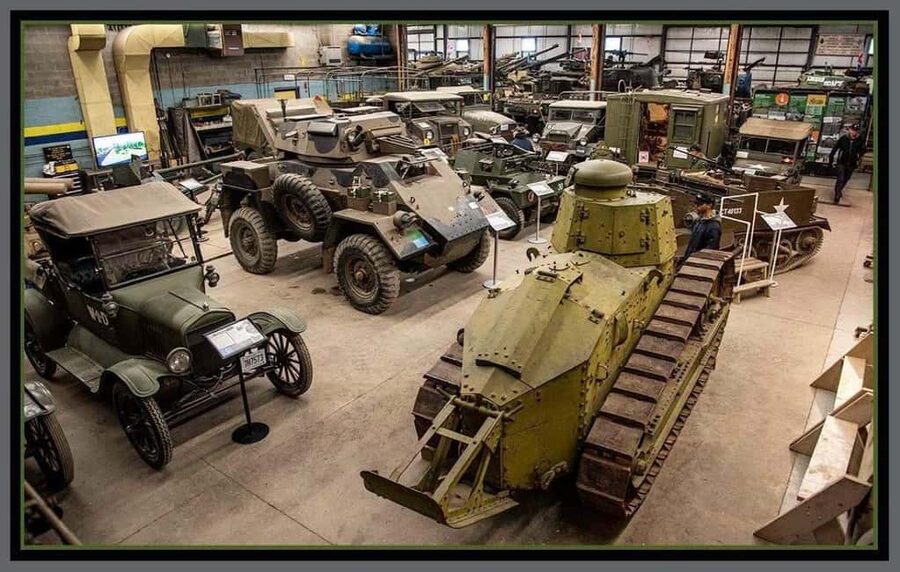
Admission is $10 per person, and for that price you’re paying for a full-day museum experience built around an unusually large operational collection. Many attractions in this category charge more, but what makes the value here feel real is the combination of three things:
1) Scale: 170-plus operational military vehicles
2) Education: permanent exhibitions tied to the RCAC and regiment history
3) Live element: active restorations, and possibly a vehicle demonstration
That mix is what turns your ticket into more than entry to a display. You’re not only observing, you’re also seeing preservation in action and hearing first-person or near-first-person context from veterans and volunteers.
One thing to factor in: food and drinks are not included. So your real cost might be slightly higher once you plan for a meal break. But that’s normal for many museums, and it’s easy to manage if you plan your day around it.
Who this museum suits best (and who might hesitate)
This is a great pick if you like any of the following:
- Canadian military history, especially armoured units and the Royal Canadian Armoured Corps
- Vehicle restoration, preservation, and how operational capability connects to history
- People who enjoy asking questions and listening to stories, not just reading labels
If you’re coming only for casual tank spotting, you may still enjoy it, especially with the workshop-style restoration areas and possible on-the-move moments. But the museum’s whole identity is armoured forces and the tank collection. So if you want a broad, general-interest history museum with no heavy vehicle focus, you might feel more satisfied elsewhere.
If you go, I’d recommend you show up with a flexible attitude. This kind of museum rewards curiosity. When you pause long enough, you often get the best explanations.
Tips to make the most of your visit
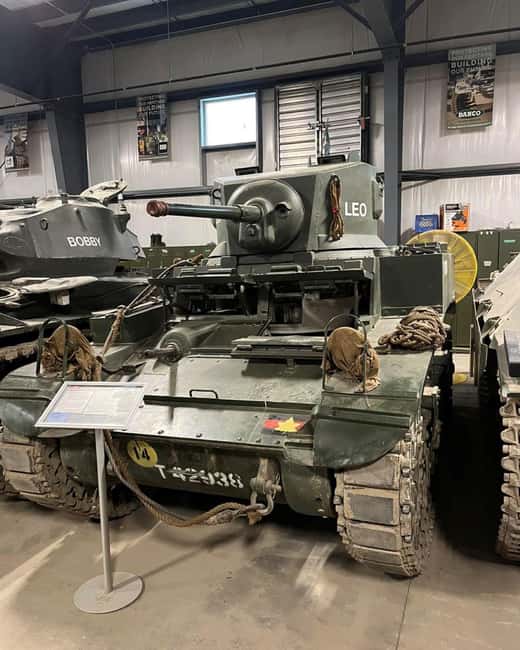
A few simple choices can make your day smoother:
- Plan to move at a comfortable pace. With such a large collection, it’s better to see fewer areas well than to sprint everywhere.
- Give extra time to restoration areas. That’s where the museum’s educational goal becomes visible in real time.
- When you hear veterans and volunteers explaining something, stay near for a minute. Their answers can connect multiple exhibits.
- If you want the possibility of a vehicle demonstration, keep a little space in your schedule so you’re not stuck rushing to the exit.
And yes, bring your “curious brain.” Tanks have a lot of details, and this museum is set up for people who like details.
Should you book Canadian Tank Museum admission?
Book it if you want a tank-and-armor experience that feels alive, not just archived. For $10, you’re getting a full day in Oshawa built around an operational collection of 170-plus vehicles, permanent exhibitions tied to the RCAC story, active restorations, and veteran-guided interpretation. That combination is the main reason this visit can surprise people who thought they were only going for one narrow interest.
Skip it only if you’re looking for a general history museum with little focus on vehicles. If armoured forces and military equipment are in your wheelhouse, this is the kind of place where one conversation can change how you see the whole collection.
FAQ
How much is admission to the Canadian Tank Museum in Oshawa?
Admission is $10 per person.
How long should I plan for the visit?
You should plan for about 1 day.
What is included with my ticket?
Your ticket includes admission to the Canadian Tank Museum and access to the museum’s permanent exhibitions.
Is food or drinks included?
No. Food and drinks are not included.
How many vehicles are in the museum’s collection?
The museum states it has over 170 operational military vehicles.
What can I see besides the exhibits?
You can view active vehicle restorations, talk with veterans who serve as tour guides, and there’s a chance you may see a historical vehicle on the move.
Recently listed around Toronto
- Toronto Waterfront and Islands Guided Bicycle Tour★ 4.9 · 80 reviews
- Toronto:2-Hour Single Kayak Rental★ 5.0 · 3 reviews
- Toronto: Toronto Raptors NBA Game Ticket at Scotiabank Arena★ 4.6 · 88 reviews
- Toronto: Winter Niagara Falls Tour with Attractions Package★ 4.7 · 43 reviews
- Toronto: Treasures of Niagara Falls Small Group Tour w/Boat★ 4.7 · 122 reviews
- Toronto: Craft Brewery Tour★ 5.0 · 8 reviews
- Toronto: Toronto Zoo Entry Ticket★ 4.1 · 68 reviews
- Toronto: Toronto Maple Leafs Game Ticket at Scotiabank Arena★ 4.6 · 43 reviews
Museums, compared.

Art Gallery of Ontario General Admission Ticket
Read our review →


Browse the lists this tour appears in