
REVIEW · MUSEUMS
Ottawa: Canadian War Museum Admission
The Canadian War Museum has a way of grabbing your attention fast. I love the regeneration-minded design and how the building itself sets the tone for war’s cost, and I love the Memorial Hall moment with the Unknown Soldier. The main drawback is simple, it takes real time, and if you only have a couple hours you will miss a lot.
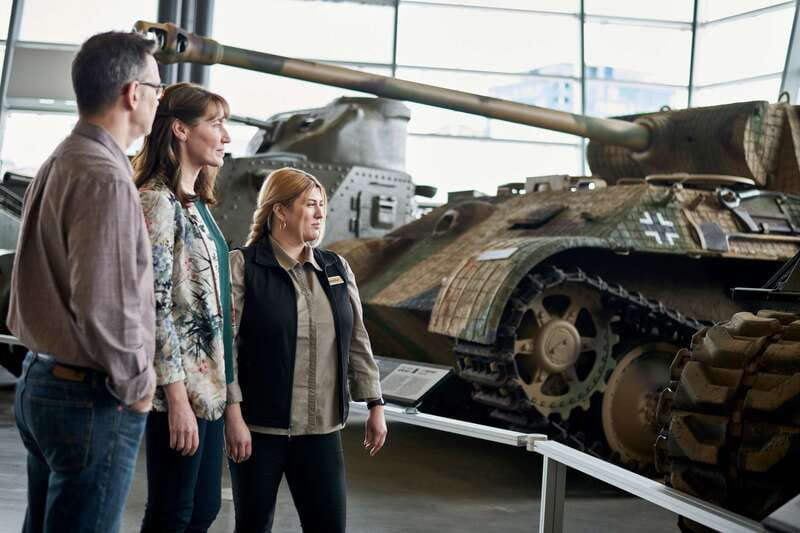
This is Canada’s national museum of military history, and it moves at both big-picture and personal levels. You’ll walk through galleries of Canadian conflicts from early wars to contemporary ones, see large vehicles and artillery, and pause in spaces meant for reflection. Plan on comfortable walking shoes, then pick what matters most to you so the day feels yours, not rushed.
In This Review
- Key reasons to plan your Ottawa day here
- The architecture sets the tone before you learn a thing
- Permanent galleries: the chronological story you can pace yourself through
- LeBreton Gallery: tanks, artillery, and vehicles that make history feel physical
- Special exhibitions: art, women in conflict zones, and In Their Own Voices
- Memorial Hall: the quiet space that hits the hardest
- Moriyama Regeneration Hall and the Royal Canadian Legion Hall of Honour
- The museum collections: rare objects, war art, and archives worth your attention
- A realistic 1-day plan: how to hit the highlights without feeling frantic
- Price and value: what $18 buys you in Ottawa
- How to save with age-based discounts
- Practicalities that make the visit smoother
- Who this museum suits best, and who might want a different day
- Should you book the Canadian War Museum admission?
Key reasons to plan your Ottawa day here

- The building is part of the exhibit, with Morse code windows spelling Lest We Forget / N’oublions jamais, plus uneven floors and rough concrete that remind you there’s a price to war
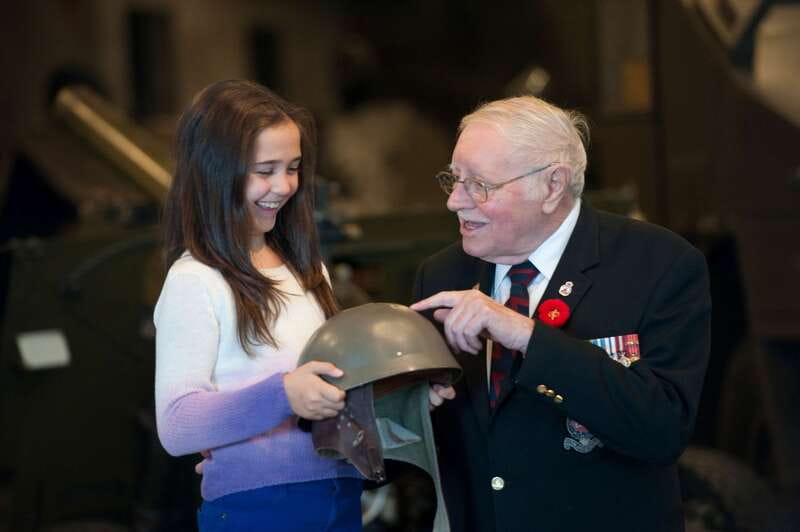
- Personal stories are everywhere, told through objects, photos, art, and presentations that make events feel human, not just historical
- LeBreton Gallery is a highlight for scale, with impressive large artillery and military vehicles you can study closely
- Special exhibitions hit emotionally, including work on conflict zones and an exhibit called In Their Own Voices
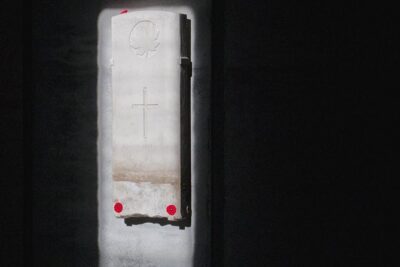
- Memorial spaces help you slow down, especially Memorial Hall and the headstone of Canada’s Unknown Soldier
- You get plenty of freedom to wander, since you can explore permanent galleries and temporary exhibits at your own pace
The architecture sets the tone before you learn a thing
I’ve visited a lot of museums where the building is just a container. This one is different. The Canadian War Museum was designed by Japanese-Canadian architect Raymond Moriyama, and the whole site leans into a concept of regeneration, meaning rebuilding and renewal after damage.
Even your first steps feel like part of the message. The museum’s exterior windows spell out Lest We Forget / N’oublions jamais in Morse code, and inside you can notice design choices that do not try to sand away the discomfort. Uneven floors and rough concrete walls acknowledge what conflict costs, without turning the place into a dark maze. It’s more like the museum is speaking to your feet and your eyes at the same time.
If you care about how architecture can teach, you’ll enjoy this layer. And if you do not, it still helps. The building cues you to treat what follows as something serious, and not just a checklist of tanks.
More Museum Tours in Ottawa
- Gatineau: Canadian Museum of History Admission
★ 4.8 · 230 reviews - Ottawa: Canadian Museum of Nature Admission
★ 4.6 · 226 reviews - Canadian War Museum Admission
★ 4.5 · 213 reviews
Permanent galleries: the chronological story you can pace yourself through
Once you move from the entrance feeling into the galleries, the museum starts doing what great national history museums do. It gives you the big storyline of Canadian military history, while still keeping the human scale.
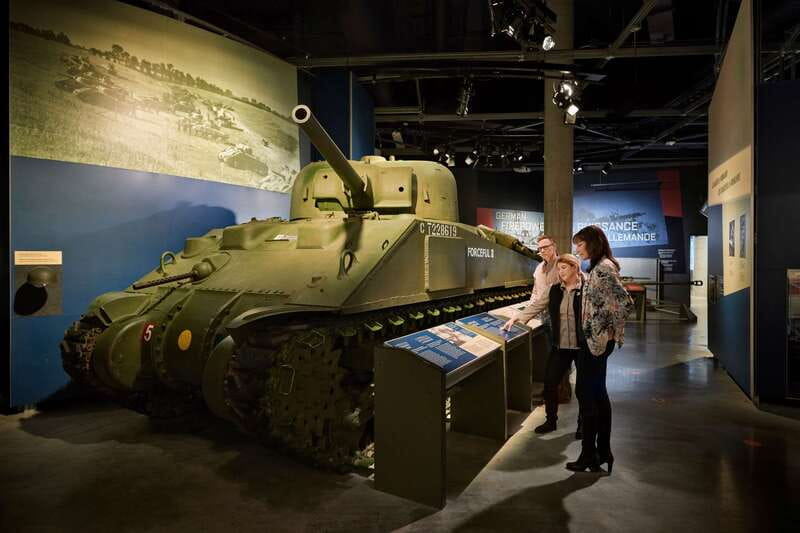
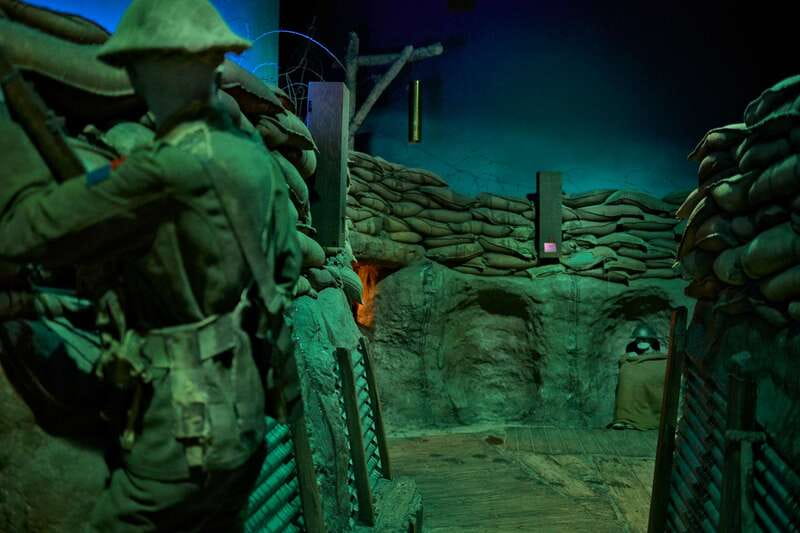
You’ll see galleries that cover early wars in Canada through more recent conflicts. The museum uses thousands of personal stories along with objects, artworks, and photographs. There are also interactive presentations and room-sized experiences, so it is not only reading and looking. You can pause, press buttons, and absorb at your speed.
Here’s the smart way to navigate if you want the day to feel manageable: don’t try to “see everything.” Instead, let the museum’s chronology act like your backbone, and then choose the branches that interest you most. If you’re into equipment, you’ll naturally gravitate toward vehicles and weapons. If you’re more into people, you’ll spend more time on names, letters, diaries, and postwar lives.
A practical note: since this is a big site, you should expect to walk. I’d also keep your comfortable-shoe rule close to your heart. Your feet will be doing their own history lesson.
LeBreton Gallery: tanks, artillery, and vehicles that make history feel physical
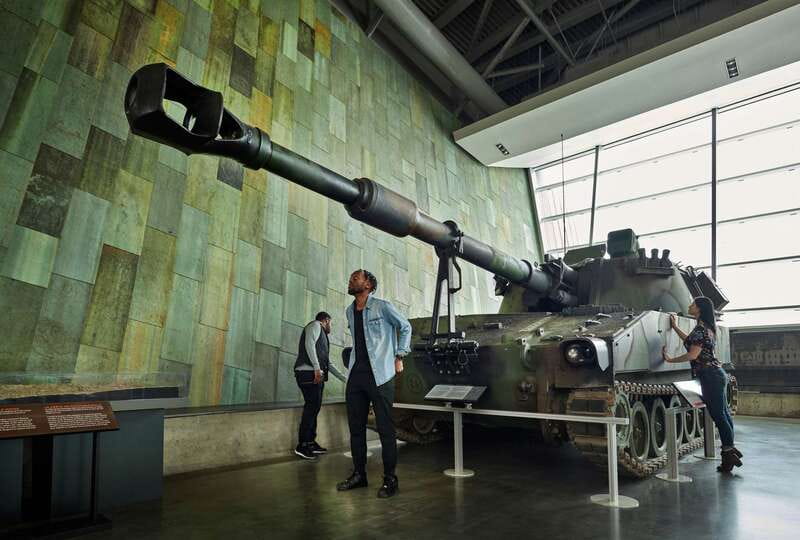
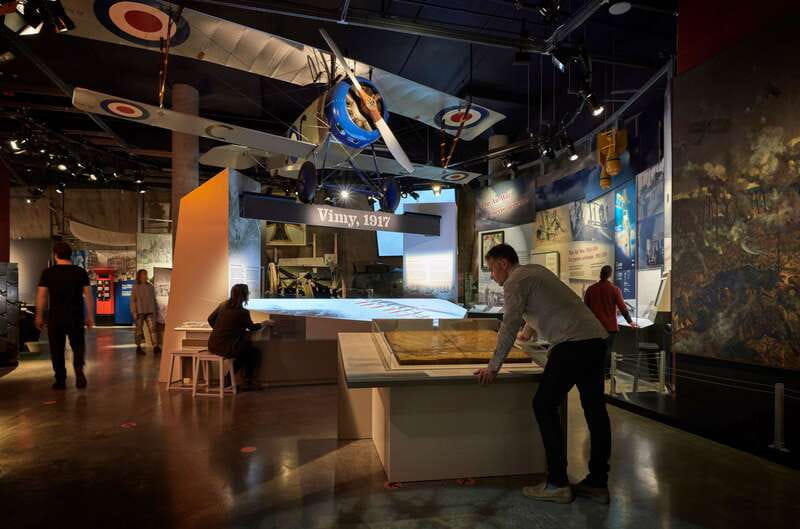
One of the biggest reasons to come here is the sheer size and variety of military hardware on display in the LeBreton Gallery. The museum has an impressive collection of large artillery and military vehicles, and that changes how you understand the exhibits.
Two things happen when you see real scale in front of you. First, you start noticing design choices you never think about from photos. Second, it clarifies what people meant when they described the effort of moving, maintaining, and using equipment in real conditions. Even if you are not a “tank person,” this section helps the museum’s stories stick.
If you love war history, this is also where you’ll likely spend the most time. Many visitors mention the vehicles as a must-see, and it’s easy to see why. The museum gives you enough space to look without feeling herded.
Special exhibitions: art, women in conflict zones, and In Their Own Voices
In addition to the permanent galleries, the museum offers temporary exhibitions. The range matters here because it prevents the day from becoming a single-track story.
You might encounter exhibitions connected to major wars, including the First and Second World Wars. You might also see thought-provoking displays on art produced by women in conflict zones. That’s important because it expands what “war history” can mean. It is not only about battles and uniforms, it’s also about expression, survival, and how people record what they live through.
A standout temporary exhibit name you may come across is In Their Own Voices. One of the strongest parts of this museum experience is how it deals with what happens after the fighting ends. When an exhibit focuses on postwar and post-service life, you feel the continuity between history and the present.
For me, this is where the museum earns its emotional weight. You are still learning facts, but you’re also watching how lives change.
A few more Ottawa days to compare
- Ottawa: National Gallery of Canada Admission
★ 4.7 · 9 reviews - Ghosts of the Bytown Museum
★ 4.4 · 9 reviews - Toronto: Royal Ontario Museum Admission Ticket
★ 4.6 · 1,237 reviews - Royal Ontario Museum Admission
★ 4.5 · 411 reviews
Memorial Hall: the quiet space that hits the hardest
If you only remember one moment from the day, make it Memorial Hall. This is one of the spaces designed specifically for quiet reflection on the cost of war.
The headliner is the headstone of Canada’s Unknown Soldier. Standing in the presence of that memorial is powerful in a way that surprises even people who think they are “ready for it.” You do not need to be a military-history expert to feel it. The museum frames the moment as a shared act of remembrance.
How to do this well: slow down. Don’t treat it like a photo stop. Let your eyes adjust and spend time reading. The space encourages you to reflect, and it will land more if you let it.
It’s also a helpful contrast. After you’ve spent time seeing equipment, maps, and stories of conflict, Memorial Hall gives you a place to absorb the human meaning behind it.
Moriyama Regeneration Hall and the Royal Canadian Legion Hall of Honour
The museum keeps balancing the hard parts with spaces built around hope and acknowledgement.
Moriyama Regeneration Hall ties back to that same regeneration concept you noticed at the start. It is part of how the museum refuses to treat war only as ruin. It acknowledges damage while still pointing toward renewal.
Then there’s the Royal Canadian Legion Hall of Honour, another setting that invites reflection. Together, these halls help the museum avoid a common trap in military museums, which is ending the day on only anger or only grief. Here, you can come away thinking about memory, service, and the work of rebuilding.
If you like your history with meaning, these sections are worth your time even if you are not planning to linger everywhere else.
The museum collections: rare objects, war art, and archives worth your attention
Beyond galleries and exhibits, the museum’s collections are a big part of what makes this day feel substantial.
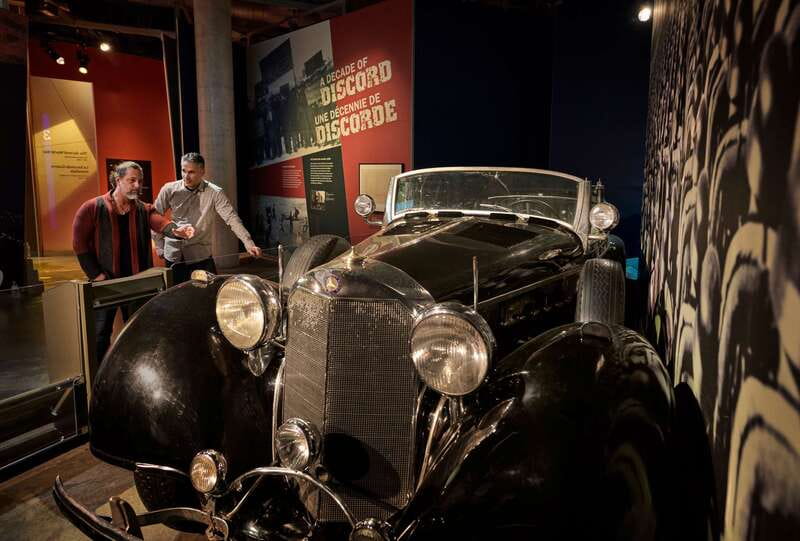
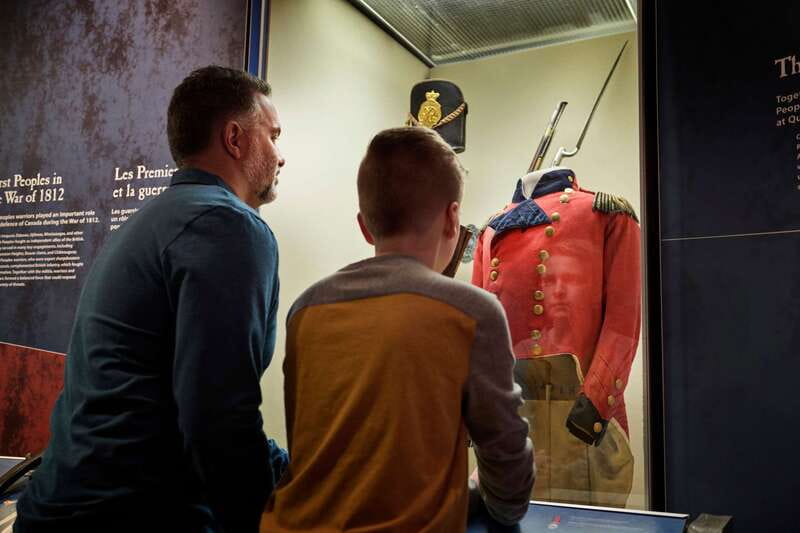
The collection includes rare vehicles, artillery, uniforms, medals, small arms, and rare books and archives. That means you can see not just equipment and images, but also the material culture of war, and sometimes the scholarship behind it.
One piece worth flagging is the Beaverbrook Collection of War Art. If you enjoy artwork that treats conflict seriously, this is the kind of detail that elevates the visit beyond basic museum sightseeing. War art can be honest, uneasy, and sometimes deeply human. When a museum pairs that with historical context, the experience clicks.
A realistic 1-day plan: how to hit the highlights without feeling frantic
This museum is big enough that your “best plan” depends on your time. The most useful approach is to structure your day around priorities, then accept that you will not see every last label.
Here are two timing styles that work well with a museum like this:
If you have half a day to spare
- Focus on the main chronological galleries.
- Spend concentrated time in the LeBreton Gallery, since vehicle scale is hard to fake.
- Choose one memorial moment, Memorial Hall, and do it slowly.
- Save temporary exhibitions for whatever looks most directly aligned with your interests.
If you’re here for the full day
- Start with the architecture and early galleries so the regeneration theme makes sense as you go.
- Work your way through the main permanent sections without trying to read everything word for word.
- Add time for at least one temporary exhibition, like In Their Own Voices if it’s on.
- Put Memorial Hall and the quiet spaces on your schedule like appointments. Do not leave them for the very end when fatigue sets in.
Also, a small but practical detail: the admission includes a self-serve coat check, which helps if you come in with a jacket or bag. And there’s a multilingual museum guide included, which can be useful when you want quick clarity without getting stuck in translation puzzles.
Food and drinks are not included, so I plan for meals around the museum visit. I’d rather think about lunch timing than get hungry in the middle of the most reflective parts.
Price and value: what $18 buys you in Ottawa
At $18 per person for admission, this is one of those museum experiences where value comes from depth and variety, not just price.
You’re paying for:
- access to both permanent galleries and special exhibitions
- access to the museum’s major memorial spaces
- vehicle displays like the LeBreton Gallery
- and included interpretive support via a multilingual guide
If you’re the type who likes to spend time reading, looking, and moving slowly from one section to the next, the cost per hour gets very reasonable fast. If you’re the type who only wants the highlights, you still get a full national-museum experience, but you have to choose.
It also helps that the museum is a one-day visit concept. You do not need to cram multiple days of passes or plan around timed shows based on what’s included with admission.
How to save with age-based discounts
There are specific ways to lower the price during the Canada Strong Pass season (December 12, 2025, to January 15, 2026). If you fit the age brackets, it can be a big deal:
- children and youth aged 17 and under get free general admission
- young adults aged 18 to 24 get 50% off general admission fees
- proof of age may be required, and it does not apply to group bookings, summer camps, or birthday parties
If you’re traveling with teens or young adults, this is worth checking before you buy.
Practicalities that make the visit smoother
Here’s what to know so your day runs clean:
- Location: 1 Vimy Place, Ottawa. It’s easy to reach from downtown on foot, bicycle, public transit, or car.
- Where to go inside: once at the museum, go directly to the exhibition access point. You do not need to go to the Museum Box Office.
- Bring: comfortable shoes.
- Not allowed: smoking, food and drinks, and pets (assistance dogs allowed).
- Included: admission, access to permanent and special exhibitions, multilingual museum guide, and self-serve coat check.
One more real-world tip from experience with big museums: some exhibits can benefit from better lighting. It can be a minor frustration if you expect every label to be instantly readable. If you wear glasses, have a lens-cleaning wipe handy. If you’re sensitive to dim areas, plan extra time at sections you find hardest to read.
Who this museum suits best, and who might want a different day
This is a strong fit if you:
- want national-level military history with both facts and personal stories
- like seeing artifacts in context, including art and archives
- want memorial experiences built into the visit, not tacked on at the end
- enjoy vehicle and artillery displays where scale matters
It’s also a great family option. One visiting family described bringing kids ages 8 and 10 and being surprised by how much there was to see. The museum can handle different attention spans because it mixes large objects, readable stories, and interactive elements.
You might want a different Ottawa plan if:
- you have very limited time and only want a quick walk-through
- you hate memorial spaces and prefer purely entertainment-based attractions
Should you book the Canadian War Museum admission?
I’d book it if you want a serious Ottawa experience that doesn’t feel like a stuffy lecture. At $18, you get permanent galleries, special exhibitions, major memorial spaces, and a standout vehicle and artillery collection. The museum also does something rare, it gives you both the hard reality of conflict and a built-in space for remembrance.
If you’re short on time, still consider it, but go in with priorities: Memorial Hall, the LeBreton Gallery, and one special exhibit or key gallery. That way you leave with the emotional and physical highlights, not a half-seen fog.
If you have the time for a full day, this place rewards you. Bring comfortable shoes, slow down for the quiet parts, and let the architecture do some of the explaining before the exhibits start talking.
Recently listed around Ottawa
- Ottawa: Taste of the ByWard Market Food Tour★ 4.9 · 50 reviews
- Swim and Bike River House/Rockcliffe★ 5.0 · 3 reviews
- Ottawa: Ecological Reserve Kayak Tour with Turtle Sightings★ 5.0 · 54 reviews
- Ottawa: Small Group Night Tour With River Cruise★ 4.2 · 54 reviews
- Ottawa: Private Parc Omega Wildlife Safari – Winter Magic★ 5.0 · 64 reviews
- Ottawa: Small-Group Walking Tour with Boat Cruise★ 3.8 · 5 reviews
- Ottawa: Ottawa Senators Ice Hockey Game Ticket★ 4.7 · 30 reviews
- Ottawa: Private Walking Tour with a Local★ 4.5 · 80 reviews
Museums, compared.

Art Gallery of Ontario General Admission Ticket
Read our review →


Browse the lists this tour appears in