
REVIEW · CYCLING TOURS
Montreal: City Architecture Guided Bike Tour
Montreal’s architecture rolls by on wheels. This 3-hour guided ride turns the city into a living story, mixing Old Montreal waterfront stops with modern icons, then adding the wow factor of a real Formula 1 racetrack. I love how the route keeps you moving on two wheels while the guide ties buildings to the river and the city’s growth. I also like that you get real support, a helmet, a lock, and a repair kit, plus food tasting along the way. One possible drawback: you will spend time on open stretches, including bridge and island riding, so wind and heat can make the ride feel longer.
If you upgrade to an e-bike, you get extra help on bridges and routes where Montreal likes to give you headwinds. You also get the practical bonus of keeping the bike for the rest of your day until closing time, so the tour can kick-start your own exploring. The main thing to watch is the e-bike rules for teens: age 14+ only, and ages 14 to 17 require the right moped or scooter permit.
In This Review
- Key points to know before you pedal
- Why This Montreal Architecture Bike Tour Works Better Than Looking From the Sidewalk
- Price, Bike Quality, and What Your Money Is Really Buying
- Meeting Up and Getting Ready to Ride (Without Losing Time)
- Old Port and Pointe-à-Callière, Where Montreal’s First Big Story Begins
- Atwater Market and the Street-Level Energy of Day-to-Day Montreal
- From Industrial Waterways Toward Modern Design Around Habitat 67
- Parc Jean-Drapeau and St. Lawrence Views That Make the Whole Route Feel Coherent
- The Formula 1 Track Stop on Notre-Dame Island, The Moment You Will Remember
- Sainte-Hélène’s Island, Notre-Dame Island, and the Jacques Cartier Bridge Approach
- E-Bike Upgrade: Permits, Power, and Real Comfort Expectations
- Food Tasting, Complimentary Drink, and How to Pace Yourself
- What to Bring, What to Know About Age, and Who Should Skip This
- Small Tips That Make a Big Difference on a City Bike Tour
- Should You Book This Montreal Architecture Bike Tour?
- FAQ
- How long is the Montreal City Architecture Guided Bike Tour?
- How much does it cost?
- What’s included with the ticket?
- Can I upgrade to an e-bike, and what are the age rules?
- Is the tour suitable for kids?
- What languages are the tours offered in?
- What should I bring, and is free cancellation available?
Key points to know before you pedal
- Formula 1 track access on Notre-Dame Island, on a circuit that feels very real
- Three building eras across the ride, from 1800s to early 1900s to modern-day Montreal
- Big river views as you cross the St. Lawrence and cycle past parkland
- Professional, certified guide commentary in English or French
- Optional e-bike upgrade, plus a useful gear kit and helmet
- Food tasting and a complimentary drink, so the tour isn’t all scenery
Why This Montreal Architecture Bike Tour Works Better Than Looking From the Sidewalk
Montreal is a city of layers, and walking alone can make those layers feel random. On this tour, you get a guided line through time. You cycle the waterfront, hit architecture stops tied to specific periods, then connect it all with the St. Lawrence River, which is basically the city’s main character.
I particularly like that the guide’s explanations are built for motion. You are not standing in one place too long. Instead, you roll between neighborhoods and landmarks, then pause where it makes sense: where a building style, a port-era structure, or a modern design decision becomes clear in context. That pacing helps you notice the details that matter, like how Montreal grew around water and industry.
The other reason this tour clicks is the mix of planning and freedom. The paid portion gives you structure, commentary, and included food and drinks. But you still end with a bike in your hands for later, so you can extend the day on your own terms.
More Bike Tours in Montreal
- Montreal eBike Sightseeing Tour
★ 5.0 · 573 reviews - Montreal: E-Bike Sightseeing Tour
★ 4.8 · 365 reviews - Non Touristy Pink Bike Tour by Spade & Palacio
★ 5.0 · 335 reviews
Price, Bike Quality, and What Your Money Is Really Buying
At $68 per person for a 3-hour guided experience, the value comes from what is wrapped into the ticket. You are not just paying for a slideshow tour. You are paying for bike or e-bike hire, a helmet, a lock, and a repair kit. You also get bottled water, a complimentary beverage, and a food tasting.
What makes that feel fair is the setting. You are seeing Old Port and major riverfront landmarks, then riding out onto islands and crossing big infrastructure, including Jacques Cartier Bridge areas and the Notre-Dame Island track experience. Those are the kinds of Montreal highlights that are hard to piece together smoothly on your own without spending time figuring out routes, bike logistics, and safe timing.
If you are considering the e-bike upgrade, think of it as buying back energy, not just comfort. That extra assist matters most when you hit wind, bridge sections, and longer stretches between stops. (If your group includes riders with different fitness levels, e-bikes also help everyone stay together without turning the pace into a workout contest.)
Meeting Up and Getting Ready to Ride (Without Losing Time)
The tour starts and ends with bike pickup at RentaBikeNow for Store #264 at 27 Rue de la Commune E. That matters because it puts you close to central Old Montreal area access and makes the bike pickup feel straightforward. Bring your passport or ID card, since you are told to have it on you.
Plan to arrive with your legs and lungs ready for a steady pace. This is a guided bike ride, not a slow parade. Even when there are short sightseeing pauses, you are cycling between locations, including areas where you will want both hands and steady control.
The included helmet and lock reduce hassle. The repair kit is a small detail, but it is the difference between a minor snag and a ruined outing. And because the bike is yours to use for the rest of your day until closing time, you should treat the gear as part of your wider Montreal plan.
Old Port and Pointe-à-Callière, Where Montreal’s First Big Story Begins
Your ride begins with a look at Old Montreal, then moves into the museum area around Pointe-à-Callière. This is where Montreal’s earliest urban identity comes into focus: the port world, the city’s founding-era setting, and the kind of stone-and-street layout you rarely understand until you see it from the street level and the waterfront angle.
What you are really doing here is learning how Montreal became Montreal. The city’s growth is tied to the water, and the guide’s commentary helps connect the dots between architecture and purpose, not just style. You also get that early taste of the ride’s character, short stops that give you a mental snapshot before you roll onward.
One drawback to note: Old Montreal and museum-adjacent areas can involve turns and changing traffic conditions. You will be fine if you ride confidently, but if you are new to biking in the city, go in with calm expectations and keep your attention on the guide and the group.
A few more Montreal days to compare
- 3 Hour Montreal City Bike Tour with Wine or Beer (AM & PM)
★ 5.0 · 332 reviews - Montreal: Guided Bike Tour of City, Old Port & Plateau
★ 4.8 · 331 reviews - Bike / E-bike Tour : Downtown, Old Montreal, Waterfront by Fitz
★ 5.0 · 299 reviews - Bike / E-bike tour : Plateau, Mile-End, Jean-Talon Market by Fitz
★ 5.0 · 269 reviews
Atwater Market and the Street-Level Energy of Day-to-Day Montreal
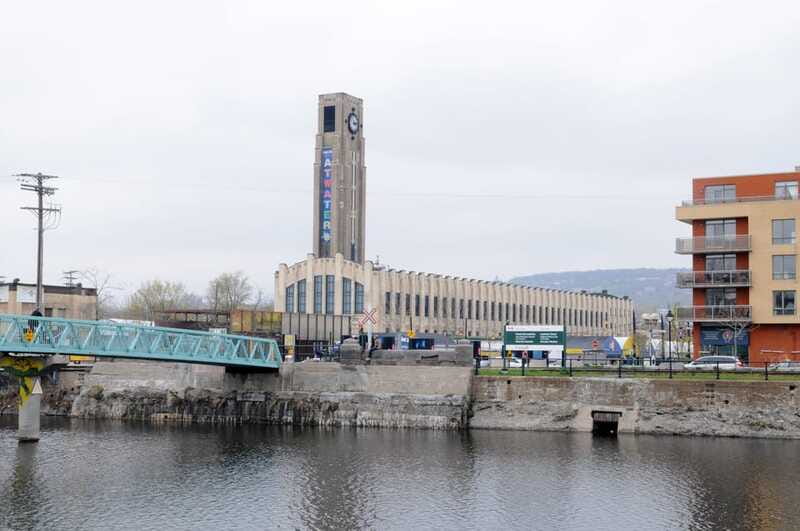
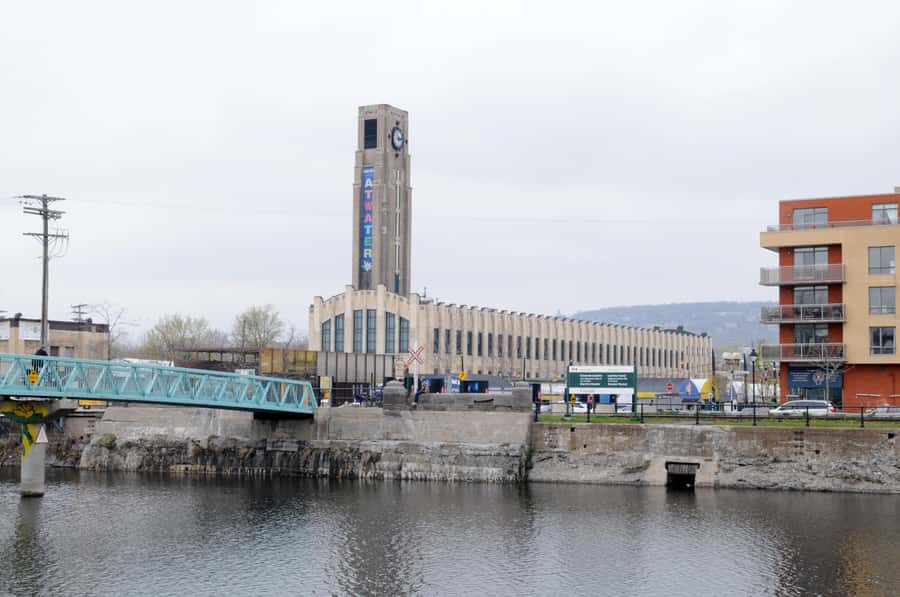
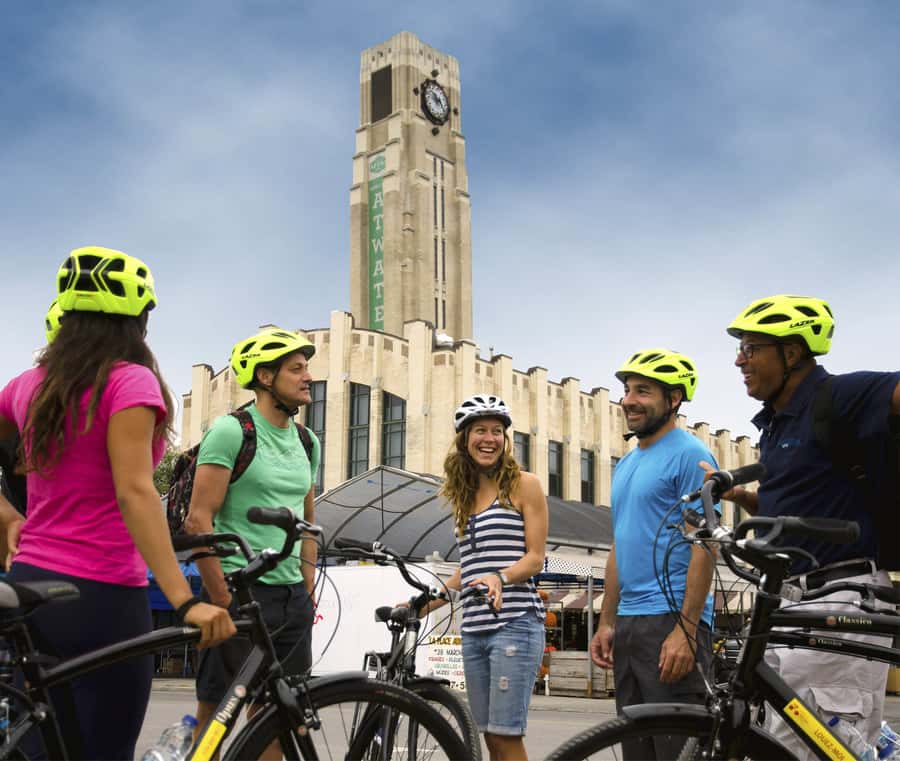
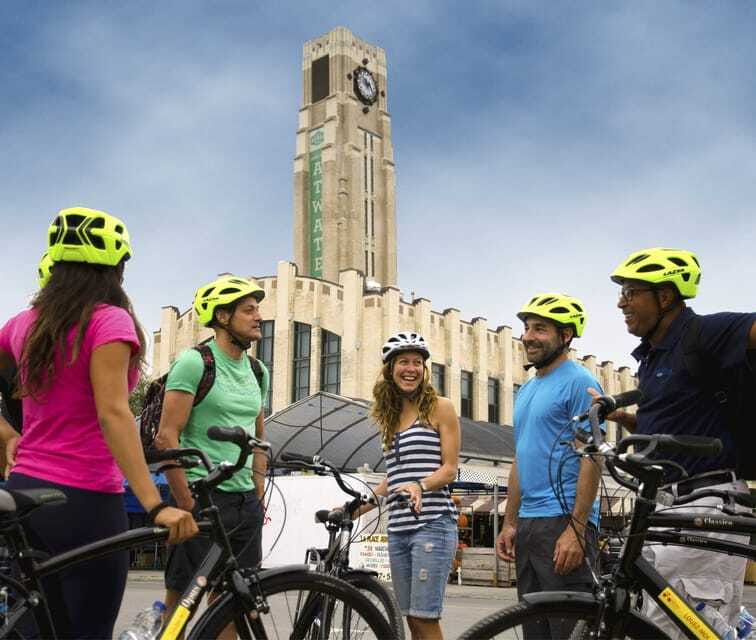
Next comes a stop around Atwater Market. Even if you only spend a few minutes there, it gives you a sense of Montreal as a living food-and-neighborhood city, not just a monument museum. This is a good counterweight to the architecture stops, because markets show how people actually use urban spaces.
Atwater is also a helpful waypoint in the tour logic. It breaks up the story so it does not feel like only ports and big buildings. You get the sense that Montreal’s growth includes daily commerce and neighborhood life, not just major projects.
Food is included, and the complimentary beverage plus bottled water mean you are not trying to run on curiosity alone. That is a subtle value point. Long sightseeing days are often what you pay for later in energy and snack costs.
From Industrial Waterways Toward Modern Design Around Habitat 67
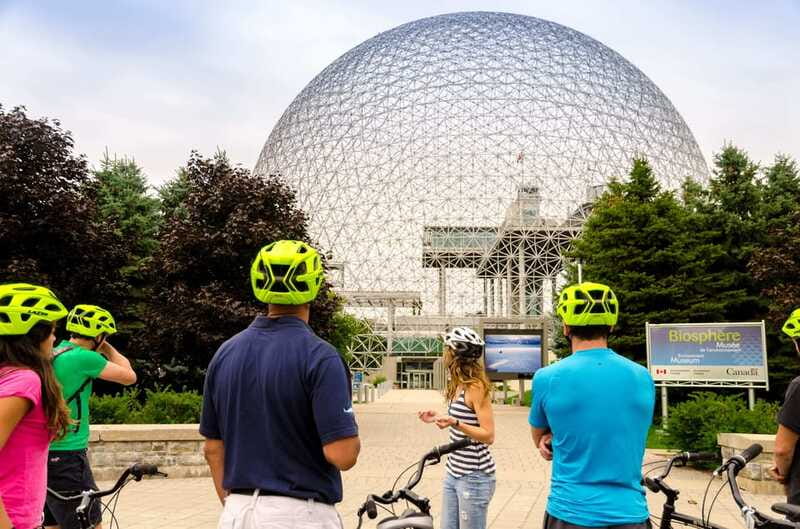
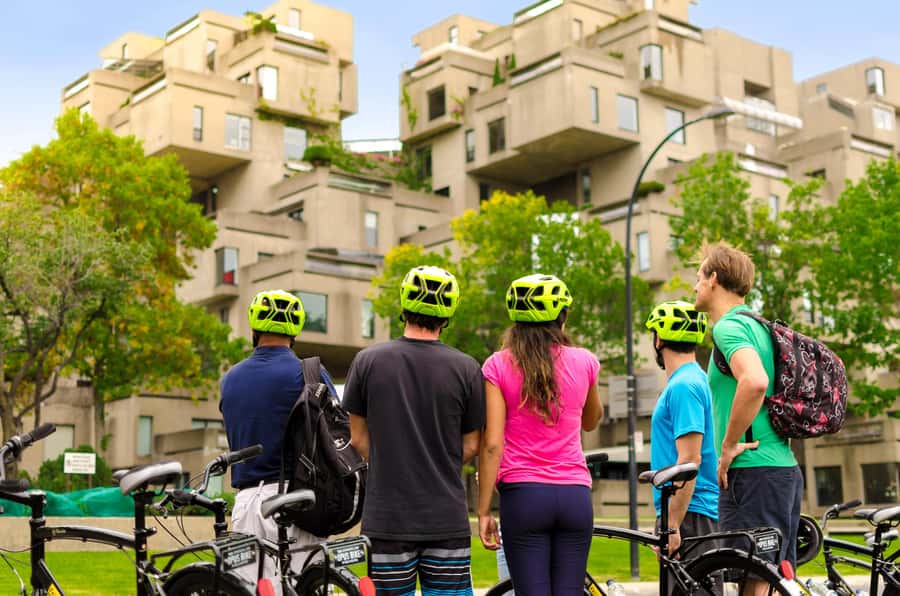
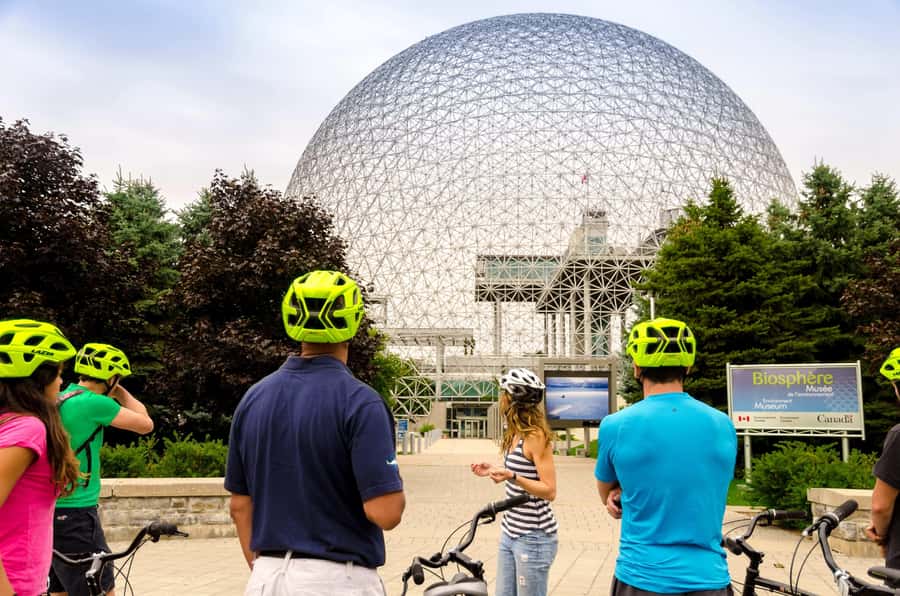
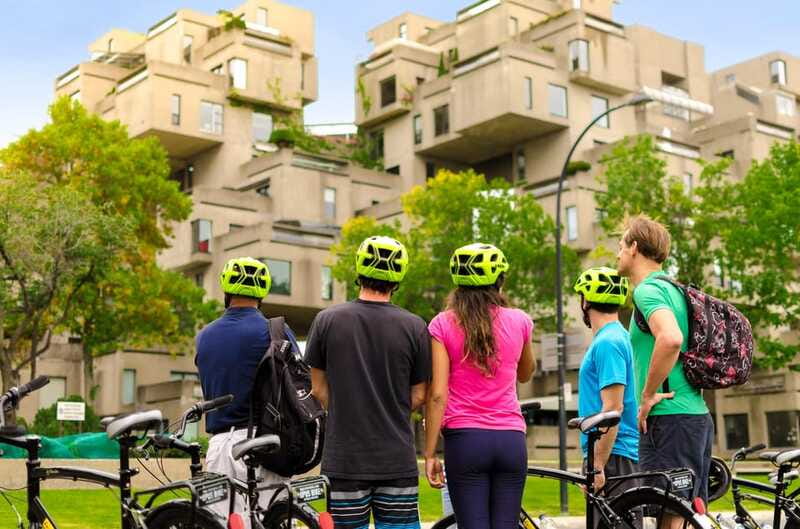
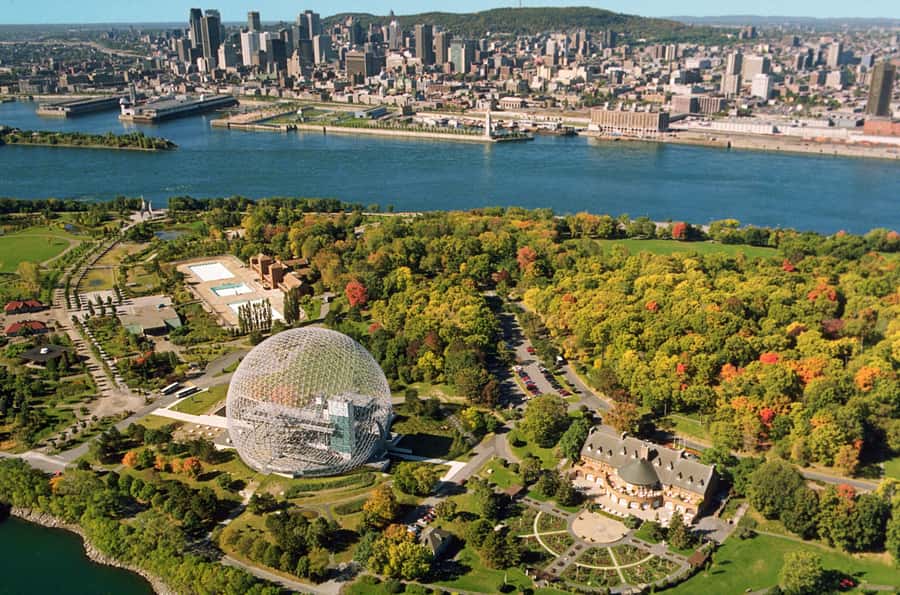
As the ride continues, the tour shifts toward some of Montreal’s best-known modern landmarks, including Habitat 67 and the Biosphere area. This is where your architecture stops stop being about the past and start feeling like design intent.
Habitat 67 is the kind of building that you need to see from the right angle to understand it. On a bike tour, you naturally approach it from street-level circulation paths, which helps you notice how it sits with the park space and water-adjacent setting. The guide’s commentary across the modern-day era helps you connect it back to earlier patterns, so the contrast between old and new feels like an evolving conversation rather than a sudden jump.
The Biosphere stop also works because it is an iconic structure you can recognize instantly, even if you only know it by reputation. In this context, it feels less like a standalone attraction and more like part of Montreal’s mid-to-late 20th century vision.
If you are someone who likes photos, this is a strong stretch. Modern Montreal architecture tends to reward angles and movement, and the bike format gets you that without needing to stand and wait for the perfect lighting.
Parc Jean-Drapeau and St. Lawrence Views That Make the Whole Route Feel Coherent
Parc Jean-Drapeau is where the ride connects into the larger geography of the city. You get parks and open space, plus the sense of cycling along Montreal’s major waterfront identity. This is also a section where you start noticing how the city’s layout changes once you are on the island side of the river.
Then you cross toward the areas that frame big views of the St. Lawrence. The guide emphasizes the river’s role, and it makes sense as you ride, because the water is not background. It is the divider, the connector, and the reason those neighborhoods exist where they do.
A practical note: open sections can be windy. If you have a light jacket, bring it. If you plan to wear sunglasses, consider bringing the kind that stay put on a bike.
The Formula 1 Track Stop on Notre-Dame Island, The Moment You Will Remember
This is the headline, and it lives up to the hype. You ride on a real Formula 1 racetrack on Notre-Dame Island, inside a setting that feels unmistakably built for speed and lines.
Even if you are not a racing fan, this stop works because it is novelty plus context. The track is not just a photo-op. It is part of the story of Parc Jean-Drapeau and Notre-Dame Island as a major Montreal staging area, where the city creates big public experiences in big open space.
You also get a sense of how Montreal can mix something futuristic-feeling like that track with the city’s older, working waterfront. That contrast is exactly what makes architecture tours more interesting than plain sightseeing.
Sainte-Hélène’s Island, Notre-Dame Island, and the Jacques Cartier Bridge Approach
After the track experience, the tour continues through island riding, including Sainte-Hélène’s Island, before wrapping back toward central Montreal. This section gives you more of the river rhythm, less intense than the track moment, but still visually strong.
Cycling around islands also changes your pace mentally. You are not weaving through city blocks as much. Instead, you are riding through calmer stretches with big sightlines, which makes the stops feel more purposeful. When you pause again, it feels like you are calibrating your understanding of how Montreal is arranged around water.
The route also includes Jacques Cartier Bridge, where the urban and structural story becomes clear. Bridges are architecture you feel, not just see. And because you are on a guided ride, you are not guessing how to time it or where to safely position yourself for views.
E-Bike Upgrade: Permits, Power, and Real Comfort Expectations
If you choose the e-bike, you get extra assistance, which can make the ride smoother and help you keep the group pace without sprinting. That can matter a lot if you are traveling with mixed riding abilities or if you want energy left for the rest of your day.
Just don’t ignore the rules. E-bike minimum age is 14. For ages 14 to 17, a moped or scooter permit is required. If you are 18 or older, no permit is required based on the info provided.
Also, an honest heads-up: e-bikes can feel heavier and more substantial than standard bikes. One practical complaint that comes up is the weight of the e-bike itself and the lock. Another is the lack of a dedicated phone holder on the handlebars. If you rely on your phone for maps or photos, bring a small mount or plan to secure it safely using your own setup.
You should still expect an enjoyable ride. The best part of the e-bike upgrade is that it protects your attention for the guide’s commentary, not just your legs.
Food Tasting, Complimentary Drink, and How to Pace Yourself
This tour includes a food tasting, plus a complimentary beverage and bottled water. That is a smart combination for a 3-hour experience because it helps you avoid the classic problem of cycling all morning, then getting snacky at the worst possible time.
I recommend eating the tasting when offered, not later. It keeps your energy steady while you ride. And since you get water in the package, you can focus on hydration rather than hunting down a bottle mid-ride.
If you have dietary restrictions, you might want to check in ahead of time, since the specific tasting items are not listed here. The guide and bike shop staff are the best place to confirm details once you know what you can and cannot eat.
What to Bring, What to Know About Age, and Who Should Skip This
You should bring a passport or ID card. That is explicitly part of the experience.
Age limits are clear: the minimum age is 13, and children under 13 are not suitable. For e-bikes, the minimum age is 14 and the permit rules apply for ages 14 to 17.
So who is this best for? It is great for adults and older teens who want architecture explanations with real movement, plus a big Montreal highlight like the Formula 1 track stop. If you enjoy guided storytelling, you will likely love how the guide connects periods of the city’s building to specific places along the river.
Who might skip it? If you dislike cycling in traffic-adjacent areas, or if you are not comfortable riding for 3 hours with short stops, consider a walking option instead. Also, if weather conditions are extreme, you might find island and bridge sections less comfortable.
Small Tips That Make a Big Difference on a City Bike Tour
A few practical things make the tour more enjoyable.
First, dress for wind. Montreal can change fast, and open river areas will feel cooler. Second, keep your phone accessible but secure. If your bike setup does not include a phone mount, plan another way to avoid juggling it while riding. Third, arrive with a calm mindset. Even with stops that last around 10 minutes, the overall pace stays active.
Finally, take the guide’s stops seriously. The architecture is the point, but the value is in the connections the guide makes between eras and settings. If you treat each pause like a quick lesson, the whole ride adds up fast.
Should You Book This Montreal Architecture Bike Tour?
Yes, if you want Montreal architecture with motion, not just motion with photos. This tour is strong on two things that matter: a guide who helps you read the city, and a route that pairs major landmarks with clear architectural periods. The Formula 1 track moment is worth the price all by itself, but the real win is that it sits inside a coherent story about Montreal and the St. Lawrence River.
I would book it if you also want a bike for later. Keeping the bike until closing time means the tour can be the start of your day, not the end. You can take what you learned and ride it further on your own route.
I’d hesitate only if you are worried about windy bridge or island sections, or if you need a very leisurely pace. For most people who can ride a bike comfortably and enjoy guided context, this is one of the more memorable ways to see Montreal fast without feeling rushed.
FAQ
How long is the Montreal City Architecture Guided Bike Tour?
The tour duration is 3 hours.
How much does it cost?
It costs $68 per person.
What’s included with the ticket?
You get the 3-hour guided bike tour, a local professional guide, helmet, lock, and repair kit, complimentary beverage, bottled water, food tasting, and bike or e-bike hire.
Can I upgrade to an e-bike, and what are the age rules?
E-bike upgrade is available. The minimum age for e-bikes is 14. Ages 14 to 17 require a moped or scooter permit. Ages 18 and up do not require a permit.
Is the tour suitable for kids?
No, it is not suitable for children under 13. The minimum age is 13.
What languages are the tours offered in?
The tour guide provides commentary in English and/or French.
What should I bring, and is free cancellation available?
Bring a passport or ID card. Free cancellation is available if you cancel up to 24 hours in advance for a full refund.
Recently listed around Montreal
- Montreal: 3-Day Toronto, Niagara Falls, Thousand Islands★ 4.7 · 5 reviews
- Old Montréal Small-Group Christmas Tour★ 4.4 · 39 reviews
- Sherbrooke: Nordic Spa Thermal Experience★ 4.7 · 9 reviews
- Ottawa: Helicopter Ride with Live Commentary★ 5.0 · 130 reviews
- From Montreal: Quebec City Day Trip with Ice Hotel Entry★ 4.8 · 126 reviews
- Port of Montreal Glass Tower Entry★ 4.4 · 129 reviews
- Paranormal Investigation – Old Sainte Antoine Cemetery★ 3.5 · 3 reviews
- Outdoor mini golf in Montreal★ 4.9 · 13 reviews
Cycling Tours, compared.

The Stanley Park Bicycle Tour by Cycle City Tours
Read our review →
Browse the lists this tour appears in