
REVIEW · CYCLING TOURS
Toronto: Heart of Downtown 3.5-Hour Bike Tour
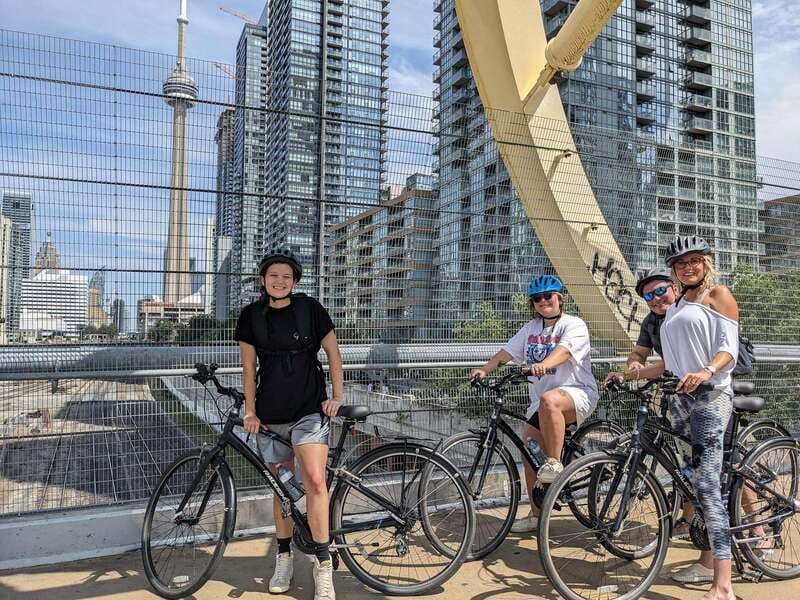
Bike lanes make downtown Toronto feel doable. This 3.5-hour tour keeps the motion easy and beginner-friendly, with guides such as Carlos and Boxy steering you safely while tossing in entertaining tales from the city’s past, present, and future. I love that you get a true walk-and-look level of sightseeing time, not just fast photo stops.
The main tradeoff is that you cover a lot of ground in 210 minutes, so it can feel a bit time-crunched at your favorite neighborhoods. You will likely want to plan a second visit after the tour, especially around places like St. Lawrence Market and Kensington Market.
In This Review
- Key highlights at a glance
- Why this downtown Toronto bike tour is such a smart intro
- Meeting near Dundas, and how to start without stress
- The safety mindset you want on a downtown bike tour
- CN Tower to Union Station: the downtown “big picture” section
- Chinatown and Kensington Market, plus Eaton’s Centre and Dundas Square
- Queen Street West, AGO, and art stops that feel like a real walking tour
- Hockey Hall of Fame, Massey Hall, Rogers Centre, and Roundhouse Park
- City Hall to St. Lawrence Market, with iconic corners like Flatiron and St. James
- Harbourfront, the lake edge, and ending near Sugar Beach
- The Entertainment District finish, and how to use it to plan your next days
- What’s included, and how the 3.5 hours usually feels
- Who should book this Toronto Heart of Downtown bike tour
- Should you book this Toronto downtown bike tour?
- FAQ
- How long is the Toronto Heart of Downtown bike tour?
- What’s included with the ticket price?
- Where do I meet the group?
- What languages are the live guides available in?
- Is the tour suitable for beginners?
- What should I bring or wear for the ride?
Key highlights at a glance
- A guided bike route through Toronto’s core with big landmarks like CN Tower, Union Station, and City Hall
- Safety-first riding on quiet streets, park paths, and bike lanes, with helmets mandatory
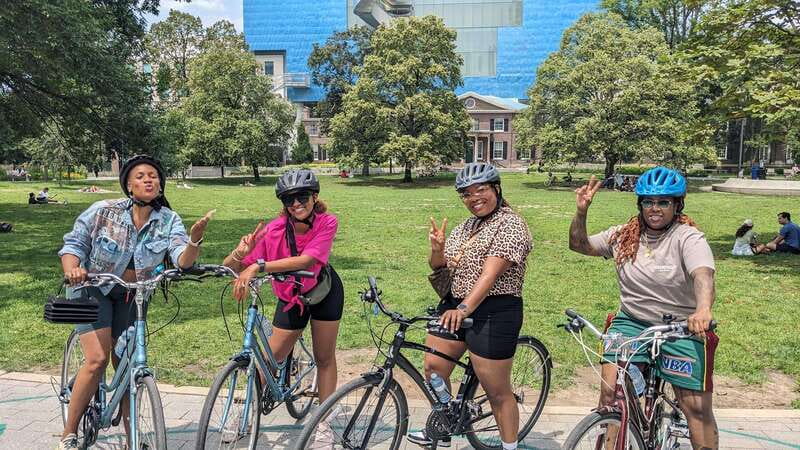
- Photo-friendly stops where guides help you get memorable shots at landmarks
- Market and neighborhood context in Chinatown and Kensington Market, not just downtown towers
- Lake access moments with Harbourfront views and time near Sugar Beach
Why this downtown Toronto bike tour is such a smart intro
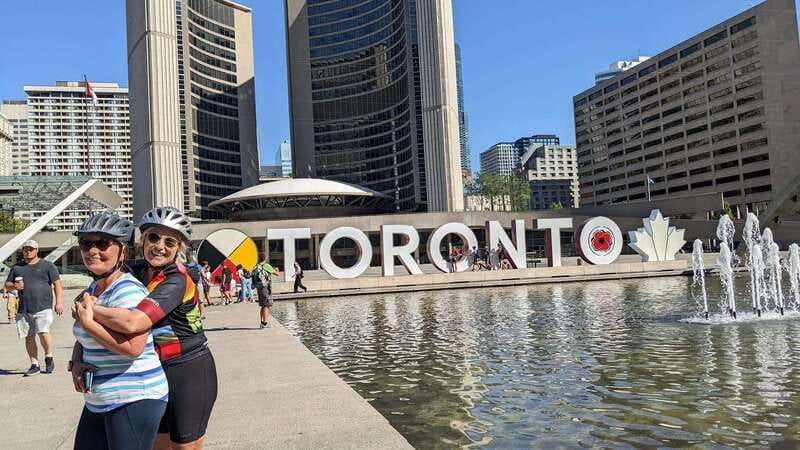
Toronto is one of those cities where the “big sights” are also spread out, and that makes it harder than you’d expect to see the essentials without wasting half a day on transit or traffic. This bike tour solves that. You cover key downtown areas in about 3.5 hours, while still getting frequent stops to look, ask questions, and absorb the stories behind what you’re seeing.
I also like the format because it works for different riding comfort levels. The pace is set for an easy cycle, with plenty of regrouping. That matters in a city like Toronto, where the downtown grid can feel intense if you try to DIY it right away.
And yes, you pay $90 per person, but it includes the bike and helmet plus water and snacks. When you factor in a live guide who knows how to move a group safely through bike lanes and busy intersections, it starts to look like good value. Instead of spending your first day figuring out routes and timing, you get a curated overview in street level reality.
More Bike Tours in Toronto
- Downtown Toronto Bike Tour
★ 5.0 · 336 reviews - Toronto Islands: Morning or Twilight 3.5-Hour Bike Tour
★ 4.8 · 304 reviews - Toronto Islands Morning Bike Tour
★ 5.0 · 192 reviews
Meeting near Dundas, and how to start without stress
The tour starts at a parking garage about 50 m south of Dundas on the west side of the street. You enter the garage, follow the yellow signs down to P2, section H. If anything feels unclear when you arrive, the partner support line is there to help you find the right spot.
Plan to arrive a few minutes early. Parking garages can be confusing the first time you see them, and you’ll want a calm moment to get your helmet on and check your water bottle setup.
In the days leading up to your ride, think about clothing. The tour includes helmets (mandatory), water, and snacks, but you still need to dress for weather and for being on a bike. Avoid dress shoes and anything fussy that you wouldn’t want to get a little dusty.
The safety mindset you want on a downtown bike tour
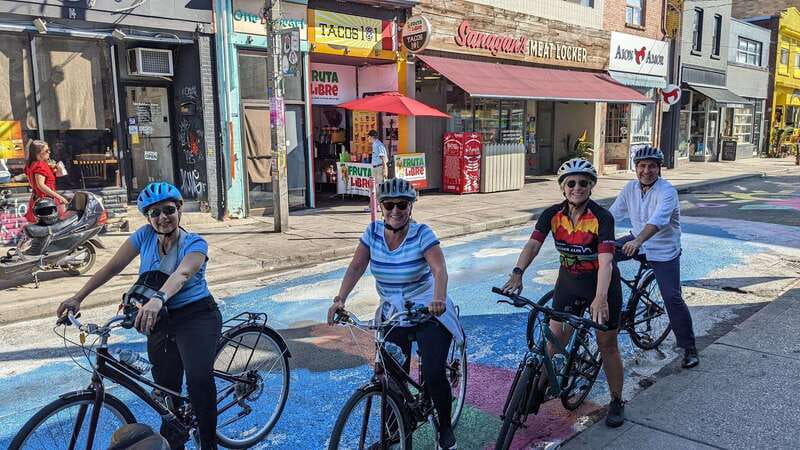
This company clearly treats safety as the whole point, not an afterthought. Tours run on quiet streets, park paths, and bike lanes, and you get safety instructions before each tour. Helmets are provided and required.
One detail that comes through again and again in guide feedback is group management. People mention guides staying attentive, keeping the group together, and steering you around the city in a way that feels controlled. Names like Oscar, Ryan, Sydney, and Consuela show up across recent tours, and the pattern is consistent: patient pacing plus regular comfort checks.
So if you’re new to city cycling, that safety structure is exactly what you’re looking for. If you’re more advanced, you still benefit because you spend less time guessing where to turn and more time watching what’s around you.
CN Tower to Union Station: the downtown “big picture” section
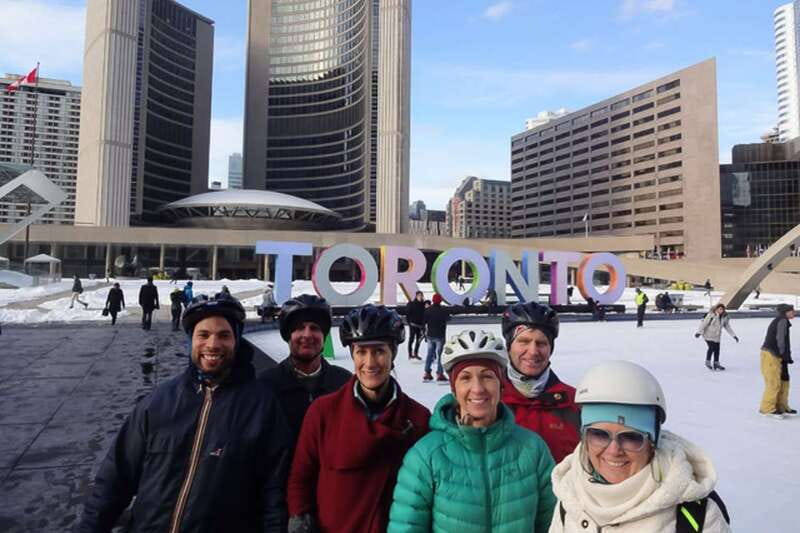
You start with some of Toronto’s best-known markers, so your first big impressions line up fast. Expect to see the CN Tower and ride past iconic spots like the Royal York Hotel and Union Station.
These are not just postcard stops. They help you understand how Toronto is organized: where the historic rail hub sits relative to modern skyline power, and how the city’s civic core relates to the tourist core. Even if you’ve only seen these landmarks from the outside, cycling past them at street level gives you a better sense of distance and direction than a bus window ever will.
At this stage, the tour also teaches you how the ride will feel. You’ll learn where the group slows down, how you’ll regroup for stories, and how guides keep the flow moving while still stopping often enough to actually look.
A few more Toronto days to compare
- E-bike through Toronto’s Dynamic Neighbourhoods
★ 4.6 · 12 reviews - The Grand Bicycle Tour by Cycle City Tours
★ 5.0 · 1,827 reviews - Epic Electric Bike Tour by Cycle City Tours
★ 5.0 · 848 reviews - The Stanley Park Bicycle Tour by Cycle City Tours
★ 5.0 · 785 reviews
Chinatown and Kensington Market, plus Eaton’s Centre and Dundas Square
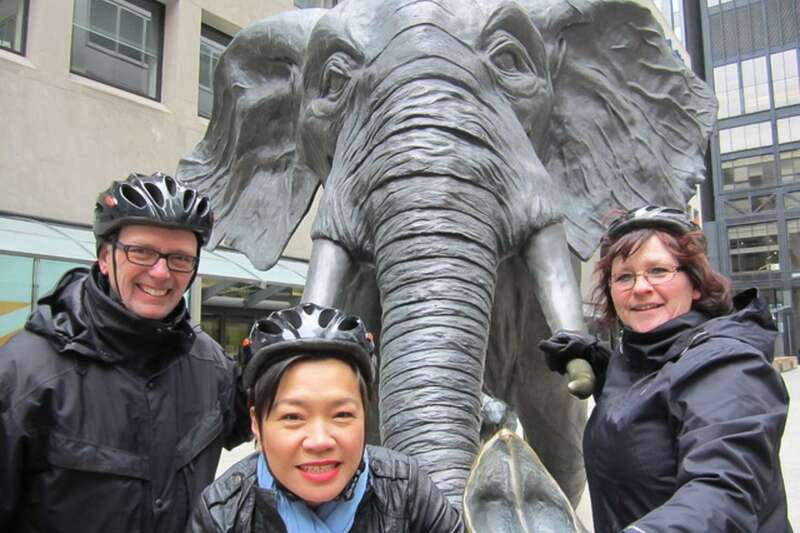
After the major skyline anchors, the route turns into neighborhood Toronto. This is where you get texture: Chinatown first, then Kensington Market, and you’ll connect those areas to the downtown shopping and people-watching zones like Eaton’s Centre and Dundas Square.
Chinatown and Kensington Market are perfect on a bike because they’re walkable areas that you can also scan quickly from the saddle. You get the street energy without getting stuck in the slow part of foot traffic. The guides’ storytelling here matters, because it turns what could feel like a simple sightseeing loop into a sense of why these areas developed the way they did.
One practical benefit: you’ll see the main streets and nearby side streets that are easy to miss if you’re only using big arterials. Then, later, when you return on foot, you already have a map in your head.
One note to keep in mind: Eaton’s Centre and Dundas Square are busy in general. This doesn’t ruin the tour, but it does mean you should expect a few moments where you’re focused more on staying in the group than on lingering for photos.
Queen Street West, AGO, and art stops that feel like a real walking tour
Then comes one of the best downtown “cultural axis” rides: Queen Street West plus stops around the Art Gallery of Ontario (AGO) and the College of Art and Design area.
This part is valuable because it shifts the tour from landmark sightseeing into something more human-scaled. Cycling lets you move quickly between streets, while the guide stops keep it feeling like you’re actually touring, not sprinting.
If art and design are even a little on your list, these stops are worth your attention. You’ll likely understand what area has the best sidewalks for hanging out, and you’ll see the difference between official institution front doors and the everyday streets that surround them.
And because the tour is at an easy pace, this segment is also a chance to catch your breath. You can take it in, ask questions, and not feel like you’re racing the clock.
Hockey Hall of Fame, Massey Hall, Rogers Centre, and Roundhouse Park
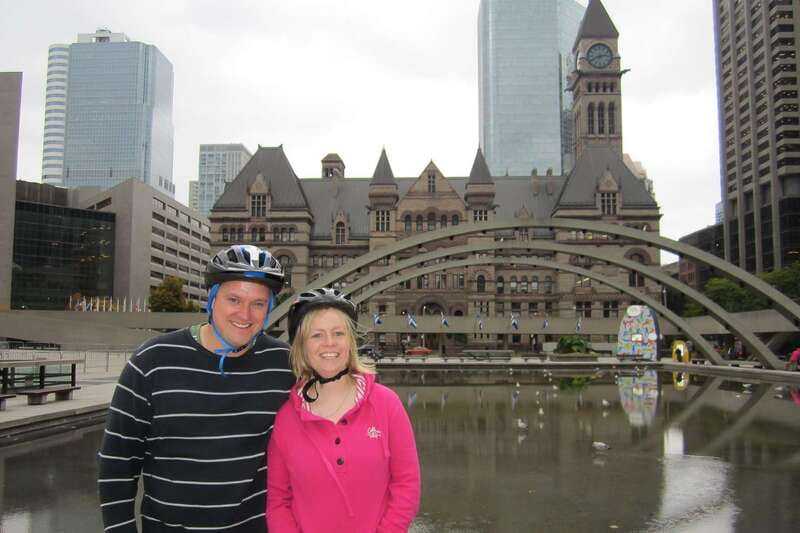
Next you slide into sports and performance Toronto, with stops that include the Hockey Hall of Fame, Massey Hall, and Rogers Centre, plus Round House Park.
This is a great stretch for fans and for anyone who likes how cities build identity around entertainment. Cycling past venues helps you see how the city’s infrastructure supports crowds, events, and movement, even when the area feels quiet between games.
It’s also a fun area for photos, and several participants mention that hosts take photos at the different stops. That means you don’t have to fight for a perfect shot while also trying to manage a bike, a helmet, and a phone in one hand.
Practical tip: if you want to re-visit any venue on your own later, pay attention to what side of the street you’re on when you stop. Guides do a good job explaining the landmarks, but your own sense of orientation will come from those street-level details.
City Hall to St. Lawrence Market, with iconic corners like Flatiron and St. James
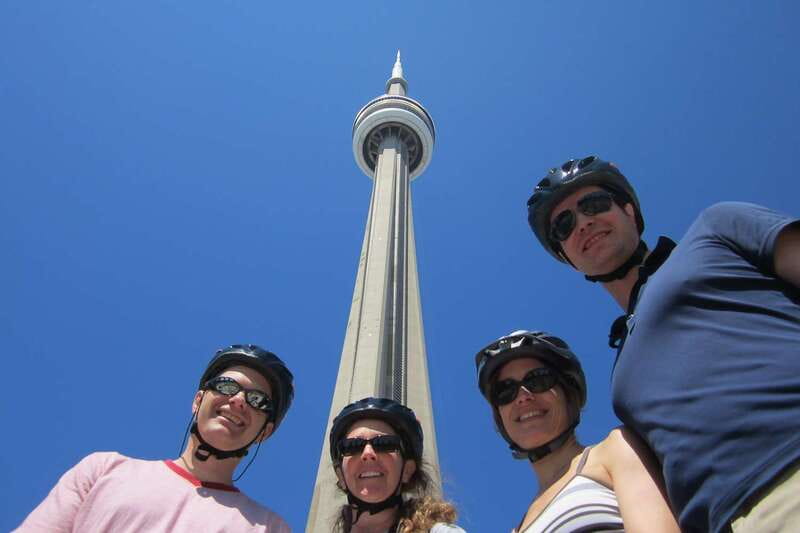
Now you hit the civic and food-and-market zone, including City Hall, St. Lawrence Market, the Flatiron building, and St. James Cathedral and Square.
St. Lawrence Market is especially powerful on a bike tour, because you’re not just seeing it. You’re seeing what surrounds it, including the streets and public spaces that shape how it feels day-to-day. Even if you plan only a quick snack later, you’ll understand where the best pedestrian lanes tend to be and how the area connects to the rest of downtown.
The Flatiron building and St. James Cathedral add a different kind of visual interest. You get to see the geometry of the streets and how Toronto’s architecture sits right in the middle of daily life, not behind fences or in far-away museum districts.
If you’re the type who likes to “collect” neighborhood cues for later, this section gives you plenty. You’ll likely finish the tour with at least a couple of places you want to photograph again, slower.
Harbourfront, the lake edge, and ending near Sugar Beach
After the dense downtown core, the ride shifts toward waterfront energy. You’ll pass the Harbourfront and Lake area, plus stops that include Corus Quay and Sugar Beach, landing you in a part of Toronto that feels more open and breezy.
This is one of the smartest ways to break up a downtown-heavy tour. The lake views help reset your eyes and your energy. Even if you’re not staying long, this kind of stop makes the city feel more than just towers and streets.
Sugar Beach is a great “last stretch” type of stop because it’s visually distinctive and easy to linger at for a minute or two, even if the group keeps moving. The guide helps you place it in the larger waterfront story, so you understand why this shoreline matters in the city’s layout.
If the weather is warm, this section can be a highlight. If it’s cool or windy, you’ll still appreciate it because it’s a true break from the urban grid.
The Entertainment District finish, and how to use it to plan your next days
You end up back in the downtown action around the Entertainment District, after cycling past a list of major cultural and civic anchors along the way. This matters because the best use of an overview tour is what you do after.
Here’s how I’d use what you learn on this ride:
- Pick one or two neighborhoods from the tour where you want a deeper wander on foot
- Decide if you’ll return to the market area for food or the waterfront area for a slower afternoon
- Use the landmark orientation to pick a smarter subway route or walking route later
One rider noted the pace felt relaxed and described a total of about 15 km spread over roughly 3 hours. That gives you a real sense of effort level. It’s not a spin class. It’s a moving tour that lets you enjoy the city without arriving exhausted.
What’s included, and how the 3.5 hours usually feels
You’ll be provided with a bicycle and helmet, plus water and snacks. There’s also water bottle storage on each bike, and locker space is available so you can leave items. That small detail is helpful. It keeps you from carrying extra weight around downtown while you’re trying to ride and listen.
Snacks and water matter more than you think on a tour like this. You’re stopping often, but you’re also staying in motion for long stretches. A quick snack and a refill point remove the urge to abandon the group to find food.
Group dynamics are another part of the experience. Many guides are praised for staying patient and safety conscious while still telling entertaining stories. People also mention the guides taking lots of free photos at various landmarks. If you want a low-effort way to capture the day, this helps.
Who should book this Toronto Heart of Downtown bike tour
Book it if you want a fast, guided overview that covers real downtown geography in a single afternoon. It’s a strong first-trip choice because you come away with street-level bearings. It’s also a good option if you don’t want to spend your limited time on planning routes, guessing bike lane connections, or trying to read the city from a single bus corridor.
It’s also a good fit if you’re somewhere between beginner and confident rider. The tour is designed for beginners, but it still offers plenty for experienced cyclists to enjoy, since most of the route runs through bike lanes and parks rather than constantly fighting for space.
Skip it or consider a different option if you prefer super unhurried time in one neighborhood. This route hits a lot of famous places, so it won’t replace an all-day market crawl or a long waterfront stroll. You’ll get the “see it and understand it” version, not the “linger for hours” version.
Should you book this Toronto downtown bike tour?
My take: yes, if your goal is orientation plus highlights in one easy ride. The value is strong for what’s included, and the safety approach gives you confidence. With stops tied to major landmarks like CN Tower, Union Station, City Hall, St. Lawrence Market, and Sugar Beach, you leave with a mental map you can use immediately.
My only caution is timing. If you’re the type who needs a lot of free time to wander, plan to come back to your favorites after the tour. This ride is best as the start of your Toronto week, not the entire story.
FAQ
How long is the Toronto Heart of Downtown bike tour?
The tour duration is 210 minutes, which is about 3.5 hours.
What’s included with the ticket price?
You get a bicycle and helmet, plus water, snacks, and one or more tour guides.
Where do I meet the group?
Meet at a parking garage located about 50 m south of Dundas on the west side of the street. Enter the garage, follow the yellow signs to P2 level, section H. You can call the local partner if you need directions.
What languages are the live guides available in?
The live tour guide is available in Spanish, English, and French.
Is the tour suitable for beginners?
Yes. The tour is suitable for beginners, and it moves at an easy pace with plenty of stops.
What should I bring or wear for the ride?
Dress appropriately for the weather and the bike ride, and avoid dress shoes or fancy clothing. Bring sunglasses, sun block, and a camera if you want. Locker space is available for items you want to leave behind.
Recently listed around Toronto
- Toronto Waterfront and Islands Guided Bicycle Tour★ 4.9 · 80 reviews
- Toronto:2-Hour Single Kayak Rental★ 5.0 · 3 reviews
- Toronto: Toronto Raptors NBA Game Ticket at Scotiabank Arena★ 4.6 · 88 reviews
- Toronto: Winter Niagara Falls Tour with Attractions Package★ 4.7 · 43 reviews
- Toronto: Treasures of Niagara Falls Small Group Tour w/Boat★ 4.7 · 122 reviews
- Toronto: Craft Brewery Tour★ 5.0 · 8 reviews
- Toronto: Toronto Zoo Entry Ticket★ 4.1 · 68 reviews
- Toronto: Toronto Maple Leafs Game Ticket at Scotiabank Arena★ 4.6 · 43 reviews
Cycling Tours, compared.


The Stanley Park Bicycle Tour by Cycle City Tours
Read our review →

Browse the lists this tour appears in