
REVIEW · MUSEUMS
McCord Stewart Museum – Admission
A museum that reads Montreal like a story.
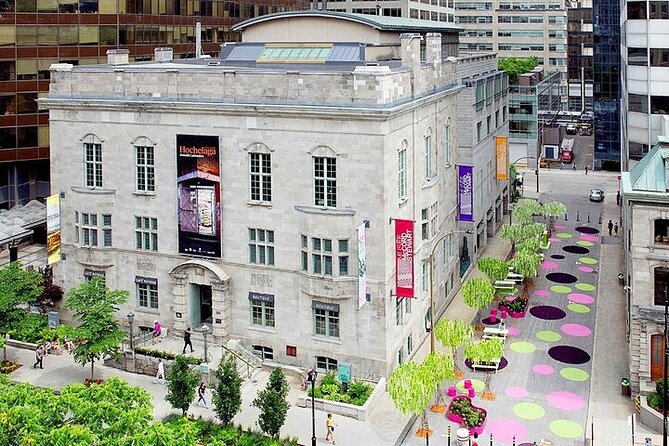
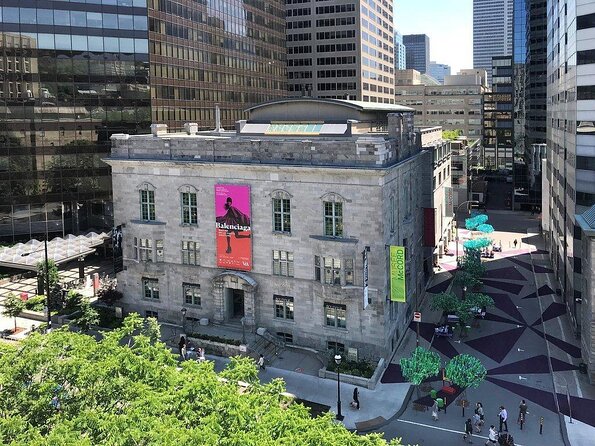
The McCord Stewart Museum sits right in the city and has spent more than a century collecting and interpreting Quebec and Canadian life. What makes it extra interesting is the scale, with six expansive collections covering millions of images, objects, documents, and artworks, plus exhibitions that tackle social history through a critical, inclusive lens.
I especially like the mix of areas you do not always see under one roof: Dress, Fashion and Textiles, Indigenous Cultures, and Photography. The staff also get points from me, because the team is friendly and helpful, and the museum is easy to navigate. One thing to consider, though, is that this is just admission with no guided tour, so you will want to allow time to read labels and slow down.
In This Review
- Key highlights to know before you go
- McCord Stewart Museum: a one-stop admission that covers Montreal in chapters
- Price and value: is $16.46 worth your time?
- Getting there without stress: central Montreal plus quick orientation
- Dress, Fashion and Textiles: how style becomes a lens on society
- Indigenous Cultures: a thoughtful approach to history and present-day issues
- Photography: seeing Montreal, Canada, and identity through images
- Special exhibits that make your ticket feel extra useful
- How long should you plan: 1 hour, 2 hours, or a full half-day?
- Cafe Notman and your comfort breaks, plus what is not included
- Who this museum suits best, and who may want to adjust expectations
- Should you book McCord Stewart Museum admission?
- FAQ
- How much is admission to the McCord Stewart Museum?
- How long does the museum visit take?
- Is a guided tour included with admission?
- Are coffee or tea included?
- Is the ticket mobile?
- Is the experience offered in English?
- What is the cancellation policy?
- Will I get confirmation after booking?
- Is the museum easy to reach and can service animals come?
Key highlights to know before you go
- Six major collections covering images, objects, documents, and artworks, so you can build a visit around what you care about most.
- Fashion and textiles as social history, not just style, with exhibits that can include fashion-media favorites like Vogue.
- Indigenous Cultures presented with an eye toward decolonization and contemporary issues.
- Photography that helps you connect people, places, and changing Montreal over time.
- Special exhibit moments like Montreal restaurant history, including menus and the prices behind them.
- Self-paced visit with an easy layout, plus helpful staff when you need a nudge.
McCord Stewart Museum: a one-stop admission that covers Montreal in chapters
If you like museums that feel like they are teaching you how to see, not just what to see, this one works. The McCord Stewart Museum is a long-running landmark in central Montreal, and it is built around the idea that heritage is lived, debated, and shared across communities. You are not locked into one theme, which is great when your group has mixed interests.
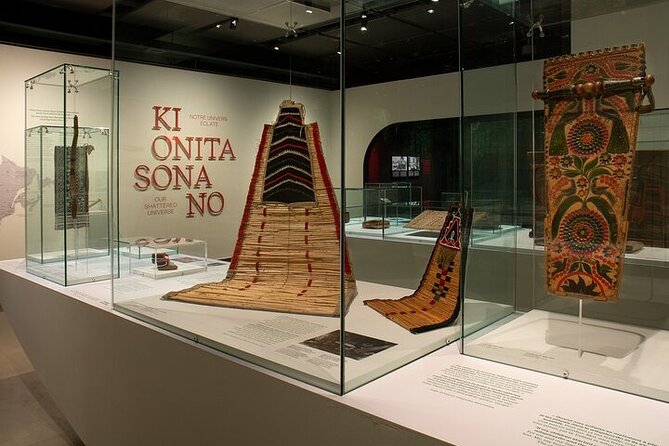
This museum’s collections are organized so you can sample broadly or focus. The big collections covering fashion, Indigenous cultures, and photography are the backbone, but there is also room for special exhibitions that connect the past to current conversations. That means your visit can feel more like researching than sightseeing, in a good way.
Practical takeaway: plan to move at your own pace. This is not a fast “see everything” museum. Even though it is possible to cover a lot in a couple of hours, the meaningful moments tend to happen when you slow down and actually look at objects, photos, and written context.
More Museum Tours in Montreal
- Museum of Illusions Montreal – 70+ Illusions to Explore
★ 4.0 · 103 reviews - Montreal: Museum of Illusions Entry Ticket
★ 4.6 · 25 reviews - Montreal: Art Center and Museum Audio Guided Tour
★ 4.3 · 18 reviews
Price and value: is $16.46 worth your time?
At $16.46 per person, the admission price lands in the category of “worth it if you’ll actually look.” The value part is that you are buying access to a museum with big collections and rotating themes, not just one small exhibit. Since the experience runs about 1 to 4 hours, you can right-size your visit to your schedule.
Here is how I think about value for this museum:
- If you have 1 to 2 hours, focus on one or two collection areas plus any special exhibit that grabs you.
- If you have 3 to 4 hours, you can take a more relaxed route, reading deeper into the context and comparing objects across galleries.
Also, your ticket is mobile, and all fees and taxes are included. That reduces the usual “surprise totals” feeling you sometimes get with attractions. The museum is offered in English, which helps you spend time understanding the exhibits instead of translating everything on the fly.
One note on timing: the experience is often booked about 28 days in advance, so if your dates are tight, it is smart to reserve early rather than waiting.
Getting there without stress: central Montreal plus quick orientation
The museum is near public transportation, so getting there is straightforward. I like that because Montreal is easiest when you are not wasting time in transit loops. If you are walking around the city anyway, this fits neatly into a day of exploring.
Once inside, you can expect an experience that is easy to navigate. Based on what people consistently highlight, the layout supports a self-guided pace, and staff are there if you need help finding a specific collection or exhibition area. That matters more than you might think, especially if you are deciding between two exhibits and you want to get oriented fast.
Tip for your visit: decide early whether you are in “browse mode” or “focus mode.”
- Browse mode: pick a couple of areas and let your attention wander.
- Focus mode: commit to one collection theme and treat special exhibits like side quests.
Either way, give yourself enough time to read. Without a guided tour included, the labels and exhibit text do a lot of the heavy lifting.
Dress, Fashion and Textiles: how style becomes a lens on society
This museum’s fashion and textile strengths are not just about aesthetics. The collections frame clothing and materials as part of how people express identity, roles, class, culture, and change over time. If you enjoy design, you will probably enjoy the context even more.
You can also connect this collection to what you may see in special exhibitions. One example from the museum’s programming is a Vogue magazine exhibit. If that catches your eye, it pairs naturally with the bigger theme of fashion media and how style gets documented, marketed, and remembered.
What to look for when you go:
- Materials and construction, because textiles tell you about technology and access.
- How garments are presented and interpreted, because the museum often links objects to community life and shifting meanings.
- Any editorial context if you see fashion publications, since that is where you can compare imagery over time.
If you are someone who usually skips fashion museums, I would still give this one a chance, because the aim here is cultural meaning, not runway glam.
A few more Montreal days to compare
- McCord Stewart Museum Entry Ticket
★ 4.5 · 9 reviews - Montreal: Imaginarium Museum Entry Ticket
★ 4.4 · 5 reviews - Exporail, the Canadian Railway Museum
★ 4.2 · 5 reviews - Toronto: Royal Ontario Museum Admission Ticket
★ 4.6 · 1,237 reviews
Indigenous Cultures: a thoughtful approach to history and present-day issues
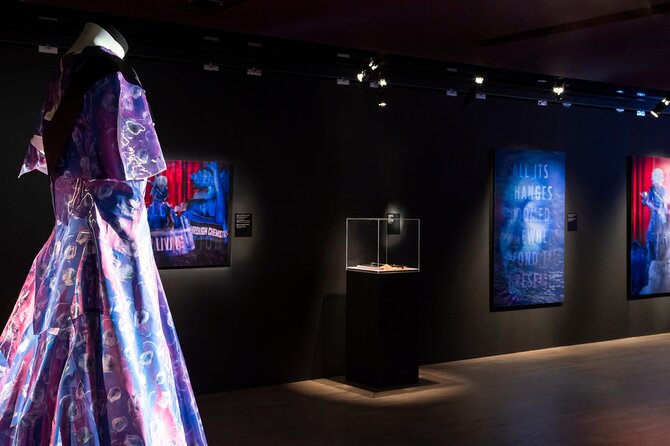
The McCord Stewart Museum is explicit about creating exhibitions and educational activities through a critical and inclusive lens. That shows up in the way Indigenous cultures are presented, with themes connected to decolonization and contemporary issues.
If you want to learn without feeling like you are being rushed, this is a good fit. Take your time, because the most valuable parts of these exhibits tend to be the context around the objects, images, and interpretations. Read slowly, then look again. When you revisit a caption after you have seen more of the display, it often clicks in a new way.
Practical advice: do not try to speed through everything in one sweep. Instead, choose a section to start, read it carefully, then decide whether you want to branch out into adjacent themes. This keeps the experience from turning into a checklist.
Photography: seeing Montreal, Canada, and identity through images
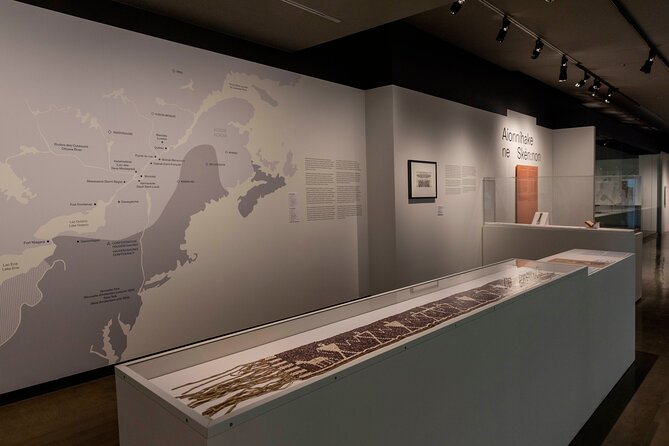
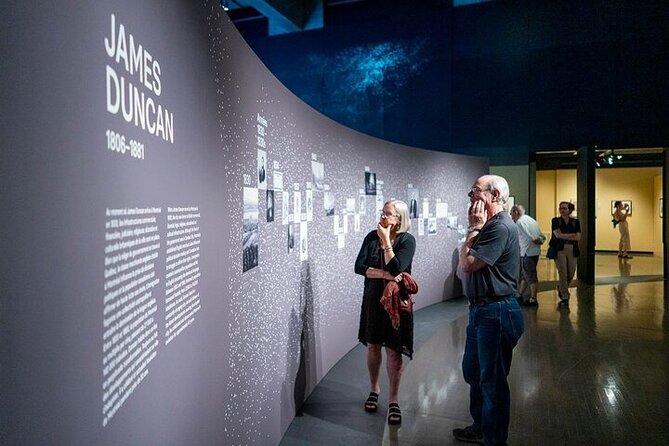
The museum’s Photography collection is a powerful way to understand people and place. Photos bring a different kind of immediacy to history, especially when paired with objects and documents. You are not just reading about change, you are seeing how communities photographed themselves and were photographed by others.
In a museum with multiple collection strengths, photography works like a connector. It can tie to fashion and textiles through images of people in dress. It can also support Indigenous culture narratives by showing how representation and documentation have evolved.
When you are in this section, I would do two things:
- Spend a little extra time with a few photos that feel emotionally or visually strong to you.
- Read the surrounding context before assuming the photo means one thing.
A good photo can hold more than one story. The museum format helps you slow down enough to notice that.
Special exhibits that make your ticket feel extra useful
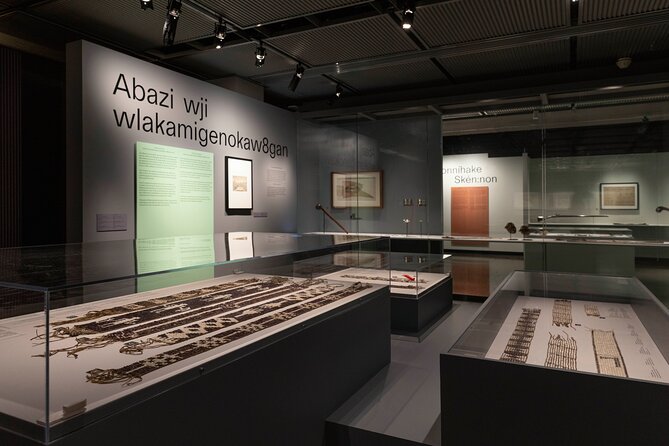
Even with major collections, special exhibits are often the reason people remember a visit. Here are two examples that come up clearly in feedback.
First is Montreal restaurant history, including menus and the prices behind them. That is such a practical detail, because it anchors culture in everyday life. You get a sense of what people could afford, what was popular, and how dining habits reflected broader changes. If you like food history or urban history, this exhibit can feel surprisingly personal.
Second is the Vogue magazine exhibit. If you are interested in how fashion ideas spread through media, this kind of exhibit gives you a bridge between objects and storytelling. Vogue also makes it easy to connect visuals to broader social trends.
My tip: treat special exhibits like your “anchor points.” Pick one or two to center your visit around, then use the collections to support what you are already curious about. That approach helps you leave with a clearer sense of what you actually gained.
How long should you plan: 1 hour, 2 hours, or a full half-day?
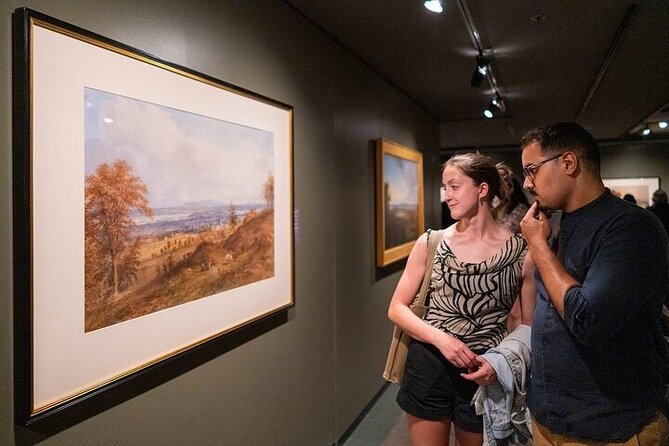
The experience length is listed as about 1 to 4 hours, and that range makes sense here. This is not a museum where you must see everything to feel satisfied. Instead, satisfaction comes from choosing what fits your interests.
If you only have about 1 hour, do this:
- Go directly to one collection area you care about most (fashion, Indigenous cultures, or photography).
- Add one special exhibit if it is running and fits your route.
- Move quickly enough to stay energized, but do not skip all text.
If you have about 2 hours, you can usually cover:
- One major collection theme plus one other area.
- One special exhibit for a deeper memory.
If you can give it 3 to 4 hours, you will get a more complete experience:
- More reading time.
- More comparison between objects and images.
- A slower pace that helps the exhibit messages land.
No matter your timing, I suggest leaving with one clear takeaway question in your head, like how fashion, photography, or community heritage is interpreted. Then, while you walk, look for the answers the museum gives you.
Cafe Notman and your comfort breaks, plus what is not included
Admission does not include coffee and/or tea. The good news is that the café, Cafe Notman, is available on site, so you can take a break without leaving the museum area.
Plan your break strategically. If you are the type who reads a lot, you may want a mid-visit pause so you do not end up skimming at the end. If you are on a tight schedule, grab something simple and get back to your main gallery.
Also, since you are self-guided, food breaks can reshape your route. If the café is busy when you arrive, I would not panic. Just continue your visit to a gallery first, then come back later for your drink.
Who this museum suits best, and who may want to adjust expectations
This is a strong pick for people who like museums that use objects and images to explain social change. If you care about fashion history, Indigenous cultures, photography, or Montreal food and everyday life, you will likely have a good time.
It is also a good choice if you want flexibility. Because there is no guided tour included, you control the pace. If you prefer exploring without a group schedule, this fits.
A potential mismatch is if you want a fully guided, interpretive experience where every section is explained in depth by a person. Since a guided tour is not included, you will rely on exhibit text and your own curiosity. You can still have a meaningful visit, but it helps to go in ready to read.
Should you book McCord Stewart Museum admission?
I think you should book if you want a central Montreal museum with major collections and at least one special exhibit that matches your interests. The price is reasonable for what you get, and the self-paced setup makes it easy to plan a visit around your day.
Book sooner if your dates are fixed, since it is commonly booked about a month in advance. And if you are going with a mix of interests, this museum is a smart bet because it does not force one single theme.
If you only like museums where someone talks you through everything, you may feel a bit more satisfied at a tour-based option. But if you enjoy labels, looking closely, and connecting images to ideas, this admission ticket is a solid use of time.
FAQ
How much is admission to the McCord Stewart Museum?
Admission is priced at $16.46 per person.
How long does the museum visit take?
The duration is listed as about 1 to 4 hours.
Is a guided tour included with admission?
No. Admission does not include a guided tour.
Are coffee or tea included?
No. Coffee and/or tea are not included, but Cafe Notman is available on site.
Is the ticket mobile?
Yes. The experience includes a mobile ticket.
Is the experience offered in English?
Yes, it is offered in English.
What is the cancellation policy?
You can cancel for a full refund up to 24 hours before the experience start time. If you cancel less than 24 hours before, you will not receive a refund.
Will I get confirmation after booking?
Yes. Confirmation is received at the time of booking.
Is the museum easy to reach and can service animals come?
Yes. It is near public transportation, and service animals are allowed. Most travelers can participate.
Recently listed around Montreal
- Montreal: 3-Day Toronto, Niagara Falls, Thousand Islands★ 4.7 · 5 reviews
- Old Montréal Small-Group Christmas Tour★ 4.4 · 39 reviews
- Sherbrooke: Nordic Spa Thermal Experience★ 4.7 · 9 reviews
- Ottawa: Helicopter Ride with Live Commentary★ 5.0 · 130 reviews
- From Montreal: Quebec City Day Trip with Ice Hotel Entry★ 4.8 · 126 reviews
- Port of Montreal Glass Tower Entry★ 4.4 · 129 reviews
- Paranormal Investigation – Old Sainte Antoine Cemetery★ 3.5 · 3 reviews
- Outdoor mini golf in Montreal★ 4.9 · 13 reviews
Museums, compared.
Art Gallery of Ontario General Admission Ticket
Read our review →


Browse the lists this tour appears in