
REVIEW · FOOD & DRINK
Guided tour « from the bee to the bottle » with tasting – English
Bees turn into drinks you can actually taste. This guided tour at Apikol explains the whole path from hive to bottle, in just about an hour. I like that you get both the story and the pour, not just a sales pitch.
Second, the tasting is the real payoff. You sample three products led by an expert, starting with sparkling mead plus two spirits you choose from their lineup. The group stays small, so you can ask questions and get answers that make sense.
One possible drawback: the tasting window is short, around 15 minutes. If you want a long, slow sip session, you may end up wanting to linger at the shop after.
In This Review
- Quick highlights you should care about
- Entering Apikol, where honey becomes something stronger
- The 45-minute guided story: from bees to bottling
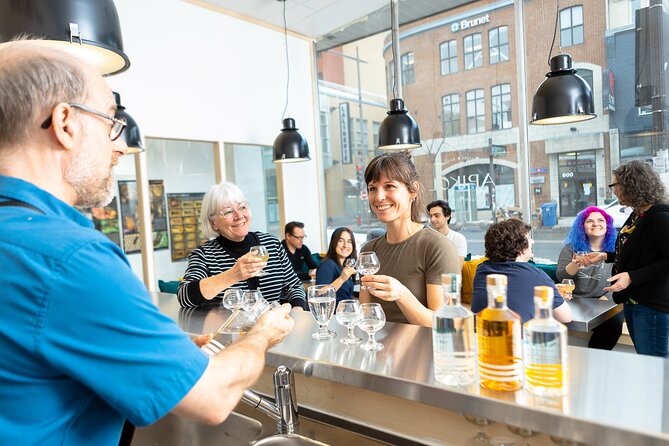
- How the tasting works: sparkling mead and spirit choices
- Small group size means you actually get answers
- Price and value: $21.58 for story plus three tastings
- Where it fits in your Quebec City day, and how to show up ready
- What you’ll learn you can use immediately at other tastings
- What to expect at the shop, and how to plan your bottle purchases
- Who this tour is best for
- Should you book this bee to the bottle tour at Apikol?
- FAQ
- How long is the tour?
- What is included in the guided experience?
- How many products are tasted, and what are they?
- Can I choose which spirits to taste?
- Is the tour available in English?
- What is the group size limit?
- Where does the tour start?
- Is there a mobile ticket?
- What is the cancellation policy?
- On average, how far in advance is it booked?
Quick highlights you should care about
- Hive-to-bottle production, explained in plain language by someone from the owner team during a guided walkthrough
- Sparkling mead plus two spirit tastings, chosen based on your preferences
- Maximum 8 travelers, which keeps the visit from feeling like a factory tour stampede
- Onsite transformation process, including fermentation, distillation, aging, formulation, and bottling
- Purchase is onsite only, so plan to buy right after tasting if you want bottles or gift items
Entering Apikol, where honey becomes something stronger
Apikol is set up for a very specific kind of curiosity. You walk in expecting bees and honey, then you leave thinking about fermentation, distillation, aging, and bottling as one connected chain.
What makes this work is the pacing. In about 45 minutes, you get a guided interpretation of the bee and how honey gets extracted and transformed. Then you shift into tasting mode for around 15 minutes, with an expert guiding what you smell and taste.
If you enjoy pairing drinks with stories, this is an easy match. You are not stuck reading labels, or trying to connect dots after the fact.
More Food Tours in Quebec City
- Old Quebec City Food Tour with 10+ Autentic Local Tastings
★ 5.0 · 1,288 reviews - Evening Gourmet Tour 5 Course Dinner – History and Food in Old Quebec City
★ 5.0 · 496 reviews - Combo Historical and Food Tour of Old Quebec
★ 5.0 · 360 reviews
The 45-minute guided story: from bees to bottling
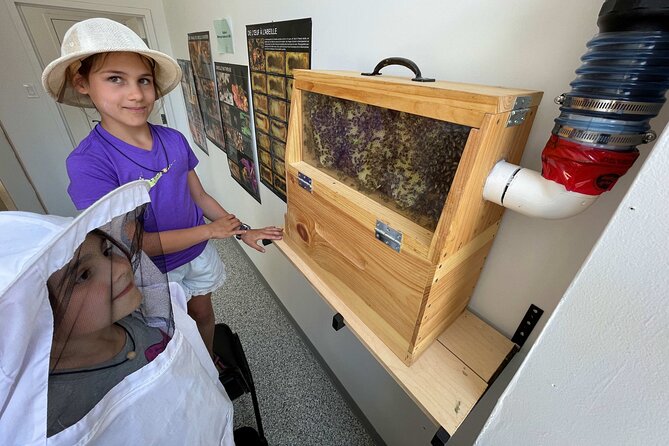
The guided portion is designed as a step-by-step explanation of how Apikol turns raw ingredients into bottled products. One of the owners leads the visit, and the focus stays on the practical chain: how bees factor in, how honey is extracted, and how that honey becomes drinks.
Here is the flow you should expect during the tour:
- Bees and honey basics, with interpretation focused on how bees fit into the process
- Extraction of honey, explained as the start of the transformation
- Fermentation, where ingredients start becoming alcohol-based flavors
- Distillation, which helps shape strength and character
- Aging, to let flavors round out over time
- Formulation, where the final blend choices matter
- Bottling, the last step before it ends up in your hands
You will notice the language used during the tour tends to stay grounded. Even when the process gets technical, it is tied back to what you will later taste. That is what makes the 45 minutes feel useful, not like a lecture you forget on the walk back to the street.
One more smart part: production is handled onsite. That matters because the tour is not about a faraway supply chain. You are seeing the same place that produces what you are tasting.
How the tasting works: sparkling mead and spirit choices
The tasting portion is short by design, around 15 minutes. But it is set up so you still leave with clear favorites.
You will taste three products guided by an expert. The lineup includes:
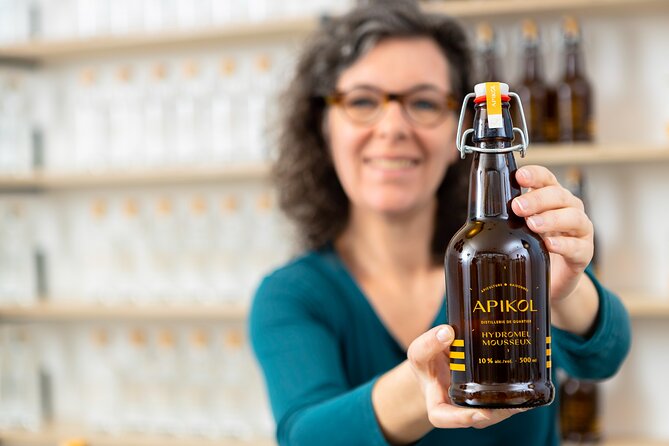
- Sparkling mead
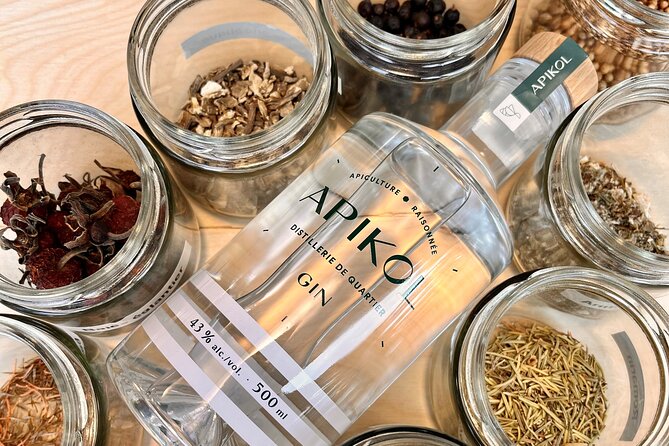
- Two spirits, selected from a set of four options
- You can choose which spirits you taste based on your preferences
There is also an option to add others for a small supplement, so you can stretch the experience if you find one style you really click with.
Why I think this format is good: it forces you to make decisions without forcing you into a rigid “one size fits all” tasting. If you prefer something smoother, lighter, or more spirit-forward, you can steer the tasting toward that.
And the guided element matters here. In a room like this, scent and texture cues can be easy to miss if you are just sipping. The expert’s role is to help you connect aroma to process, so the tasting becomes a real extension of the tour story.
Small group size means you actually get answers
This is capped at a maximum of 8 travelers. That number may sound small on paper, but on the ground it changes the feel fast.
With a small group, you are more likely to get back-and-forth questions. It is easier to ask things like how one step affects flavor, or what you should look for while tasting. You also get more human interaction, not just a voice over a few tables.
The guides here are not anonymous. Even if you are not catching a specific guide’s name on the spot, the vibe is that the owner team is directly involved. In responses from the staff, you can see the same person, Nadine (co-owner), showing up in the conversation after guests leave. That kind of personal care tends to show in how the tour is run.
If you want a distillery-style visit that feels more like a conversation than a rush, this size helps.
A few more Quebec City days to compare
- Quebec: Old Quebec City Food Tour with 10+ Local Tastings
★ 4.9 · 185 reviews - Wine Tasting on Ile d’Orleans
★ 4.5 · 163 reviews - Quebec City: Old Quebec 5-Course Gourmet Food Tour
★ 5.0 · 107 reviews - Quebec City: Honey and Distillery Tour with Tasting
★ 4.9 · 103 reviews
Price and value: $21.58 for story plus three tastings
At $21.58 per person, this tour is priced in a way that usually makes sense for a quick, focused experience.
Here is what you are paying for, beyond the obvious:
- A guided walk through the full chain, including fermentation, distillation, aging, formulation, and bottling
- A guided tasting with an expert
- Three samples, including sparkling mead plus two spirits you choose
In other words, you are not just paying for entry. You are paying for interpretation that turns the tasting into something you understand.
There is also a practical value angle. The group is small and the time is short. That makes it easier to fit into a day already packed with Quebec City sights.
One tip for getting the most value: come in with a mindset that this is both educational and preference-based. If you tell the tasting expert what you like (sweet vs. dry, lighter vs. stronger), you are more likely to walk out with bottles you actually want, not just something you feel obligated to buy.
Where it fits in your Quebec City day, and how to show up ready
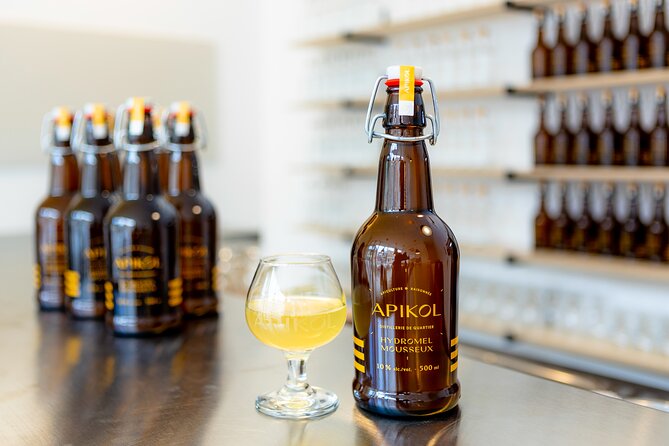
The tour meets at 627 Boulevard Charest E, Québec, QC G1K 3J5, Canada and ends back at the meeting point.
A helpful detail from the experience is how easy it is to combine this with the rest of your day. The distillery is described as minutes away on foot from the Old City area. That means you can likely slot this in between sightseeing without spending your whole day on transport.
Also, think about timing around tasting. If you are planning other evening plans, this is a good idea to treat as a main stop, not a tiny side errand. The tasting is not huge, but it does happen in a focused 15-minute window.
Practical nudge: if you do plan to buy bottles, give yourself a little cushion. Reviews note that purchases are made onsite, and the products are not available in stores as part of permit requirements. So if you like something, you will want to act soon, before your day gets too full.
What you’ll learn you can use immediately at other tastings
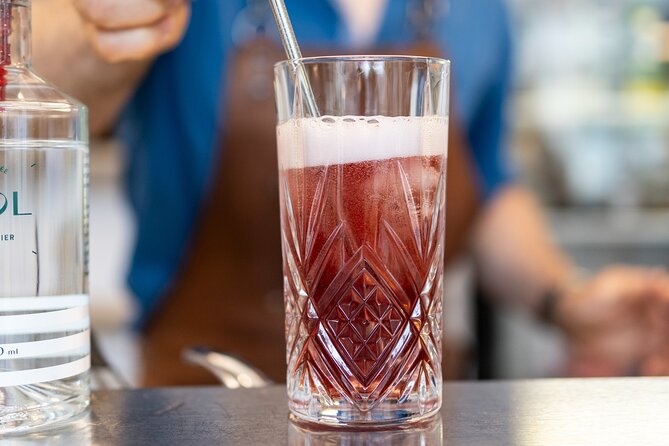
Even if you do not plan to become a home distiller, the process overview has a useful side effect. It gives you a framework for what to pay attention to later.
After this kind of guided explanation, your tasting gets sharper because you know what each step does to the final flavor. For example, once you understand fermentation and distillation in the context of honey-based drinks, you start catching differences in aroma and finish more easily.
You also learn that honey-based production is not just a sweet story. It can lead to sparkling mead and multiple spirit styles, including a range of options so you can compare.
Another practical learning point: how aging and formulation influence the way flavors blend and mellow. That is the kind of knowledge that makes future tastings less confusing and more fun.
If you usually skip the technical tours and only focus on views or museums, this is one that earns attention because it directly feeds the tasting.
What to expect at the shop, and how to plan your bottle purchases
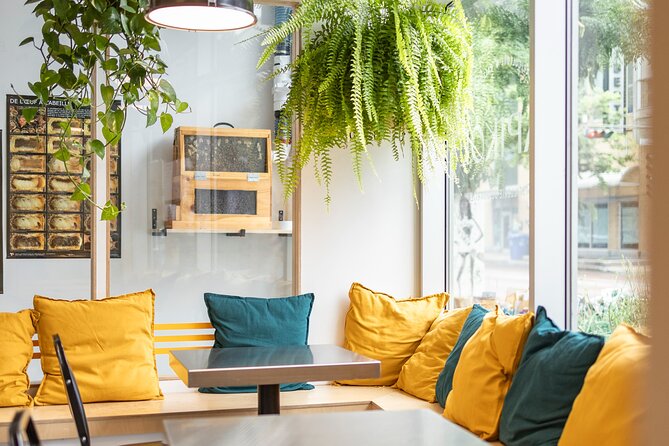
You finish where you start, but the experience does not end with the last sip. Onsite purchasing is part of the flow.
A useful thing to know: drinks are for sale onsite, and the products are not available in stores due to permit requirements. That means the shop is not optional if you want to bring home your favorites.
Some guests also highlight the packaging side, including sustainable, reusable bottles. If you like giftable bottles that feel thoughtful and not wasteful, that detail is worth paying attention to when you browse after tasting.
If you are traveling light, plan for bottles carefully. The experience is meant to be a good stop for souvenirs, but you should think about how you will carry glass and how you will pack it.
Who this tour is best for
This one tends to fit a lot of travelers, but it shines for a few specific types:
- People who like bees and want more than a quick honey fact
- Food and drink lovers who enjoy understanding how ingredients become flavors
- Curious travelers who want a short activity that still feels substantial
- Anyone who prefers small groups and conversation-style guiding
Even if you are not a beekeeper, you should still feel at home. One of the strengths described is that the tour works for both experts and non-experts, because the process is explained step by step and tied to the tasting you are about to do.
If you are traveling with someone who is hard to please, this can be a smart choice because it covers nature (bees), process (distillation and aging), and payoff (tasting).
Should you book this bee to the bottle tour at Apikol?
I would book it if you want a compact, high-value experience that connects story to taste. The format is simple: a guided explanation led by the owner team, then a guided tasting with sparkling mead and two spirit choices. Add in the small group size, and you get an experience that feels personal without taking over your whole day.
Skip it only if you know you prefer long tastings with lots of samples, or if you are not interested in how drinks are made. This tour is focused, fast-paced by design, and built around three tastings rather than endless pours.
If you are in Quebec City and want a memorable, onsite production stop that ends with something you can compare in real time, this one is a solid yes.
FAQ
How long is the tour?
The tour runs about 1 hour.
What is included in the guided experience?
It includes a guided visit led by an accompanying guide (one of the owners) covering the interpretation of the bee and the transformation process, plus a tasting led by an expert.
How many products are tasted, and what are they?
You taste 3 products. The tasting includes sparkling mead and 2 spirits selected among 4, based on your preferences.
Can I choose which spirits to taste?
Yes. You can choose which two spirits you taste from their selection.
Is the tour available in English?
Yes, it is offered in English.
What is the group size limit?
The activity has a maximum of 8 travelers.
Where does the tour start?
The meeting point is 627 Boulevard Charest E, Québec, QC G1K 3J5, Canada.
Is there a mobile ticket?
Yes, a mobile ticket is offered.
What is the cancellation policy?
Free cancellation is available up to 24 hours in advance for a full refund.
On average, how far in advance is it booked?
It is commonly booked about 19 days in advance on average.
Recently listed around Quebec City
- Wine Tasting on Ile d’Orleans★ 4.5 · 163 reviews
- Quebec City : Winter Magic Walking Tour★ 4.5 · 9 reviews
- Heritage Upper Town E-Bike Tour★ 5.0 · 6 reviews
- VIP Agritourism Tour of Île d’Orléans & Montmorency Falls (Lunch)★ 5.0 · 11 reviews
- Skiing (Hok Ski) Excursion in Jacques-Cartier National Park★ 5.0 · 22 reviews
- A Private Walking Journey in Quebec City with Funicular Ride★ 5.0 · 5 reviews
- 4 Hours Private Quebec City Guided Tour★ 5.0 · 83 reviews
- A Taste of History Walking Tour★ 4.5 · 86 reviews
Food & Drink, compared.

Montreal Mile End Authentic Food Tour with 7 Delicacies Tastings
Read our review →
Old Quebec City Food Tour with 10+ Autentic Local Tastings
Read our review →
Toronto’s International Food Tour – Kensington Market
Read our review →
The Only Locally Owned Non-Touristy Food Tour by Spade & Palacio
Read our review →
St Lawrence Market Food Tour with 6 Food Tastings
Read our review →Browse the lists this tour appears in