
REVIEW · DISTILLERY & BREWERY TOURS
Quebec City: Honey and Distillery Tour with Tasting
Bees inside Quebec City, in winter-friendly comfort. At Apikol in the Saint-Roch district, you get a front-row view of how a honey-based urban farm becomes mead and spirits, all in one compact visit. It is part honey house, part meadery, part distillery, with a co-owner guide who is also a beekeeper and distiller.
I love the live, all-season observation hive. Seeing bees at work indoors is the kind of Quebec City detail that sticks, especially when the guide explains what you are actually looking at. I also love the no-nonsense walk-through of the production chain, from honey extraction and fermentation through distillation, ageing, formulation, and bottling, before you finish with a focused tasting.
One drawback to plan around: it is a tight 1-hour experience. If you want a long, slow pour with extra time at every station, you might feel a little rushed compared with bigger distillery tours.
In This Review
- Key things to know before you go
- Why this Quebec City honey tour feels different (and practical)
- Entering Apikol: honey house, mead house, distillery under one roof
- The indoor observation hive: bees at work without the cold
- From honey extraction to fermentation: what changes inside the tank
- Distillation, ageing, and bottling: why honey-forward spirits taste the way they do
- The tasting session: 3 products, one expert, and a chance to ask real questions
- Timing, group size, and how to make it work with your Quebec City day
- Who this tour is best for (and who should skip it)
- Price and value: what $21 buys you
- Should you book Apikol Honey and Distillery Tour with Tasting?
- FAQ
- What is the duration of the Apikol honey and distillery tour?
- Is the tour indoors?
- How big is the group?
- What languages are available for the tour?
- What will I taste during the tasting?
- Can tasting include more than three products?
- What happens for visitors under 18?
- Where do I check in for the tour?
Key things to know before you go
- A live indoor observation hive means you can watch bees year-round, not just in warm months
- Owner-led guidance from a co-owner who is both beekeeper and distiller, not a scripted guide
- Honey to alcohol, step by step covers fermentation, distillation, ageing, and bottling
- A tasting of 3 products led by an expert, with an effervescent mead included
- You can optionally add more to your tasting if you want a wider sampling
- Eco-friendly urban farm approach comes up during the tour and in conversations afterward
Why this Quebec City honey tour feels different (and practical)
Apikol is in the downtown Saint-Roch area, and the whole idea is simple: honey is not just a sweet ingredient here. It is the starting point for a small-batch making process that ends in mead and honey-forward spirits. The value of this tour is that it does not hide behind marketing. You walk through the spaces that connect bee work to fermentation and then to the final bottles.
This matters because many “food and drink” tours stop at the tasting. Here, you get the mechanism. You learn what bees do, how honey is extracted, and then how that honey gets transformed. By the time you sit down for the tasting, you are not just drinking, you are decoding what you are tasting.
Also, the indoor format is a big deal in Quebec City. Even if the weather is cold or unpredictable, you can still get that live-bee moment without dressing for outdoors. One of the strongest reasons to pick this tour is that it keeps the most interesting part of beekeeping accessible.
More Food Tours in Quebec City
- Old Quebec City Food Tour with 10+ Autentic Local Tastings
★ 5.0 · 1,288 reviews - Evening Gourmet Tour 5 Course Dinner – History and Food in Old Quebec City
★ 5.0 · 496 reviews - Combo Historical and Food Tour of Old Quebec
★ 5.0 · 360 reviews
Entering Apikol: honey house, mead house, distillery under one roof
When you check in at the front desk, you are going to a place that is organized around the same theme: bees to bottles. The tour layout keeps moving, so you do not spend most of the time looking at a single room. Instead, you cycle through the bee side first and then the making side, ending with your tasting session.
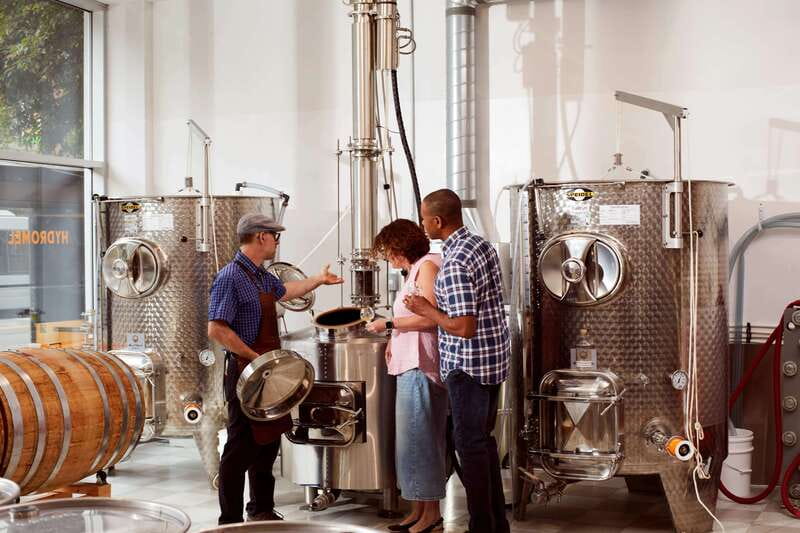
Apikol is described as an urban distillery with a honey house, mead house, and distillery plus a tasting area all together. That setup is practical. You do not need to hop between multiple locations. You also get the full chain in a short window, which makes this a smart option if you have a packed day in Quebec City.
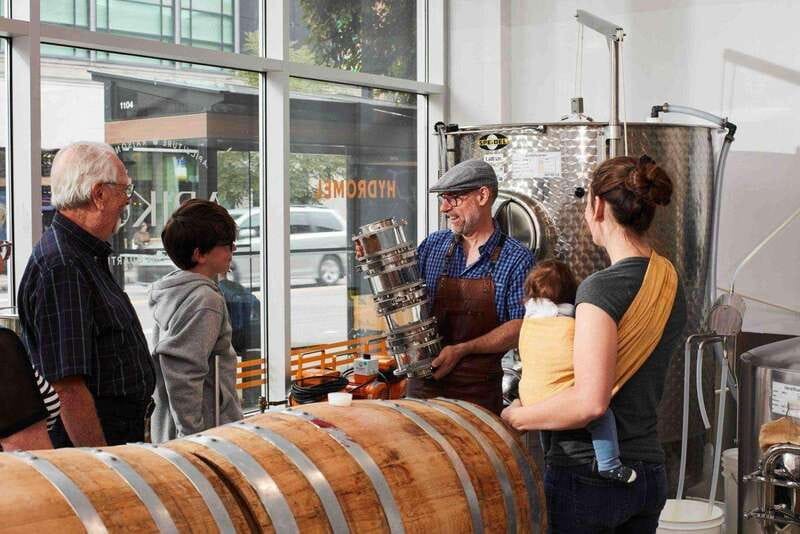
If you want a tour that feels personal, look for the fact that guided tours are led by one of the co-owners who is a beekeeper and distiller. Several reviews mention guides who were engaging, funny, and easy to talk to, which is exactly what you want when the topic is a mix of nature and production.
The indoor observation hive: bees at work without the cold
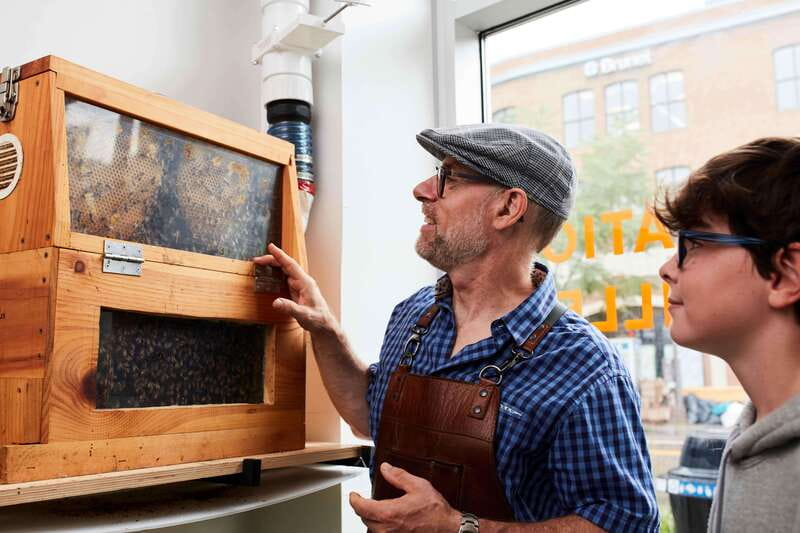
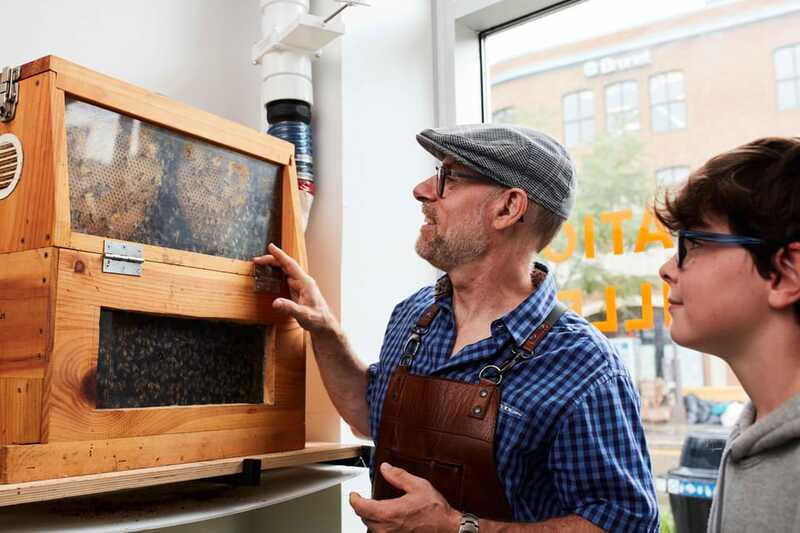
The highlight is the live, small all-season observation hive. You get to see bees working in real time, which is a totally different experience than looking at a honey display or reading about bees on a sign.
What to expect in this part: your guide interprets bee activity, likely explaining how the hive works and what parts of the process you are watching. The most useful thing you can do is lean in and ask quick questions. This is one of those tours where questions make the whole experience better because the guide actually lives this work.
From reviews, the guide experience is consistently strong. People mention that the person leading the tour was exceptionally knowledgeable about bees and beekeeping work, and one review specifically names Fred as engaging and funny while walking through the hive and honey collection methods. That kind of personality matters here because you are staring at a living system. The better the explanation, the more you notice.
Time-wise, this part is part of the guided 45 minutes. In other words, you are not guaranteed to have endless time staring at the hive, but you do get a guided, structured look. For most people, that is the sweet spot.
From honey extraction to fermentation: what changes inside the tank
After the beehive moment, the tour moves into the transformation side. You go from bees and honey extraction into fermentation, distillation, ageing, formulation, and bottling. That sequence is where Apikol earns its keep, because it explains how you go from a natural product to an alcoholic one.
Here is what I think is valuable for you as a visitor: the steps are laid out in plain language, so you can connect the dots between what bees produce and what you later taste. Honey has sugars and flavor compounds, but it does not become mead or spirits by itself. Fermentation is where yeast turns sugars into alcohol, and distillation is where you concentrate and refine spirit character.
You do not need to be a fermentation nerd to appreciate it. You just need a guide who can explain the basic purpose of each step. Reviews repeatedly point to clear explanations and a guide who invites questions, which suggests you will not be left with vague statements like honey becomes alcohol somehow.
More Distillery tours in Quebec City:
- Quebec City: Craft Brewery and Beer Tasting Tour
★ 5.0 · 13 reviews - Toronto Distillery District Walking Tour
★ 5.0 · 327 reviews - Toronto: Distillery District Historic Walking Tour
★ 4.8 · 267 reviews - 30-Minute Distillery District Segway Tour
★ 5.0 · 214 reviews
Distillation, ageing, and bottling: why honey-forward spirits taste the way they do
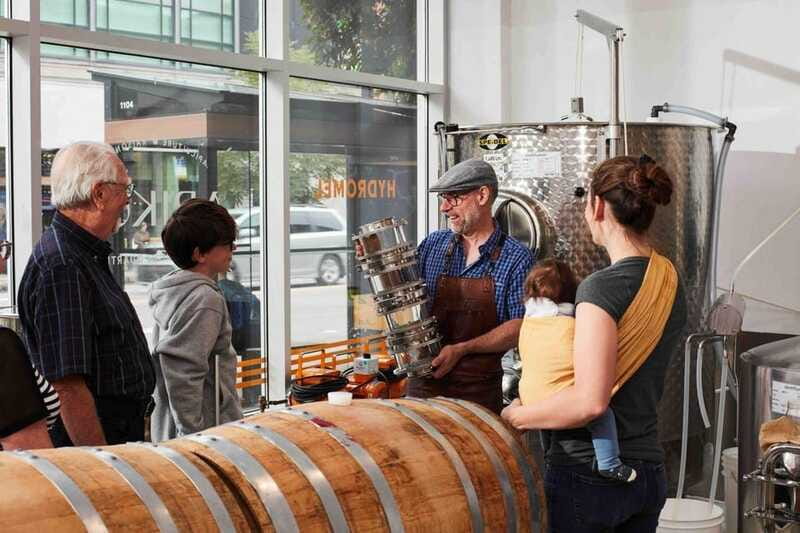
The distillery portion is not an abstract factory stop. You are walking through the logic of how spirits are made from homemade honey, with an emphasis on maintaining a small ecological footprint. Ageing and formulation come up too, which matters because those are the steps that shape taste and smoothness.
A practical tip: pay attention to the difference between mead and distilled spirits as you move through this section. Mead is typically fermented honey, while spirits involve distillation, which changes texture and intensity. If your tasting includes both types, you will be able to notice the difference more clearly.
Also, this is where the eco-friendly angle becomes more than a slogan. The tour talks about maintaining a small ecological footprint and the broader eco-friendly project. In reviews, people highlight how much they enjoyed the owners and the eco-minded approach, including conversation with people who actually run the operation.
The tasting session: 3 products, one expert, and a chance to ask real questions
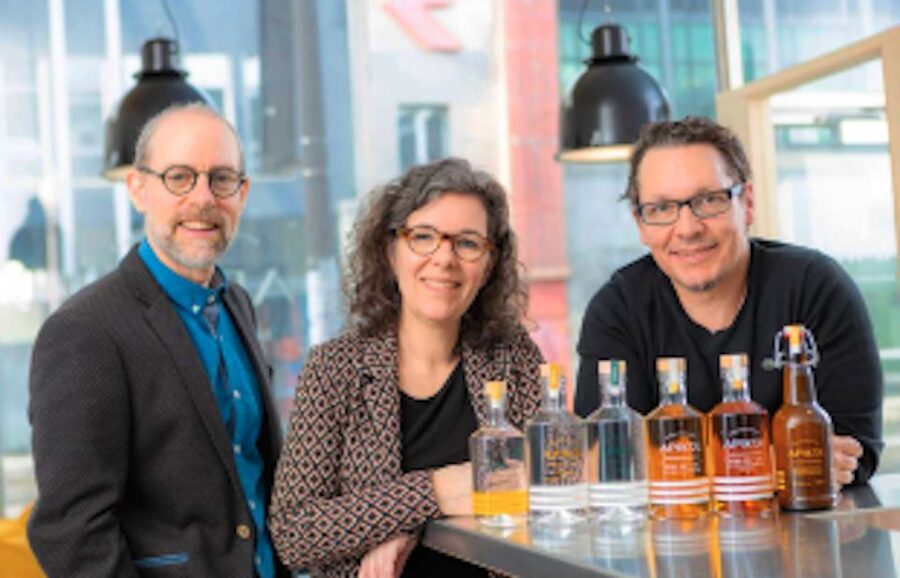
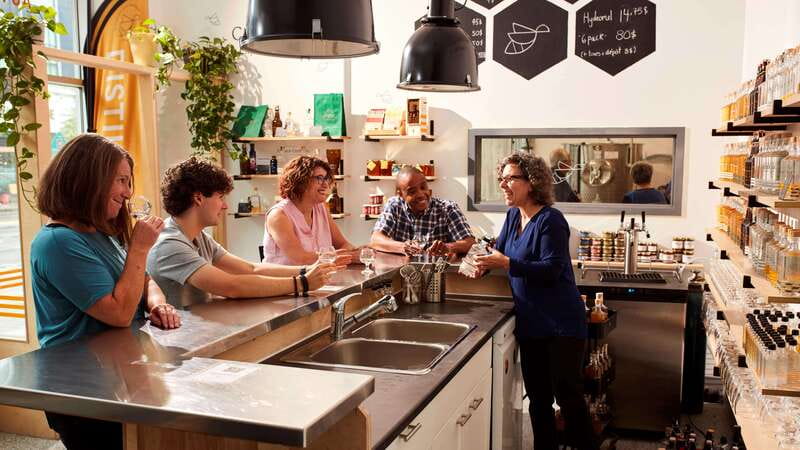
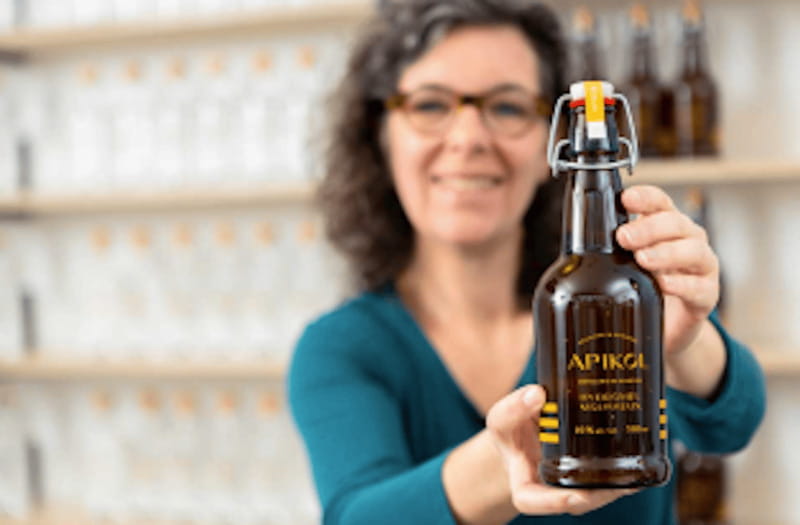
The tasting portion is led by an in-house expert and lasts about 15 minutes. The standard tasting includes three products, including their effervescent mead. There is also mention of a possibility to add the other options for a small supplement, so you can adjust based on how curious you are.
What I like about this tasting format is that it is paced. You are not stuck with a huge list. You get a curated set and a short explanation for what you are sipping, which is perfect when you also have to stand through the bee and distillery sections.
Many reviews point out the tasting was delicious and that the range can include honey-based spirits. One person specifically mentioned honey-to-taste options like gin, vodka, eau-de-vie, and mead. Another notes their favorite was the gin. Since the tasting is described as three products, you should treat specific brands or spirit types as possible, not guaranteed. The one sure thing is that mead is included, and the effervescent mead is called out.
If you want a tiny extra treat, you might also be able to end your tasting with pure and fresh honey harvested from one of the hives in the city. That is optional, but it is a neat way to connect the tour theme all the way back to the source.
One more detail from reviews: the tasting staff is friendly and personable. A review mentions Constance as a server who was personable and knowledgeable, which tells me you should expect more than just pouring. You should get real talk while you taste.
Timing, group size, and how to make it work with your Quebec City day
This is a 1-hour experience, and the small group limit is up to 8 participants. That is a big plus. When the group is small, you can actually hear the guide, and you can ask questions without feeling like you are taking up space.
The tour is indoors and uses a separate entrance to help you skip the line. That is practical in a city where sidewalks and scheduling can get tight. In winter, “indoors” is not a minor detail. It keeps the visit comfortable, and it lets you focus on the content.
One timing consideration: the itinerary timing you may see described can vary in how the tasting is framed. The official breakdown says 45 minutes for the guided tour and about 15 minutes for tasting. Either way, the total is short. Plan for it as a mid-day or early afternoon stop, not as an all-day excursion.
If you like compact, high-impact experiences, this is your kind of tour. If you need long, slow, sit-down factory time, you might prefer something else.
Who this tour is best for (and who should skip it)
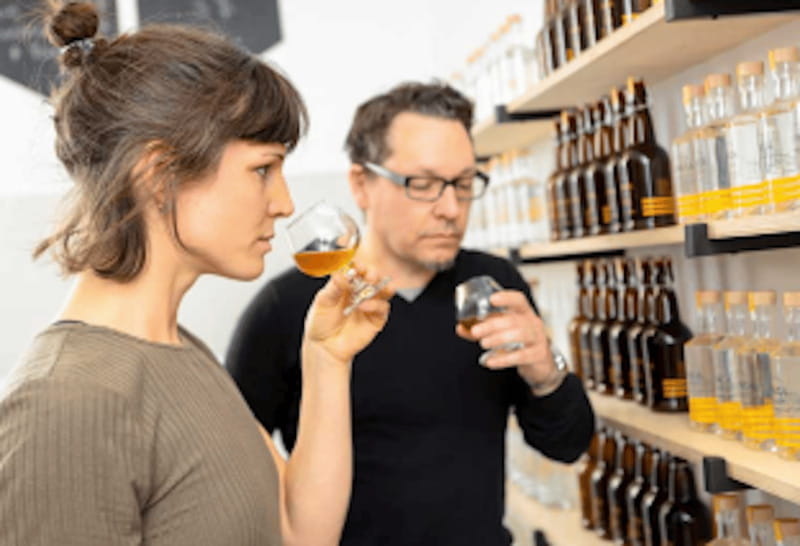
This is ideal if you want a mix of nature and food and drink. The bee experience is the anchor, and the distilling education is the payoff. I also think it is great if you like urban farm stories, because Apikol’s premise is an urban honey and spirits operation in downtown Quebec City.
You will probably enjoy this most if:
- you like hands-on explanations and short, focused tours
- you enjoy tasting with context, not just tasting for the sake of tasting
- you want to see bees in a way that is comfortable in any season
You might skip it if:
- you want a longer tour with lots of time at each station
- you are not interested in the honey-mead-distillery connection at all
- you dislike alcohol tastings, even though there is a non-alcoholic option for visitors under 18
Price and value: what $21 buys you
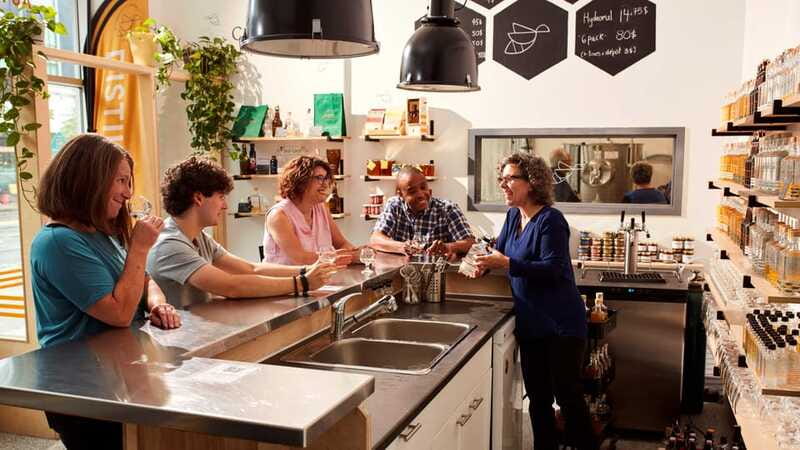
At $21 per person, you are paying for three things: the live bee observation experience, the guided walk through the making process, and a guided tasting. A lot of tours charge more for only one or two of those parts.
The value comes from structure. You are not just walking into a shop for samples. You are getting a co-owner-led explanation that ties the hive to fermentation, distillation, and the bottles you taste. The small group size also supports value because it affects how much you can ask and how well you can follow along.
If you are already planning to visit the Saint-Roch area, it also slots in nicely as an hour-long stop. That reduces the cost of planning time, which is an overlooked part of “value.”
Should you book Apikol Honey and Distillery Tour with Tasting?
Book it if you want something genuinely different for Quebec City that stays comfortable indoors and actually explains what you are eating and drinking. This tour is strongest when you care about the process, not just the product.
I would feel confident booking if you are curious about bees, like mead and honey-based spirits, and appreciate eco-friendly business stories explained by the people running them. If that sounds like your style, you will likely leave with two wins: a memorable live bee moment and a clearer sense of how honey becomes what ends up in the glass.
If you tell me what time of year you are going and whether you prefer mead or distilled spirits, I can suggest how to pair this with the rest of a Quebec City day.
FAQ
What is the duration of the Apikol honey and distillery tour?
The tour runs for 1 hour, including a guided visit and a tasting.
Is the tour indoors?
Yes, this is an indoor tour.
How big is the group?
The group is limited to 8 participants.
What languages are available for the tour?
The tour is offered in French and English.
What will I taste during the tasting?
You will taste three different products (meads and spirits). The effervescent mead is included in the three-product tasting.
Can tasting include more than three products?
There is an optional possibility of adding other products for a small supplement.
What happens for visitors under 18?
Visitors under 18 get a non-alcoholic beverage.
Where do I check in for the tour?
Check in at the Apikol distillery front desk and let them know you have booked a distillery tour.
More Food & Drink in Quebec City
- Quebec: Old Quebec City Food Tour with 10+ Local Tastings
★ 4.9 · 185 reviews - Quebec City: Old Quebec 5-Course Gourmet Food Tour
★ 5.0 · 107 reviews - Quebec City: Historical Walking and Tasting Tour
★ 4.8 · 70 reviews - Quebec: German Christmas Market Tasting Tour
★ 4.0 · 15 reviews
Recently listed around Quebec City
- The Montagnarde: Guided horseback ride on mountain trails.★ 4.9 · 13 reviews
- Stoneham: Nordic spa Thermal Experience★ 4.9 · 20 reviews
- Quebec City: Rafting or kayaking – Jacques-Cartier Canyon★ 4.7 · 7 reviews
- Quebec City’s History in Virtual Reality★ 4.5 · 141 reviews
- Quebec : Old Town Walking Tour With A Local Guide★ 4.5 · 38 reviews
- Quebec Interactive Street Theatre: “Crimes in New France”★ 4.6 · 175 reviews
- Quebec: Christmas Interactive Walking Tour of New France★ 4.3 · 7 reviews
- Quebec City Sunset Sea-Kayaking Tour with Mapple Wine★ 3.5 · 3 reviews
Distillery & Brewery Tours, compared.

St Lawrence & Distillery Food Tour with 6 Tastings
Read our review →
Montreal Old Port: Craft Brewery and Beer Tasting Tour
Read our review →
Browse the lists this tour appears in