
REVIEW · CANOES & KAYAKS
Algonquin Park: Canoe Camping Safari
Moose sightings and quiet paddling hit fast.
This 3-day canoe camping safari in Algonquin Provincial Park is built around expert guidance and spending real time on the water and at camp.
What I like most is the small group size (limited to 8), which keeps things calm and makes it easier to get personal help. I also love how the trip focuses on wildlife moments, including that strong emphasis on moose viewing and photography, plus fishing and lots of time outdoors.
One consideration: weather can change everything, and the tents may not be ideal in heavy rain, so pack serious protection and plan to get wet if storms roll through.
In This Review
- Key things you’ll notice on this canoe camping safari
- Canoe Lake meetup, where the trip really starts
- How 3 days on Algonquin waterways plays out
- Moose photography odds and wildlife watching that feels intentional
- Camp nights: hammocks, good food, and bear-safe packing
- The itinerary adds real activities, not just paddling
- Price, value, and what you are really paying for
- What to bring, what not to bring, and the rain reality
- Who this tour fits best, and who should skip it
- Should you book Algonquin Park Canoe Camping Safari?
- FAQ
- How long is the Algonquin Park canoe camping safari?
- What is the group size?
- What ages can join?
- What’s included in the camping and sleep setup?
- Is canoe equipment included?
- What activities are included besides paddling?
- What should I bring and wear?
- Are sandals allowed, and is insect repellent permitted?
- Can I cancel, and do I pay right away?
Key things you’ll notice on this canoe camping safari
- Wildlife and moose odds get real attention, including a quoted 90% success rate for moose photography and fishing
- Expert guiding on paddling and safety, plus hands-on help in the field and at camp
- Meals by fire with gourmet camp food, plus s’mores and Henrietta’s included
- Provided comfort gear like tent, air mattress, sleeping bag with fresh liner, and a hammock
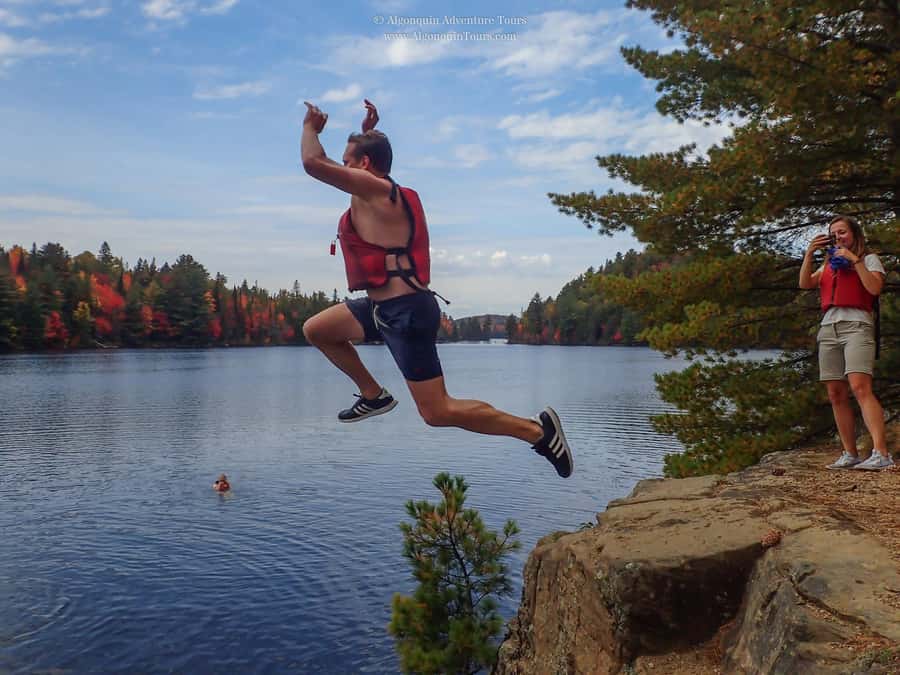
- Activity mix beyond paddling, with fishing, swimming, hiking, and cliff jumping
Canoe Lake meetup, where the trip really starts
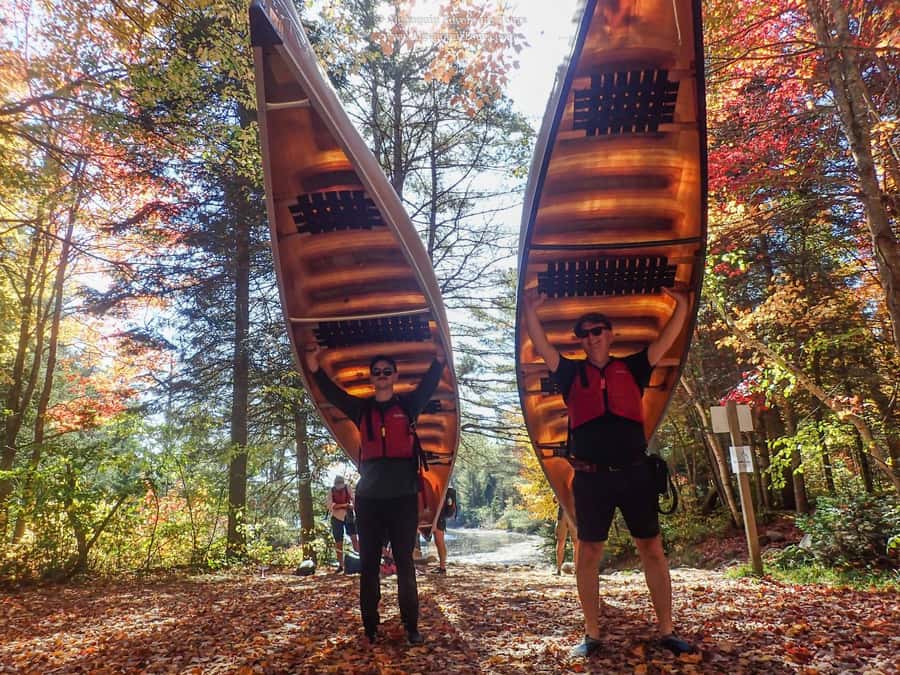
Your day begins at the Canoe Lake beach area inside Algonquin Provincial Park. The directions point you to the Ontario Parks canoe access area on the rocky beach near the Ontario Parks building at the far end of the beach. If you want the exact coordinates, they list 45.535032, -78.706570.
Driving in has two common routes depending on which gate you use. If you enter from the West gate, look for the turnoff after KM 14. If you enter from the East gate, the turnoff is around KM 15. The key move is to find the large Canoe Lake and Portage Store sign, drive up Canoe Lake Road about 150 meters, park in the first parking lot, then walk down to the water with your bags.
This matters because with canoe trips, your first hour sets your tone. If you show up with the right shoes, rain gear, and calm expectations, you’ll get the full benefit of the instruction and start paddling with confidence.
If it’s raining hard, you meet on the outside deck of the Ontario Parks Canoe Lake permit building. That’s a nice touch for a trip where water is part of the deal.
Kayak and Canoe trips readers book most in Algonquin Park:
- Algonquin Park: Guided Canoe Day Tour
★ 4.8 · 71 reviews - 3 Day Algonquin Park Canoe Trip – Moose & Beaver Safari
★ 5.0 · 27 reviews - Banff National Park Big Canoe Tour
★ 5.0 · 303 reviews
How 3 days on Algonquin waterways plays out
This safari is designed for people aged 7 and up, and it’s intentionally active. You’re not just sightseeing from a shoreline. You’re learning how to move through the park by canoe, then you’re living the camp routine on the water’s schedule.
In practical terms, here’s what you can expect across the 3 days:
Day 1: orientation and getting moving
You’ll start with canoe basics and safety, including using the canoe, paddle, and life jacket that are provided. Because you’re repeatedly stepping in and out of the boat during paddling, the tour is very clear that you need safe footwear for walking in knee-deep water with rocks and cut beaver wood. Expect a mix of instruction and short hands-on practice so everyone can handle the rhythm early.
You’ll also begin learning how guides read the environment for wildlife. Algonquin is quieter than people expect, but it also rewards patience. The whole point is spending time where animals choose to be, not just where humans choose to look.
Day 2: more paddling time plus camp fun
Once everyone is comfortable, the middle day is where the trip’s variety shows. You’ll have opportunities for fishing and swimming, plus hiking and cliff jumping as part of the included activities. You’ll also keep aiming for wildlife encounters, especially moose habitat areas and the kinds of spots where guides can help you position for a photo.
This is also a day where wind can matter. One review notes that paddling back against wind can be a workout. That’s not a problem with the tour, but it is something you should mentally budget for, especially if you’re new to paddling.
Day 3: final time on the water and wrap-up
By the last day, you’re usually more confident in your movements. The trip gives you time for the outdoors without turning it into a rushed checklist. You’ll keep enjoying the wildlife-spotting vibe, then work your way back with the help of your guide.
What makes this format good is that it mixes calm moments with motion. You get the stillness of loon calls and wildlife watching, but you’re also physically engaged, which helps the whole experience feel like wilderness living rather than an outing.
Moose photography odds and wildlife watching that feels intentional
Algonquin Park is famous for wildlife, but it can also be hit-or-miss if you’re just wandering. This tour’s value is that it treats wildlife as part of the plan, not a lottery ticket.
The operation quotes a 90% success rate in moose photography and fishing, and that is built around guide skill, positioning, and timing. You’re likely to be told where to look, how to move quietly, and how to watch for signs rather than just stare at open water and hope.
One thing I’d watch for is how different guides can shape the experience. If your guide is Gill, expect clear instructions and a friendly, safety-first vibe, plus a lighter touch with jokes and challenges for younger participants. If your guide is Jess, you might get that combination of lots of information, excellent menus, and a steady camp rhythm that gives everyone enough time for their own quiet moments. And if you get Guil, expect resilience and good energy even when small things go off plan, because the guides clearly handle the real-world bumps of a backcountry trip.
Even without guaranteeing animals, you’re increasing your odds by doing it the right way. You’re also learning how to see. That’s the part you’ll remember long after the photos.
Camp nights: hammocks, good food, and bear-safe packing
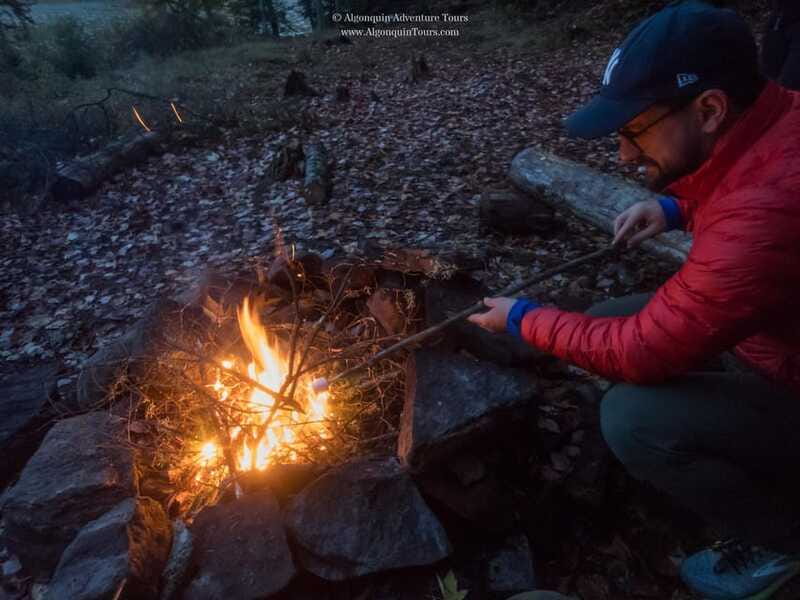
Camp is the heart of a canoe camping safari, and this one is unusually practical about comfort and meals.
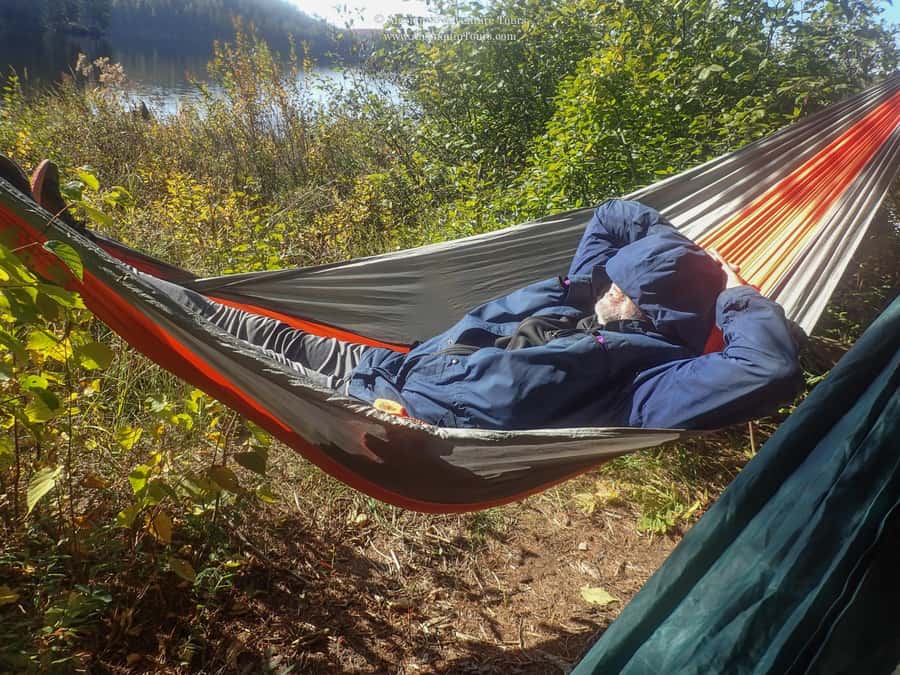
You’re provided with a tent, air mattress, camping pillow case, and a sleeping bag with a fresh liner. There’s also a hammock and a bug jacket included. That combination helps if you’re the type who wants a real break after being on the water.
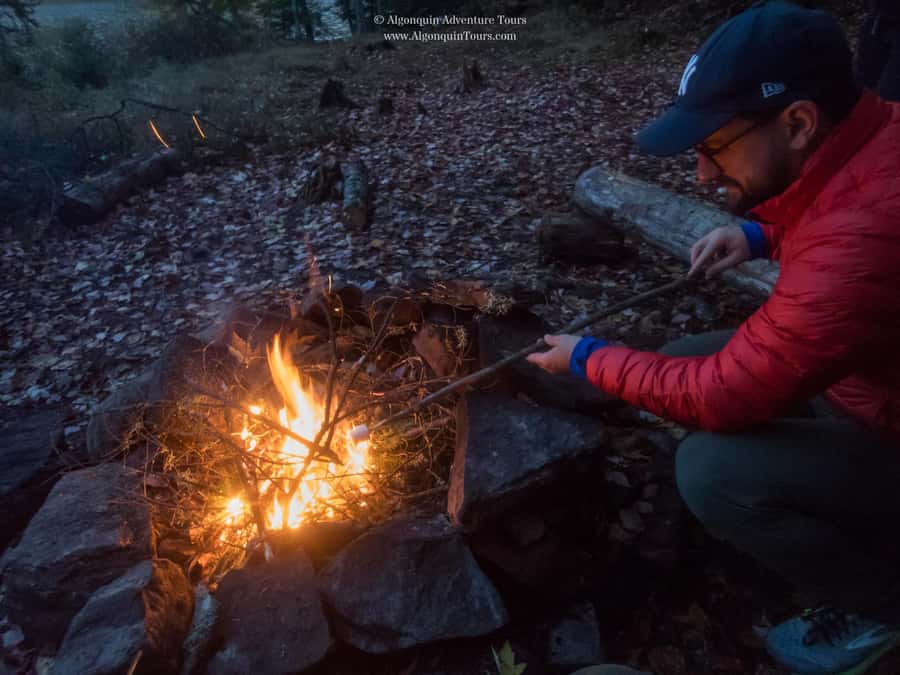
Food is another standout. The trip includes gourmet meals, and camp nights include s’mores and Henrietta’s. A well-fed group is a happier group, and good camp meals also make the effort feel worth it. One review specifically praised the guide’s menus and the way food was handled.
Now the bear-safety part is not optional, and it affects what you bring:
- Do not bring cosmetics, food or gum, or scented personal items.
- Space is limited, and scented items can attract bears.
- Pack only your toothbrush and paste for toiletries.
- You’ll get biodegradable soap for bathing.
This matters for you because it changes the way you pack. If you normally bring a small toiletry bag with lotion, perfume, or heavily scented products, this trip will force a smarter, simpler approach. It also means you should be okay with less “bathroom comfort” and more “backcountry practicality.”
A few more Algonquin Park days to compare
- From Toronto: Algonquin Park Canoeing & Hiking Adventure
★ 4.6 · 291 reviews - Algonquin Park 3-Day Deluxe Camping & Canoeing Adventure
★ 4.5 · 52 reviews - Algonquin Park 4-Day Deluxe Camping & Canoeing Adventure
★ 5.0 · 33 reviews - Banff National Park: Big Canoe River Explorer Tour
★ 4.7 · 286 reviews
The itinerary adds real activities, not just paddling
If you’re thinking canoe camping sounds like sitting still, this tour pushes back on that.
Included activities go beyond paddling:
- Fishing
- Swimming
- Hike
- Cliff jumping
Cliff jumping can be a fun moment, but it’s also the kind of activity that reveals who the trip suits. If you hate heights or don’t want to risk wet landings and sudden splashes, you can likely sit out, but the trip is clearly set up to offer it as part of the experience.
Also note this: the tour repeatedly requires stepping in and out of the canoe into rock-and-wood water. So your comfort is tied directly to footwear and water readiness. The tour specifically says good rain gear is essential, and that safe shoes for walking and swimming are crucial.
A small but important detail: insect repellent is not allowed, even though mosquitoes are part of the story in Ontario. The trip includes a bug jacket, so you’re relying on that gear and clothing coverage instead of repellent.
Price, value, and what you are really paying for
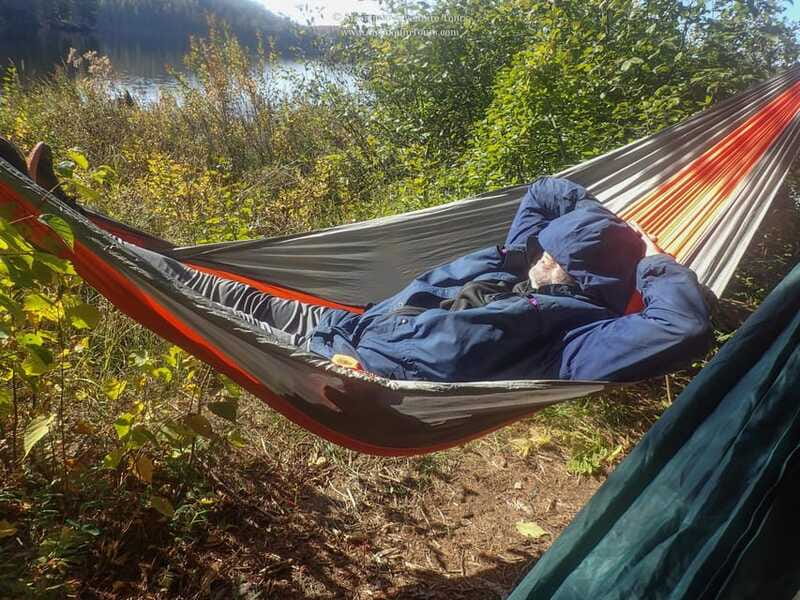
At $519 per person for a 3-day trip, this is not a casual “try it once” expense. But it can be strong value if you want the full guided package, including permits, gear, and meals.
Here’s what helps justify the price:
- A professional guide throughout
- Canoe equipment plus life jackets, paddles, and on-the-water coaching
- Wilderness camping support, including tent and sleeping system basics
- Hammock and bug jacket included
- Gourmet meals, plus s’mores and Henrietta’s
- All parking (one per booking) and camping permits
- Wildlife viewing, fishing, swimming, hiking, and cliff jumping
- Small group size capped at 8, which usually means more attention and less waiting
In other words, you’re paying for logistics that are hard to DIY in Algonquin. Permits, safe setup, meal planning, wildlife positioning, and keeping everyone moving together safely. That’s the real cost saver.
If you’re new to canoe camping, the guided approach helps avoid common beginner mistakes, like underpacking rain gear, choosing bad footwear, or not understanding bear-safe rules. Those mistakes can ruin a trip fast.
The flip side is that you’re still outdoors, and that includes weather. One review reported that tents felt too small and did not stand up well in a rain storm, leading to a wet experience. So the price buys guidance and included gear, but it does not buy perfect weather or luxury shelter.
What to bring, what not to bring, and the rain reality
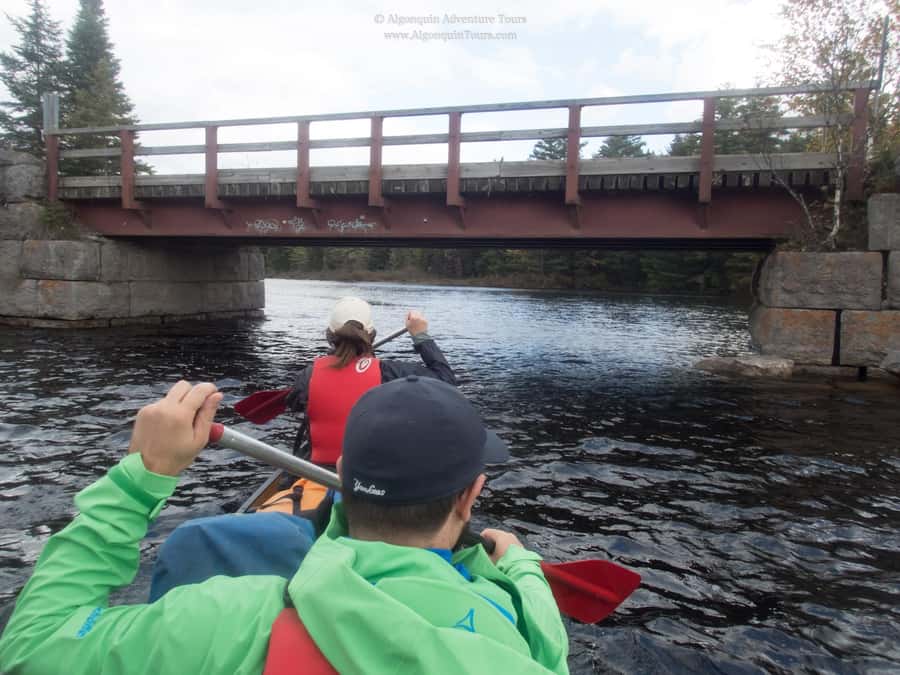
This trip has a clear packing list. Follow it, because almost everything is connected to water, weather, and wildlife safety.
Bring:
- Warm clothing
- Sunglasses and a sun hat
- Swimwear
- Change of clothes
- Towel
- Camera
- Sunscreen
- Water shoes
- Flashlight
- Closed-toe shoes
Do not bring:
- Sandals or flip flops
- Smoking
- Food or alcohol outside the rules
- Open-toed shoes
- Insect repellent
- Food, gum, and scented cosmetics
- Personal camping gear like your own tent or sleeping bag
Alcohol is also restricted. You can bring up to 4 ounces if it’s in an appropriate container, and it must be turned over to the guide for storage. Consumption is only after dinner and out of the water. Smoking anything is never permitted.
Rain gear is the biggest make-or-break item. The trip notes that in extended rain storms, wind and water protection matter. And because you step in and out of the canoe while paddling, you will get soaked unless you’re ready for it.
My practical advice: treat this like you’re going to wear the same “outdoor uniform” for a while, because wet feet and damp clothing can turn into cold quickly if you’re not prepared with layers and a dry change.
Who this tour fits best, and who should skip it
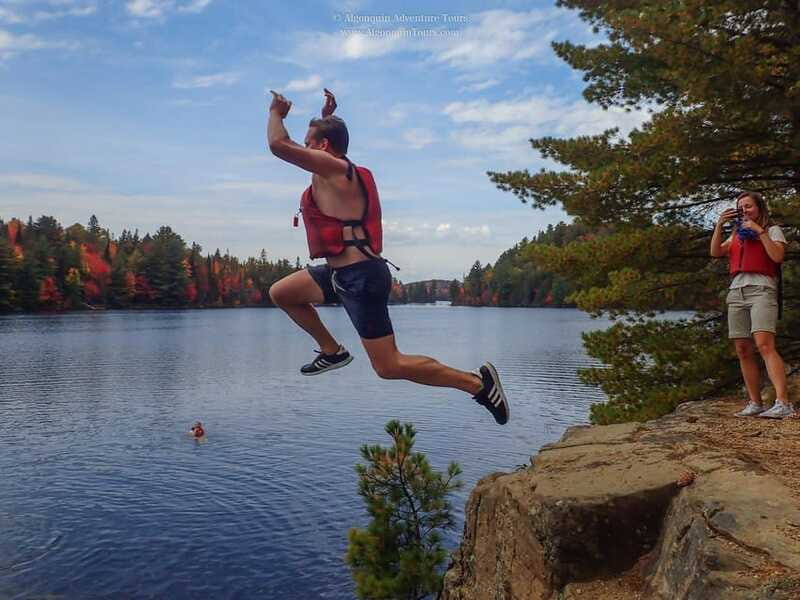
This safari is built for effort. It’s for people who can handle active days on the water and moving around in knee-deep water with rocks.
It’s suitable if you:
- Want a guided wilderness experience rather than DIY planning
- Enjoy wildlife viewing and want help with moose odds and photography
- Are comfortable with camping and simple backcountry routines
- Like a mix of paddling plus camp activities like fishing, hiking, and cliff jumping
- Want a small group setting with up to 8 participants
It might not fit if you:
- Strongly dislike getting wet in unpredictable weather
- Are not comfortable with some physical effort like paddling against wind
- Are hoping for a big, weatherproof glamping setup
The age line is clear: children under 7 are not suitable.
Should you book Algonquin Park Canoe Camping Safari?
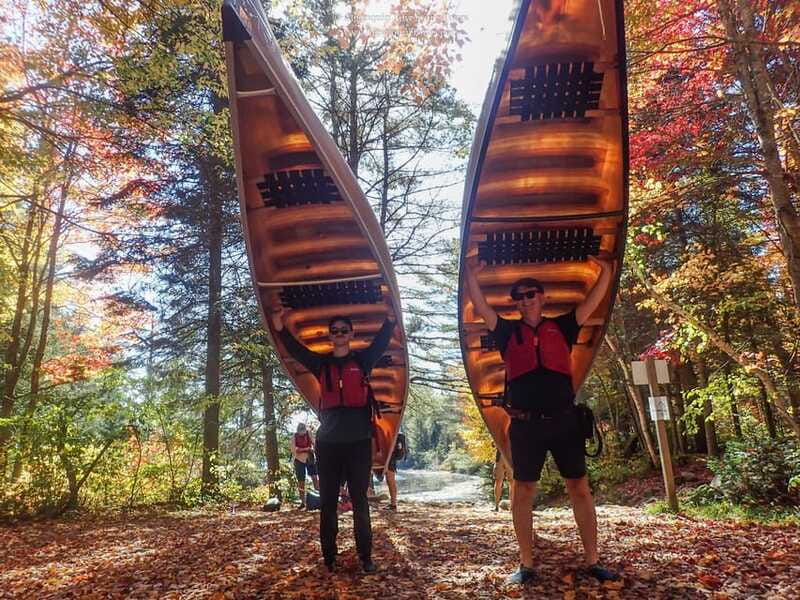
If you want an Algonquin canoe camping experience that is actively guided, focused on wildlife, and supported with included camping gear and meals, this is a strong candidate. I’d especially lean toward it if moose spotting is a priority and you value safety and clear instruction from guides like Jess, Gill, or Guil.
Book it with one expectation firmly in place: rain and outdoor conditions are part of the deal. Bring serious rain protection and closed-toe water shoes, and be mentally ready for a workout day when wind pushes back.
If that sounds fun instead of stressful, this trip is the kind that can turn into a story you keep retelling.
FAQ
How long is the Algonquin Park canoe camping safari?
It runs for 3 days. Starting times depend on availability.
What is the group size?
The group is small, limited to 8 participants.
What ages can join?
Participants must be age 7 or older. Children under 7 are not suitable.
What’s included in the camping and sleep setup?
You get a tent, an air mattress, a camping pillow case, and a sleeping bag with a fresh liner, plus a hammock.
Is canoe equipment included?
Yes. The tour includes canoe, paddle, and a life jacket.
What activities are included besides paddling?
Fishing, swimming, hiking, and cliff jumping are included.
What should I bring and wear?
Bring warm clothing, sunglasses, a sun hat, swimwear, change of clothes, a towel, a camera, sunscreen, water shoes, a flashlight, and closed-toe shoes.
Are sandals allowed, and is insect repellent permitted?
No. Sandals or flip flops and open-toed shoes are not allowed, and insect repellent is not permitted.
Can I cancel, and do I pay right away?
There is free cancellation up to 24 hours in advance for a full refund. You can reserve now and pay later.
More Safari in Algonquin Park
- Banff: Evening Wildlife Safari Guided Tour
★ 3.9 · 465 reviews - Ottawa: Private Parc Omega Wildlife Safari – Winter Magic
★ 5.0 · 64 reviews - From Montreal: Omega Park Wildlife Safari Calling Sounds
★ 4.8 · 29 reviews - Canmore: PRIVATE SAFARI Drive to BANFF Park & Nature Walk
★ 4.9 · 9 reviews
Recently listed around Algonquin Park
- 3 Hour Algonquin Park Bass & Trout Fishing (private- price is for 1 or 2 people)★ 5.0 · 5 reviews
- 3 Day Algonquin Park Canoe Trip – Moose & Beaver Safari★ 5.0 · 27 reviews
- Madawaska River Family Rafting★ 4.5 · 15 reviews
- Mad Adventure rafting★ 4.8 · 4 reviews
- Algonquin Park: Guided Canoe Day Tour★ 4.8 · 71 reviews
- Algonquin Park 4-Day Deluxe Camping & Canoeing Adventure★ 5.0 · 33 reviews
- Algonquin Park 3-Day Deluxe Camping & Canoeing Adventure★ 4.5 · 52 reviews
- From Toronto: Algonquin Park Canoeing & Hiking Adventure★ 4.6 · 291 reviews
Canoes & Kayaks, compared.
Banff National Park: Big Canoe River Explorer Tour
Read our review →
Snorkel, Kayak, and Seal Adventure: Vancouver Boat Tour
Read our review →
River Explorer | Big Canoe Tour in Banff National Park
Read our review →
Banff/Canmore Moraine Lake & Lake Louise– Hike, Canoe or Sightsee
Read our review →Browse the lists this tour appears in