
REVIEW · CANOES & KAYAKS
3 Day Algonquin Park Canoe Trip – Moose & Beaver Safari
Canoeing Algonquin by day, sleeping deep at night. This 3-day Algonquin Park canoe trip is built for getting into the deep interior, with canoe training, camping gear, and a real focus on wildlife like moose and beaver. You’ll also get a small-group pace, so the day does not feel rushed or crowded.
I love the small-group size (up to 8 people), because it keeps things personal when you’re learning paddling basics, portaging, and camp routines. I also love that your guide comes with advanced naturalist training plus WFR and food handling certification, so the trip feels safe and well-taught, not just outdoorsy.
One possible drawback is the bugs. Even with provided bug jackets, you can face serious mosquitoes in Algonquin, and at least one guide’s group advice was to bring strong repellent like Deet over 30%.
In This Review
- Key things that make this Moose & Beaver safari worth your time
- First impression: how a 3-day canoe trip feels different in Algonquin
- Getting started at Canoe Lake: meeting, lunch, and canoe instruction
- Day 1 on the water and in camp: learning the routine without the stress
- Day 2: the pace shift with epic breakfast, loons, and wildlife searching
- Day 2 extras: portaging, hiking, fishing, and optional cliff jumping
- Day 3: packing up, a memorable breakfast, and an easier return paddle
- The guide factor: what the reviews and included training tell you
- Gear and comfort: what’s included, what you should still plan to bring
- Food on canoe trips: why camp meals can make or break the memory
- Price and value: is $555.96 per person fair for what you get?
- Who should book this Algonquin canoe camping safari
- Should you book the Moose and Beaver 3-day canoe trip?
- FAQ
- How many people are in the group?
- Where do we meet and when does the trip start?
- What canoe and camping gear is included?
- Is moose and beaver viewing included?
- What about food and dietary needs?
- Is fishing included, and do I need equipment?
- What is the cancellation window for a full refund?
Key things that make this Moose & Beaver safari worth your time
- Small-group canoe camping with a maximum of eight people, plus one guide
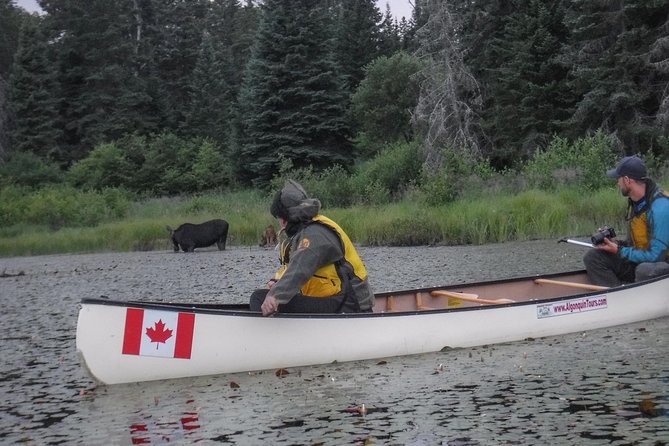
- Wildlife searching built into the schedule, with moose and beaver observation success listed at 90%
- Everything you need for camp, including tent, sleeping bag with fresh liner, air pad, pillow, and a hammock for each person
- Hands-on canoe training, with canoe gear included (canoes for 3 people per, paddles, life jackets, safety kit)
- Camp food that tries to feel gourmet, using organic produce from a local farm
- In-season extras, like wild berries, swimming in clean lakes, hiking, and optional cliff jumping
First impression: how a 3-day canoe trip feels different in Algonquin
Algonquin Provincial Park is popular, which is exactly why this kind of trip is attractive. Instead of doing the park in quick hits, you’re set up for slower movement, more paddling time, and nights that feel genuinely remote. The point is simple: you learn the basics on the water, then you live the routine of canoe camping.
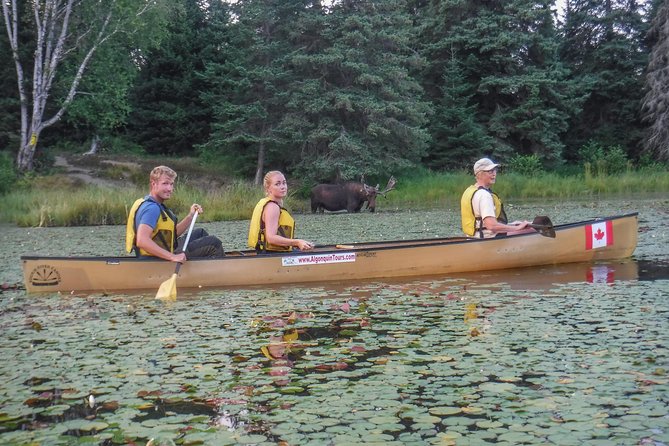
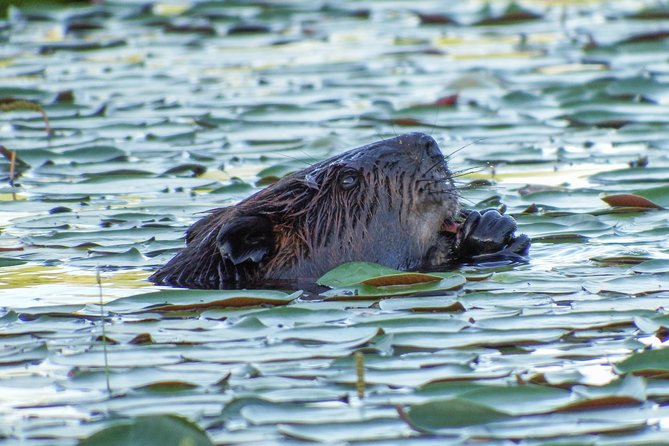
The “Moose & Beaver Safari” theme isn’t just a marketing line. The trip includes wildlife observation, and the provided success rate for seeing moose and beaver is 90%. That matters because in Algonquin, wildlife watching is partly skill and partly timing. When the day is structured around searching, you’re more likely to have the best chances than if you’re just passing through.
This is also a tour where you don’t have to self-manage the whole logistics machine. Camping permits, vehicle parking, and the core gear all come included. You show up, get trained, then focus on paddling, portaging, hiking, and relaxing.
Kayak and Canoe trips readers book most in Algonquin Park:
- Algonquin Park: Guided Canoe Day Tour
★ 4.8 · 71 reviews - Algonquin Park: Canoe Camping Safari
★ 4.9 · 16 reviews - Banff National Park Big Canoe Tour
★ 5.0 · 303 reviews
Getting started at Canoe Lake: meeting, lunch, and canoe instruction
You meet at the Canoe Lake Access Point Permit Office on Highway 60 at km 14.1 north. Start time is 12:00 pm, and the main meeting point is described as Canoe Lake beach, where you first connect with your guide and the rest of the group.
Day 1 starts with lunch and introductions. This is one of those practical details that pays off later. When you already know who you’re sharing a canoe with, it’s easier to coordinate during paddling instruction and when you’re moving gear in camp.
After that, you get canoe training from your guide. The goal is not just to teach strokes, but to make sure you can handle the real rhythm of canoe camping: paddling when you need to, staying safe, and cooperating as a team in a small group. One review highlighted how well the guide taught canoe skills, and that kind of coaching is usually what separates a trip you remember for the scenery from a trip you remember for feeling competent and relaxed.
From there, you paddle together into the interior. You’ll have the chance to use what you learn as you move across Canoe Lake early in the trip. Even if you’re a beginner, the schedule is built so you’re not dropped into the wilderness with zero support.
Day 1 on the water and in camp: learning the routine without the stress
Day 1 is about transition. You’re going from parking lot energy into wilderness mode, which is harder than people expect. What makes this trip easier is that camping setup and core gear are included, so you’re not spending your arrival day figuring out knots, liners, and how to keep everything dry.
You’ll also get the “comfort wins” that matter when you’re camping in cold or buggy conditions. Each participant has a hammock, and you’re also provided a bug jacket. If you need a mesh dining shelter, it’s included too. Those details matter because in Algonquin, bugs and weather can change fast, and comfort turns a hard day into an enjoyable one.
Food helps here as well. The trip includes gourmet camp cuisine with organic produce from a local farm. It’s not described as fancy restaurant service, but the tone of the reviews is that the meals are simply good and well organized, which is exactly what you want after a day of paddling and portaging.
Day 2: the pace shift with epic breakfast, loons, and wildlife searching
Day 2 is where the trip starts feeling like a true rhythm. The day begins with an epic breakfast. This is one of those simple choices that changes everything. When you start well fed, you paddle better, you hike more comfortably, and you’re more willing to stop for wildlife moments.
Then the itinerary gives you room to enjoy the day. You can swim, paddle, relax in your hammock, hike, and take photographs. One of the standout themes from the reviews is morning wildlife searching, especially around quiet water when animals are more active. If you care about seeing wildlife, you’ll likely appreciate that the schedule includes time for wildlife-focused paddling, not just “we’ll see what happens.”
That day also leans into small joys. The sound of loons comes up as part of the experience, and that’s a real Algonquin signature. You’re not only collecting wildlife sightings, you’re collecting atmosphere.
As for moose and beaver odds, the trip lists a 90% success rate for moose and beaver observation. No guide can guarantee an animal will be present, but this kind of stated success rate usually points to a route and timing strategy that’s been tested.
A few more Algonquin Park days to compare
- From Toronto: Algonquin Park Canoeing & Hiking Adventure
★ 4.6 · 291 reviews - Algonquin Park 3-Day Deluxe Camping & Canoeing Adventure
★ 4.5 · 52 reviews - Algonquin Park 4-Day Deluxe Camping & Canoeing Adventure
★ 5.0 · 33 reviews - Banff National Park: Big Canoe River Explorer Tour
★ 4.7 · 286 reviews
Day 2 extras: portaging, hiking, fishing, and optional cliff jumping
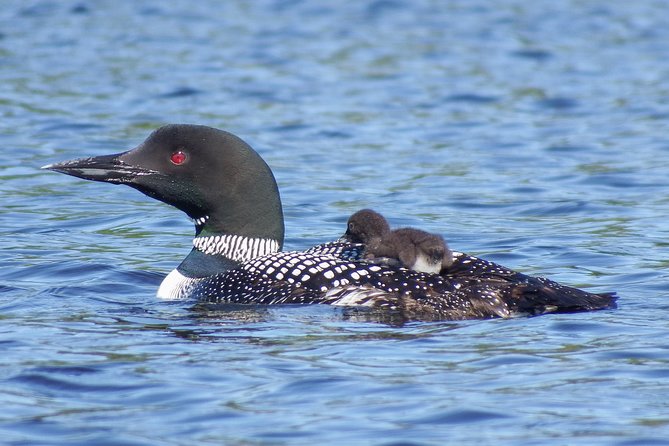
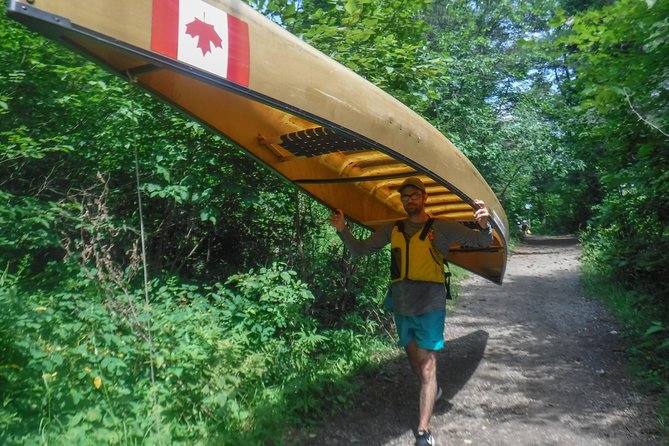
A canoe trip in Algonquin is never only canoeing. You should expect portaging and hiking as part of the experience. The “deep interior” goal means you’re moving through the park in a way most short tours cannot.
The trip also includes:
- Swimming in clean lakes
- Hiking
- Optional cliff jumping
- Wild berries and other edibles in season
- Fishing for bass and trout, with a 90% success rate noted
Fishing is worth flagging for planning. The trip says you can bring your own kit or rent equipment. That means you can travel light if you want, but you’ll want to check ahead on what rental covers for you.
Cliff jumping is labeled optional. In real life, that means the guide may point out the spot and offer a chance, but you still decide based on comfort and conditions. If you want more of a nature day, you can simply skip it.
Day 3: packing up, a memorable breakfast, and an easier return paddle
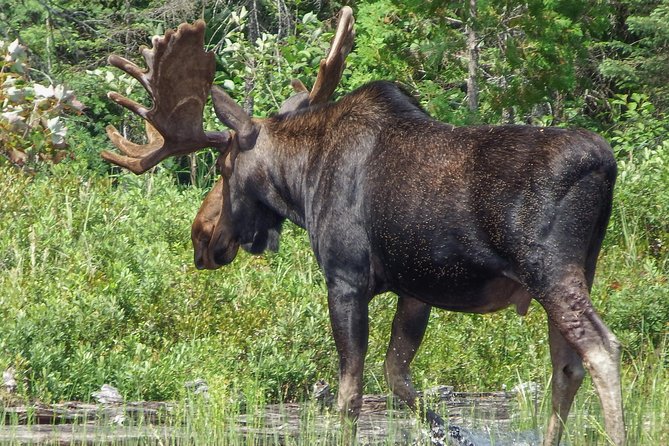
Day 3 starts with packing up supplies while your guide prepares a memorable breakfast. This is another nice piece of schedule design. After two days outdoors, a good morning meal keeps morale high and makes the end of the trip feel like a reward, not a burden.
Now you’re back to paddling. The return to Canoe Lake beach is about 15 km. The phrasing is that once everyone is a confident canoe master, the paddle back becomes easier. That lines up with what you want on day three: by now, you’re not just learning technique, you’re using it with less mental strain.
As you paddle back, you’ll probably notice how much quieter things feel than on day one. You’ve already been through instruction, camp routine, and at least one full day in the interior. The return is part victory lap, part closing ceremony, even though it’s all practical.
The guide factor: what the reviews and included training tell you
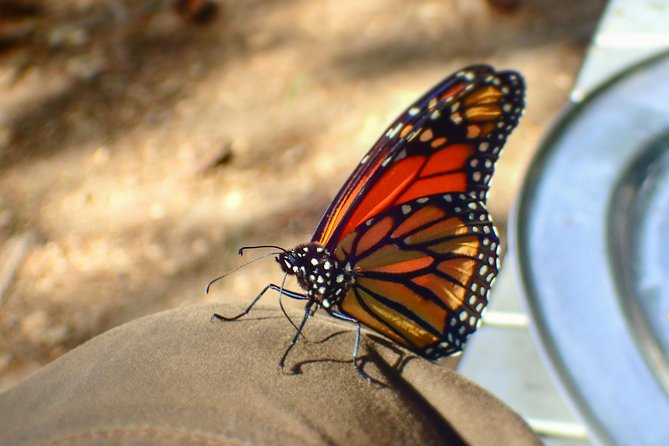
A lot of canoe trips succeed or fail based on the guide. This one lists a professional guide with advanced naturalist training and WFR and food handling certification. That’s not just safety jargon. In real canoe camping, those skills show up as better teaching, better pacing, and more confidence when conditions shift.
One review specifically called out Andrew as a guide, describing him as both nice and funny, and also highlighting that he taught canoeing well. Another review noted impressive equipment and strong organization. In a trip like this, that means fewer confusing moments when you’re wet, tired, and trying to do something as simple as stay organized in a canoe.
If you’re the type who likes learning while traveling, you’ll likely appreciate that the trip emphasizes education and intimate connection with Algonquin Park. That makes the time feel purposeful, not random.
Gear and comfort: what’s included, what you should still plan to bring
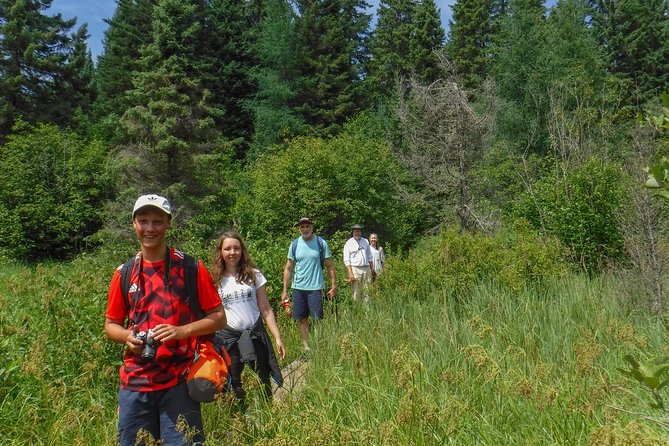
This trip includes a lot of what usually makes canoe camping stressful for first timers.
Included canoe gear:
- Canoes (3 people per)
- Paddle
- Life jacket
- Safety kit
Included camping gear:
- Tent
- Air pad (foam, if over 120 kg)
- Sleeping bag with fresh liner
- Pillow
- Hammock for each participant
Included comfort and bug protection:
- Bug jacket for each participant
- Mesh dining shelter if required
Included extras:
- Best campsites in Algonquin Park
- Gourmet camp cuisine using organic produce from a local farm
- Wild berries and edibles in season
- Souvenir water bottle
- High-quality tour photos via Facebook
What you should plan for based on the trip notes:
- You’ll likely want to bring a flashlight and towel if you want those instantly, but the trip says these can be rented.
- For fishing, bring your own kit or rent.
- If you have dietary restrictions, advise ahead of time. Simple restrictions are described as accommodatable (vegetarian, nut free, lactose free, no pork). More advanced restrictions like vegan and gluten free can be accommodated for an additional CAD 50 plus 13% tax.
Also plan for weather and bug conditions. The trip requires good weather, and mosquitoes can be intense. One review emphasized Deet over 30% as truly necessary. Even with bug jackets, bring strong repellent and plan on using it.
Food on canoe trips: why camp meals can make or break the memory
Food might seem like a side detail, but on a 3-day canoe trip, it matters. Your body is working. Your timing is different. If meals are chaotic or bland, the trip can feel harder than it is.
Here, the trip includes gourmet camp cuisine with organic produce from a local farm. That’s the kind of promise that usually translates into fewer “survival meals” and more satisfying camp nights. Reviews also praised the food as simple but tasty and emphasized good organization around meals.
Breakfast gets special attention in the itinerary, and that’s smart. When you start day with enough food, you paddle better and you spend less energy worrying about when the next meal is coming.
Price and value: is $555.96 per person fair for what you get?
At $555.96 per person, this isn’t a cheap weekend. But it also includes the stuff that makes canoe camping expensive and complicated on your own: canoes with paddles and life jackets, safety kit, tents, air pads, sleeping bags with liners, hammocks, bug jackets, meals, camping permits, and parking.
It also includes a professional guide with serious training, plus the education and wildlife searching focus. Those aren’t throw-in add-ons. They shape your odds of seeing moose and beaver, they shape your learning curve, and they shape how safe you feel when portaging or swimming.
So the value comes from two places:
1) You’re not buying or transporting gear for one trip.
2) You’re paying for a guide and planning that makes the deep interior accessible to beginners.
If you already own all gear and have canoe experience, the value might feel less exciting. If you don’t, or if you want a guided route without the guesswork, the price starts to look much more reasonable.
Who should book this Algonquin canoe camping safari
This trip fits best if you:
- Want to experience Algonquin’s deep interior without managing gear and permits
- Are comfortable with moderate physical activity (portaging, paddling, hiking)
- Like a structured outdoor plan but still want downtime (hammocks, reading, relaxing)
- Care about wildlife and want wildlife searching built into the schedule
- Prefer small group travel, with up to eight participants
It may be less ideal if you:
- Are sensitive to mosquitoes and don’t plan to protect yourself
- Want a super lightweight, minimalist trip where you bring everything yourself
- Expect luxury comfort like private rooms or indoor meals (this is camp life)
One bonus: families can fit. A review described a group of kids, and the group dynamic was noted as positive. If your kids are comfortable with outdoor camping and basic canoe training, the small group size can help everyone feel included.
Should you book the Moose and Beaver 3-day canoe trip?
If your goal is authentic Algonquin Park time with coaching and camp support, I think this is a strong choice. You get the essentials handled, a small-group experience, and wildlife searching built into the flow. The reviews also point to excellent organization, strong guiding, and good gear, which is what you want when you’re depending on someone else to keep things running smoothly.
Just go in with realistic expectations. The wildlife theme gives you good odds, not a guarantee. And plan for bugs with real repellent, even if you’re given bug protection.
If you want to learn canoe camping properly and come home with both wildlife sightings and a sense of confidence on the water, this is the kind of trip that can deliver.
FAQ
How many people are in the group?
The tour has a maximum of 8 travelers, with 1 guide.
Where do we meet and when does the trip start?
You meet at the Canoe Lake Access Point Permit Office (Highway 60 at km 14.1 north). The start time is 12:00 pm, and the activity ends back at the meeting point.
What canoe and camping gear is included?
Included gear covers canoes (3 people per), paddles, life jackets, and a safety kit, plus camping items like a tent, sleeping bag with fresh liner, air pad, pillow, and a hammock for each participant. Bug jackets and a mesh dining shelter (if required) are also included.
Is moose and beaver viewing included?
Yes. Wildlife observation for moose and beaver is included, with a 90% success rate noted.
What about food and dietary needs?
Gourmet camp cuisine is included, and simple eating restrictions like vegetarian, nut free, lactose free, and no pork can be accommodated if you advise in advance. Vegan and gluten free can be accommodated for an additional CAD 50 plus 13% tax.
Is fishing included, and do I need equipment?
Fishing is mentioned as available, with great bass and trout fishing and a 90% success rate noted. You can bring your own kit or rent fishing gear.
What is the cancellation window for a full refund?
You can cancel up to 3 days in advance for a full refund. If you cancel less than 3 days before the experience start time, the amount paid is not refunded.
More Safari in Algonquin Park
- Banff: Evening Wildlife Safari Guided Tour
★ 3.9 · 465 reviews - Ottawa: Private Parc Omega Wildlife Safari – Winter Magic
★ 5.0 · 64 reviews - From Montreal: Omega Park Wildlife Safari Calling Sounds
★ 4.8 · 29 reviews - Canmore: PRIVATE SAFARI Drive to BANFF Park & Nature Walk
★ 4.9 · 9 reviews
Recently listed around Algonquin Park
- 3 Hour Algonquin Park Bass & Trout Fishing (private- price is for 1 or 2 people)★ 5.0 · 5 reviews
- Madawaska River Family Rafting★ 4.5 · 15 reviews
- Mad Adventure rafting★ 4.8 · 4 reviews
- Algonquin Park: Canoe Camping Safari★ 4.9 · 16 reviews
- Algonquin Park: Guided Canoe Day Tour★ 4.8 · 71 reviews
- Algonquin Park 4-Day Deluxe Camping & Canoeing Adventure★ 5.0 · 33 reviews
- Algonquin Park 3-Day Deluxe Camping & Canoeing Adventure★ 4.5 · 52 reviews
- From Toronto: Algonquin Park Canoeing & Hiking Adventure★ 4.6 · 291 reviews
Canoes & Kayaks, compared.
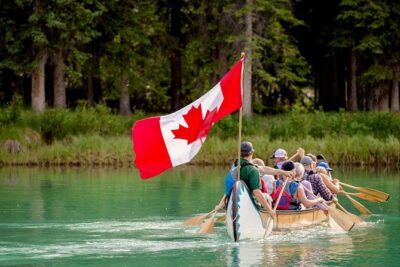
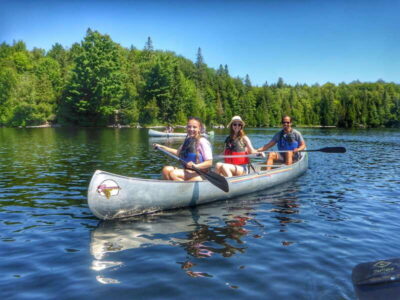
Banff National Park: Big Canoe River Explorer Tour
Read our review →
Snorkel, Kayak, and Seal Adventure: Vancouver Boat Tour
Read our review →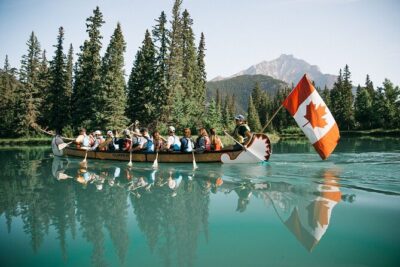
River Explorer | Big Canoe Tour in Banff National Park
Read our review →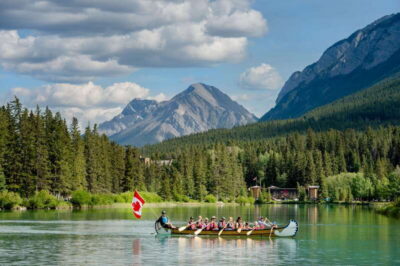
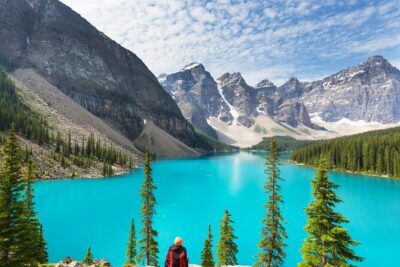
Banff/Canmore Moraine Lake & Lake Louise– Hike, Canoe or Sightsee
Read our review →Browse the lists this tour appears in