
REVIEW · WALKING TOURS
Toronto’s Multicultural Heart – Kensington & Chinatown Walk
Two neighborhoods, one walk, lots of flavor. Kensington Market and Chinatown sit side by side, so you can go from graffiti-covered brick walls and indie shops to Toronto’s big Chinese community stories in just a few hours, starting near the Art Gallery of Ontario and ending at Dragon City.
I especially like the hands-on rhythm of the tour, with a coffee or tea stop plus a street snack that makes the neighborhoods feel real instead of just photographed. Your guide also shares practical pointers for where to eat and shop in the area, which is the kind of advice you can actually use the same day.
One consideration is simple: this is walking, with a good amount of time on your feet, so plan for comfort and remember that extra snacks and drinks are not included.
In This Review
- Quick hits from the Kensington and Chinatown walk
- Kensington Market and Chinatown, the cultural overlap you can feel fast
- Getting your bearings, meet near Dundas and McCaul
- Stop 1 Kensington Market, murals, small shops, and a snack that grounds it
- How to get the most from the Kensington Market walk
- Stop 2 Chinatown, late 19th century roots and today’s community energy
- What you’ll likely notice in Chinatown
- The included coffee or tea stop, plus one local snack
- Your guide and the small-group setup
- What the route teaches you, beyond the postcard view
- Timing and walking comfort, plan your shoes and your day
- Price and value, what $64.25 buys you
- Who should book, and who should skip this one
- Should you book this Kensington Market and Chinatown walk?
- FAQ
- How long is the Kensington Market and Chinatown walk?
- Where do we meet, and where does the tour end?
- What food and drink is included?
- Is the tour offered in English?
- How many people are in the group?
- Can kids join this tour?
Quick hits from the Kensington and Chinatown walk
- Start near the Art Gallery of Ontario, finish at Dragon City Shopping Centre
- Small group (max 12 travelers) for easier questions and a more relaxed pace
- Coffee or tea included, plus a street food snack from a local vendor
- Kensington Market murals explained, including why many are done by the building owners request
- Chinatown history on the ground, focused on the late 19th century roots and modern-day community life
- Local recommendations for food and shopping around both neighborhoods
Kensington Market and Chinatown, the cultural overlap you can feel fast
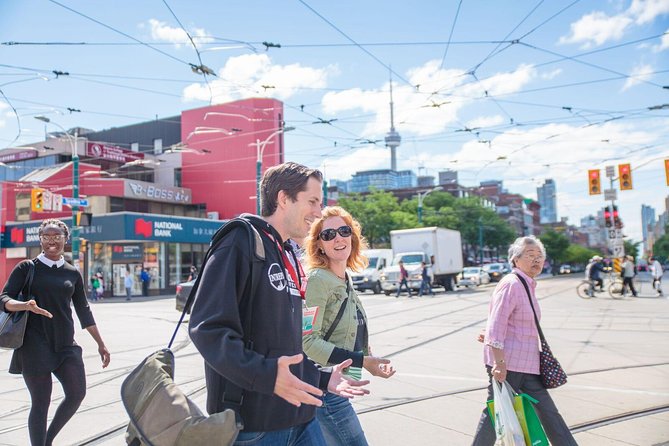
Toronto has lots of good neighborhoods, but this one is rare because two major ones share the same block of real estate. In one walking tour, you get a sense of how communities shape a city through food, shops, languages, and street art.
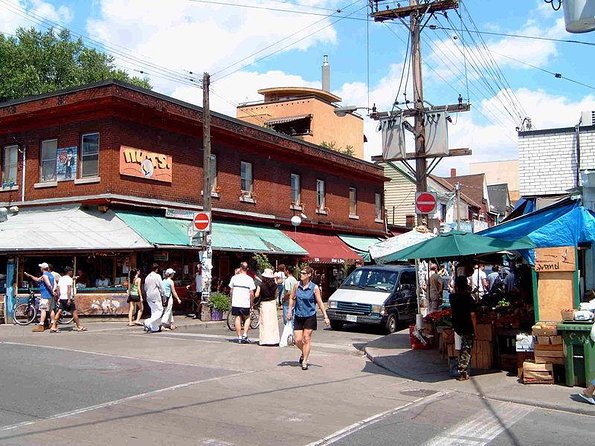
Kensington Market has an identity tied to changing immigrant waves, evolving from a working-class Jewish market into a working-class bohemian one. You’ll see the result in the details: vintage stores, bakeries, small cafés, and bars tucked into older streets that resist the corporate feel you might expect elsewhere.
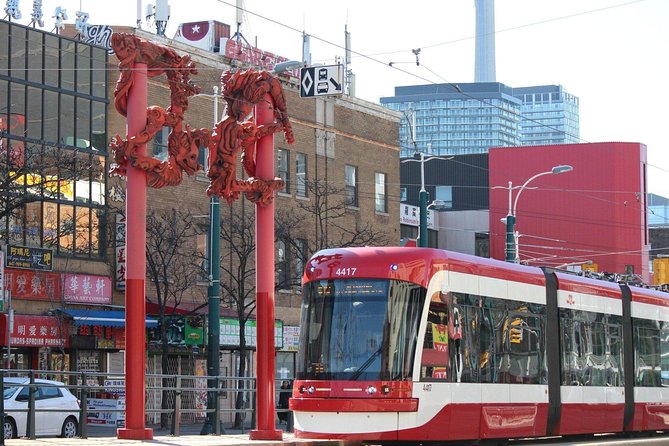
Chinatown is a different story, still next door. Developed in the late 19th century, it’s now home to Canada’s largest Chinese community and among the largest Chinatowns in North America. The tour focuses on the human scale of it, the daily flow of shops and restaurants along Dundas Street West and toward Spadina Avenue, plus the local stories that explain how the neighborhood became what it is.
More Walking Tours in Toronto
- Show me the City! A Small Group Walking Tour of Toronto
★ 5.0 · 621 reviews - Toronto Distillery District Walking Tour
★ 5.0 · 327 reviews - Toronto: City Highlights Walking Tour | 3-Hour
★ 4.6 · 306 reviews
Getting your bearings, meet near Dundas and McCaul
You start at Dundas Street West and McCaul Street in Toronto, in the southwest corner by the Art Gallery of Ontario. The start time is 10:00 am, and the tour is about three hours total.
The walk doesn’t just wander. It has a clear arc: first Kensington Market, then Chinatown, and then you end at Dragon City Shopping Centre at the southwest corner of Spadina Avenue and Dundas Street West. That ending location matters, because it puts you right back in the middle of places to grab a late lunch, browse shops, or keep exploring without needing transit right away.
This also helps if you like structure. You get a guided route without being stuck on a clock in one spot. When the tour ends, you already know what to look for.
Stop 1 Kensington Market, murals, small shops, and a snack that grounds it
Kensington Market is often the part first-time visitors remember most. The reason is visible fast: the neighborhood is full of texture. Brick walls that have been covered in graffiti murals. Laneways with street art. Vintage shops that feel like they’ve been there forever. Cafés and bakeries that act like living rooms for the area.
The tour includes a café moment, where you’ll have coffee or tea. This is more than a break. It’s where the guide sets the stage for what Kensington Market became. The neighborhood shifted over time through multiple immigrant settlement waves, and you can see that layered identity in what’s still here, like the mix of global flavors and indie businesses.
Two practical things I like about the Kensington Market portion:
- You learn how the neighborhood stayed away from major chains. Even if you do not know the local backstory, the lack of giant storefronts helps you understand the community mindset immediately.
- You get a street food or market stall sample, which turns the cultural story into something you can taste.
If you’re the type who enjoys street art, this portion is built for you. The murals aren’t treated like random decoration. You learn that many murals appear at the request of the building owners, which changes how you read the walls. It’s art as neighborhood agreement, not just graffiti that showed up one day.
How to get the most from the Kensington Market walk
Bring curiosity and a little patience. This is the kind of neighborhood where the best details are often small: the name on a shop, a line of text on a mural, a menu board that hints at one more corner of the world. With a guide, you’ll pick up context quickly, and you’ll also get pointers for places to eat after the tour.
A few more Toronto days to compare
- Old Town Toronto Highlights 3 Hour Walking Tour | Gratuity-Based
★ 4.5 · 290 reviews - Toronto: Dark History Nighttime Walking Tour
★ 4.7 · 273 reviews - Toronto: Distillery District Historic Walking Tour
★ 4.8 · 267 reviews - Ghost Tour of Toronto Original Haunted Walk
★ 4.5 · 185 reviews
Stop 2 Chinatown, late 19th century roots and today’s community energy
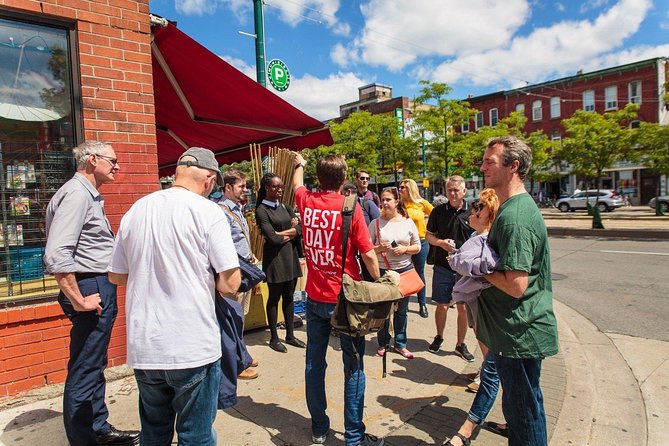
Right next door, Chinatown turns the dial from bohemian backstreets to a denser commercial strip. Dundas Street West and Spadina Avenue become your main corridors. It’s busy in the everyday way, with shops and restaurants that make the neighborhood feel like it’s functioning for locals, not just performing for tourists.
On this stop, the tour slows down the story part. You’ll hear about how Chinatown developed in the late 19th century and why it became such a major community in Canada. The tour also shares the kinds of local narratives that help explain how immigrant communities take root and keep their identity while living inside a much larger city.
Food and shopping recommendations come up naturally here. The guide points you toward good places to eat nearby after the tour, which helps because Chinatown is the kind of place where the hardest part is not finding restaurants. The hardest part is choosing.
What you’ll likely notice in Chinatown
- Shops and eateries extend along the corridor, so you get a sense of depth as well as variety.
- The tour framing helps you connect the present to the past, instead of treating the neighborhood as just a set of storefronts.
- You end this section with momentum, since the tour finishes at Dragon City Shopping Centre, a handy base for continued browsing.
The included coffee or tea stop, plus one local snack
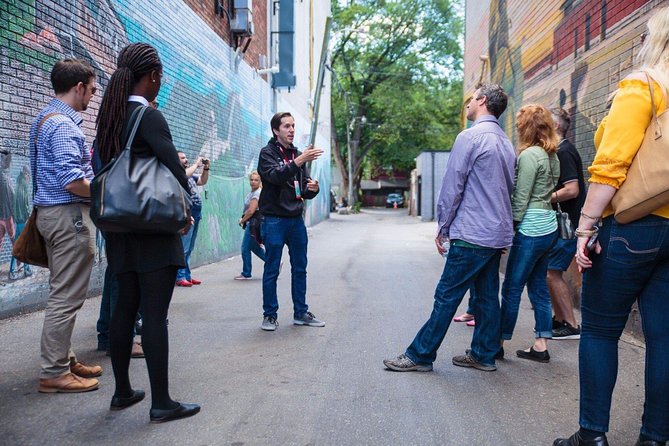
This tour includes two food moments, and that’s one of the best value angles.
First, you get coffee or tea at a local neighborhood café. That’s a good way to rest your feet for a short stretch while still staying in the local setting. Second, you sample a street vendor or market stall snack. That second bite is the one that makes the neighborhood feel less like a sightseeing checklist.
You should treat the snack as a sample, not a full meal. Additional snacks and beverages are not included, so if you’re the kind of eater who wants to try several things, plan a follow-on stop after the tour ends. Since the route ends at Dragon City, staying in that area for one more meal is a natural move.
Your guide and the small-group setup
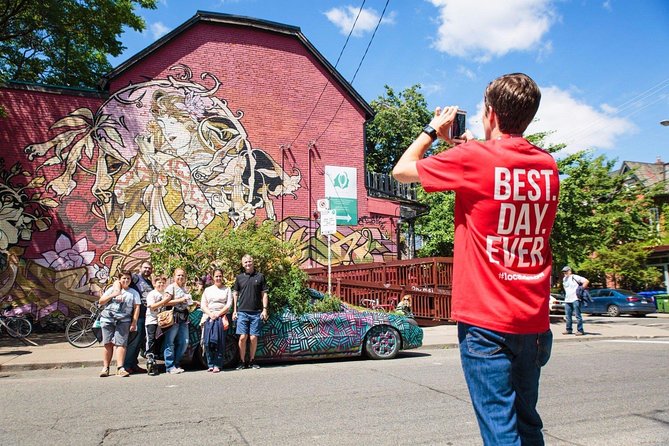
The group size is capped at a maximum of 12 travelers. That changes the experience. Smaller groups mean more chances to ask questions, and it’s easier for the guide to adjust pacing if you want a bit more time for street art photos or to ask about something you noticed.
I also like that the tour style is story driven. From the guides who lead this walk, you’ll often see a mix of local history and practical suggestions, with people like Kieran and Robert frequently praised for friendly, clear storytelling. Jackie is mentioned for weaving in history and pointing out street art details, while Aaron is noted for strong food stop choices. Others, like Thomas, Richard, Jennifer, Roydon, and Jason, get credit for keeping conversations moving and keeping the group engaged.
You might also find that some guides use more interactive touches, like questions along the way. It’s not required for the tour to work, but it can help you stay mentally switched on during the walking time.
What the route teaches you, beyond the postcard view
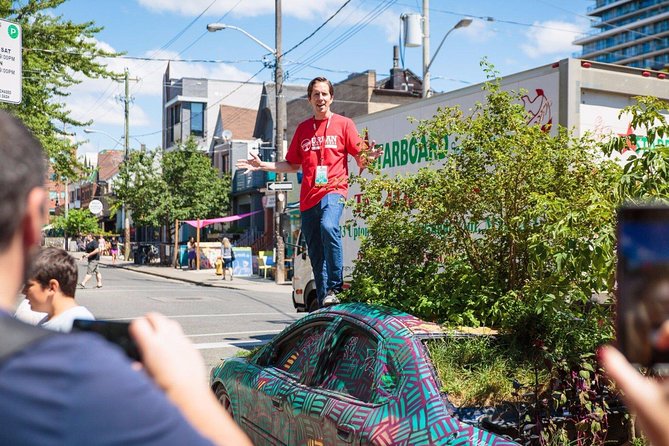
This walk is really about how neighborhoods keep their identity. Kensington Market shows how grassroots culture can hold its shape even as big-city pressure exists around it. Chinatown shows how community history can remain visible through businesses, food, and public space.
In Kensington Market, you’re not just looking at art. You’re learning how the neighborhood protects its own character. In Chinatown, you’re not just scanning menus. You’re learning how a major community takes form across generations.
That combination is the reason this is a strong first taste of Toronto for people who do not want to spend their trip only around the big, standard sights. You come away understanding the city’s immigration story as something lived daily, not just read on a plaque.
Timing and walking comfort, plan your shoes and your day
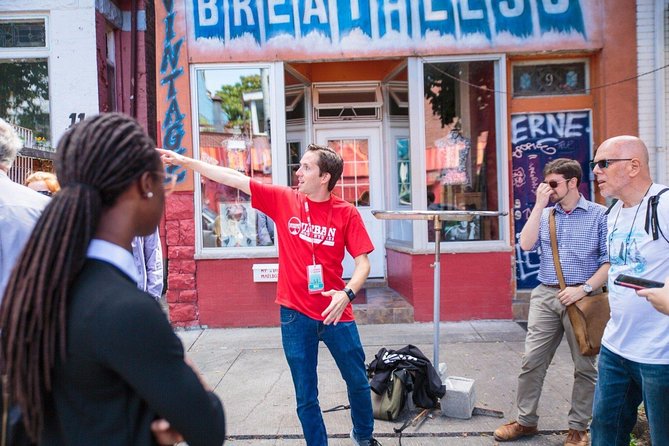
Duration is about three hours total, with roughly two hours focused on the neighborhoods. That’s enough time to feel like you covered ground, but not so long you’re exhausted before your next stop.
One thing to plan for is that it involves a good amount of walking, and comfortable shoes are recommended. A couple of comments from past participants also point out that there can be some standing time during explanations, so if you have mobility limits, this is worth thinking through before you book.
If you can, wear shoes you’d happily walk in for an hour straight. This is also a good tour to schedule earlier in your day. You’ll get food and shopping ideas you can act on right away.
Price and value, what $64.25 buys you
At $64.25 per person for about three hours, the price is fair when you factor in what you actually receive.
You’re not just paying for a route. You get:
- a local guided walk through both neighborhoods
- a coffee or tea stop
- a street snack sample
- practical recommendations for where to eat and shop in the area
Those inclusions matter because they reduce decision fatigue. Instead of guessing what’s worth trying or where to take a break, the tour hands you a guided set of choices.
It also helps that the tour is small group, so you’re less likely to feel like you’re being marched through a checklist. If you like a more personalized approach, there’s also an upgrade option for a private tour.
And if you need flexibility, there is free cancellation up to 24 hours in advance for a full refund.
Who should book, and who should skip this one
This tour fits best if you want culture in the everyday sense. It’s ideal when you care about:
- street art and neighborhood design
- immigrant history shown through real businesses
- food as a way to understand place
- practical local tips you can use right after
It’s also child-friendly. Children under 6 can join free of charge (you just need to inform the operator if you’re bringing one). If you’re traveling with teenagers, this format often works well because you spend less time in museums and more time in active neighborhoods.
You might skip it if:
- you hate walking and prefer short stops only
- you want a single landmark focus, like a cathedral or museum
- you want a long sit-down meal included (this is more of a sampling and café stop format)
Should you book this Kensington Market and Chinatown walk?
If you want an efficient, local-feeling introduction to Toronto’s multicultural neighborhoods, I think this is a smart booking. The mix of Kensington Market’s street art and indie shop vibe with Chinatown’s community history gives you two different city identities in one morning.
Book it especially if you:
- want coffee and a snack included
- enjoy asking questions and getting local food and shopping pointers
- plan to explore on your own right after, since the tour ends at Dragon City
Skip it if your schedule is tight and you cannot handle a steady walk, or if you prefer major-sight stops over neighborhood atmosphere.
FAQ
How long is the Kensington Market and Chinatown walk?
The tour runs about 3 hours (approximately).
Where do we meet, and where does the tour end?
You meet at Dundas Street West at McCaul Street (southwest corner) by the Art Gallery of Ontario. The tour ends at Dragon City Shopping Centre at the southwest corner of Spadina Avenue and Dundas Street West.
What food and drink is included?
Coffee or tea is included at a neighborhood café, and the tour also includes a sample snack from a street vendor or market stall.
Is the tour offered in English?
Yes, the tour is offered in English.
How many people are in the group?
The tour has a maximum of 12 travelers.
Can kids join this tour?
Yes. It is child-friendly, and children under 6 are permitted to join free of charge. You should inform the operator if you’re bringing a child under 6.
Recently listed around Toronto
- All-Inclusive Camp & Tube At Elora Gorge (2 Day)★ 5.0 · 4 reviews
- Canada eSIM | 3-30 days | Daily data | QR code★ 4.0 · 12 reviews
- Toronto Craft Brewery Tour★ 5.0 · 97 reviews
- Pottery wheel class in Toronto Bay&Dundas★ 4.5 · 5 reviews
- Handcrafted Donuts of Toronto: A Sweet City Walking Tour★ 5.0 · 141 reviews
- Underground Toronto PATH Tour★ 4.5 · 6 reviews
- Tour to Niagara Falls from Toronto★ 4.0 · 19 reviews
- Roundtrip Private Transfer from Toronto Airport (YYZ)★ 5.0 · 3 reviews
Walking Tours, compared.

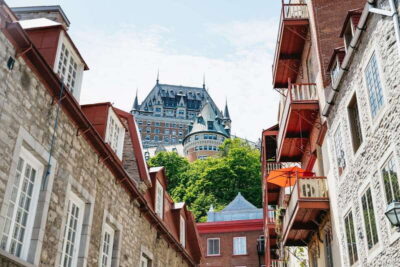
Old Quebec City: Grand Walking Tour with Private Option
Read our review →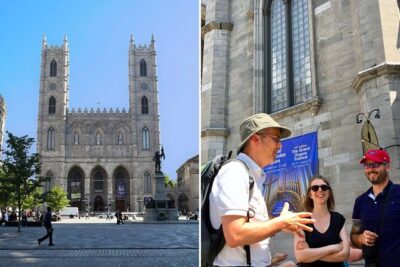
The Original Old Montréal Walking Tour by Guidatour
Read our review →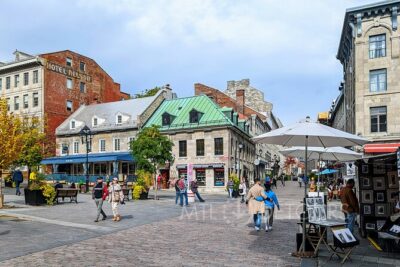
Old Montreal Small-Group Walking Tour | Max 10 | by MTL Detours
Read our review →
Old Quebec Classique Walking Tour with Funicular
Read our review →

Quebec: Crimes of New France Animated Walking Tour
Read our review →Browse the lists this tour appears in