
REVIEW · STREET ART
Toronto: Must Do NonTouristy Street Art Tour by local Artist
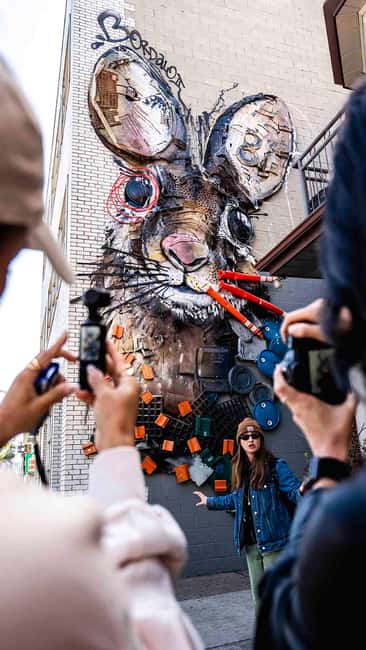
Street art, but not the tourist kind. What makes this Toronto walk special is the small group feel and the way artist Chloe explains technique and meaning as you move neighborhood to neighborhood.
I like that it focuses on the College West and Dundas West corridor, starting right at the edge of Little Portugal instead of the usual postcard stops. You get a real mix, from wheat pastes and sticker art to yarn bombing, classic painting styles, and graffiti, plus the stories of how the area became an outdoor gallery.
One thing to consider: this is a street walk with stairs, curbs, and alley turns, so plan around weather and bring water in summer.
In This Review
- Key Highlights You Should Know Before You Go
- Entering the Dundas West Urban Art Corridor
- Why the Start Point Matters: Loveless Café at Dundas West
- The 2-Hour Walk: How the Route Actually Feels
- Stop by Stop, What You See (and Why It Matters)
- College West First, Then Into Little Portugal
- The Wide Range of Styles You Will Spot
- Massive Murals and Small Hidden Installations
- The “Outdoor Gallery” Effect
- The Chloe Factor: Technique, Meaning, and Real Artist Talk
- Where Food and Night Out Fit In After the Tour
- Price and Value: $8 for Two Hours of Street-Level Insight
- Logistics That Actually Help: Shoes, Water, and Cameras
- Group Size and Comfort: Small Means Better Answers
- Who This Tour Suits Best (and Who Might Want to Rethink It)
- Should You Book? My Decision Guide
- FAQ
- Where does the Toronto street art tour start?
- How long is the tour?
- What does the tour cost?
- What should I bring?
- Is transportation included?
- What is included in the guide experience?
- Is it wheelchair accessible?
- Are there any rules during the tour?
Key Highlights You Should Know Before You Go
- Led by local street artist Chloe, with hands-on talk about technique and meaning
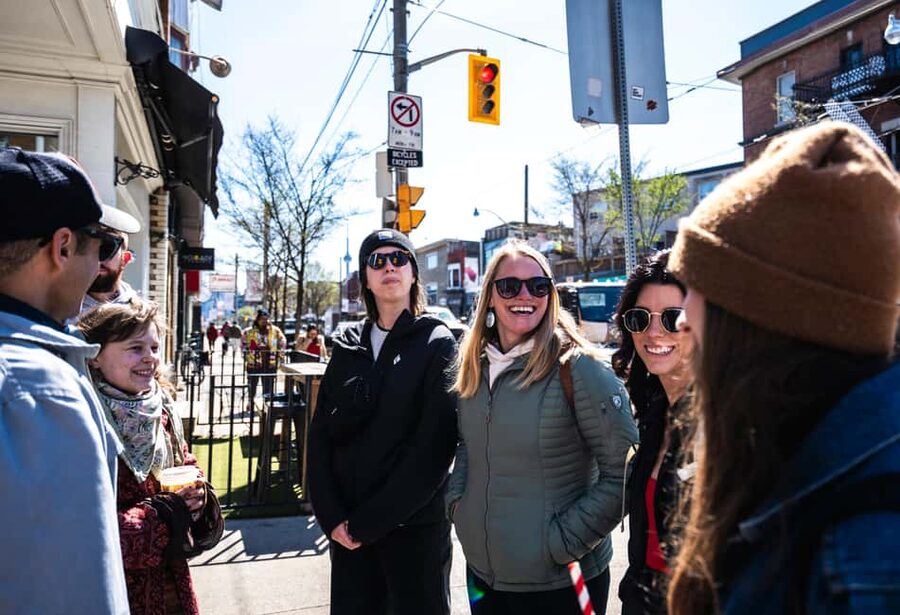
- Small group limited to 10 people, so questions actually get answered
- A zigzag route through College West and Dundas West, covering wheat paste, yarn bombing, stickers, and graffiti
- Little Portugal connection, which helps you understand how the corridor got its momentum
- A take-home recommendations list, built for food, bars, and galleries you can check after
Entering the Dundas West Urban Art Corridor
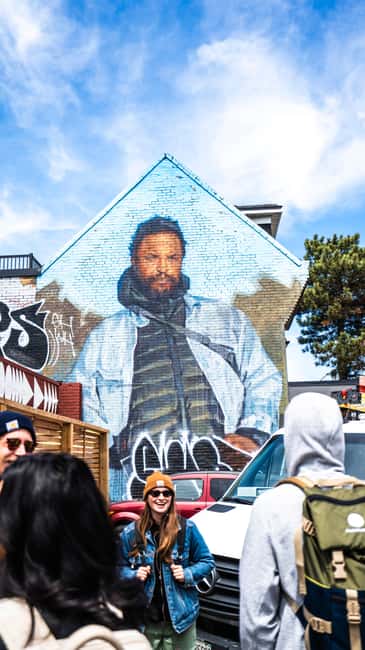
Dundas West can feel like regular city streets until you slow down. That is the whole point of this tour. You walk the blocks where artists have been building an urban art corridor, piece by piece, sometimes through formal support and sometimes through more guerrilla-style creativity.
What I like is the balance. The tour is not only about big murals you can spot from afar. You also learn how small works, like sticker art and wheat pastes, fit into the same visual conversation as larger-scale paintings. That gives you better street reading skills, even after the tour ends.
And because the guide is an active artist, you hear explanations that stay grounded. You are not just looking at color, you are learning the choices behind it, including why a certain style shows up in certain places.
A few more Toronto days to compare
- Montreal: The Original Locally Owned Street Art Walking Tour
★ 4.9 · 97 reviews - Street Art and Craft Beer 2 in 1 Walking Tour Vancouver
★ 5.0 · 61 reviews - Vancouver Street Art and Craft Coffee 3 Hour Walking Tour
★ 5.0 · 47 reviews
Why the Start Point Matters: Loveless Café at Dundas West
You meet in front of 1430 Dundas St W, right in front of the Loveless Café and Bar. The key detail is that you should stand on the sidewalk, not inside the bar. The start is at the Gladstone and Dufferin intersection, and the Dundas West streetcar stop is right on the corner, so it is easy to plug into transit.
This start location also sets the tone. You are not trekking across town to an attraction. You are starting in a working neighborhood, then moving into the College West and Dundas West street art stretch on foot.
If you are using transit, the Green line (2) to Bloor-Danforth and then out at Dufferin station works too. From there, it is a short walk, and you will already be in the right mindset: shoes on, camera ready, and eyes up.
The 2-Hour Walk: How the Route Actually Feels
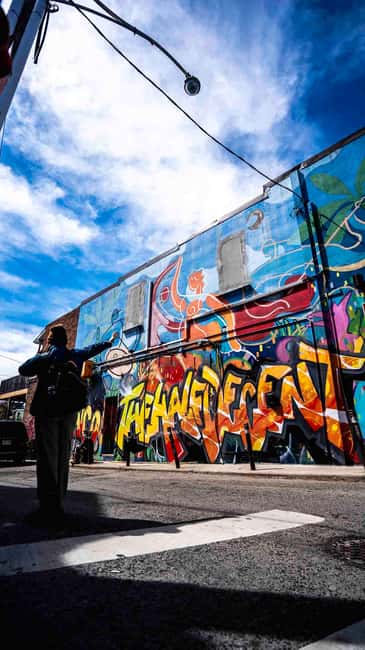
The walk is designed as a zigzag through streets and alleyways. That matters because alleyways and side lanes are where the surprises often live. This is not a straight-line stroll where every stop looks identical. Expect turns, quick transitions, and a route that feels like you are being shown a side of Toronto that most people miss.
Timing-wise, the tour is about 2 hours total, with several stops along the way. Even without a strict “museum-style” pace, the guide keeps things moving so you get a mix of artworks plus enough explanation to make the details stick.
Also, small group size helps. With a maximum of 10 participants, you are more likely to ask follow-ups. That turns the tour into a conversation, not a lecture.
Stop by Stop, What You See (and Why It Matters)
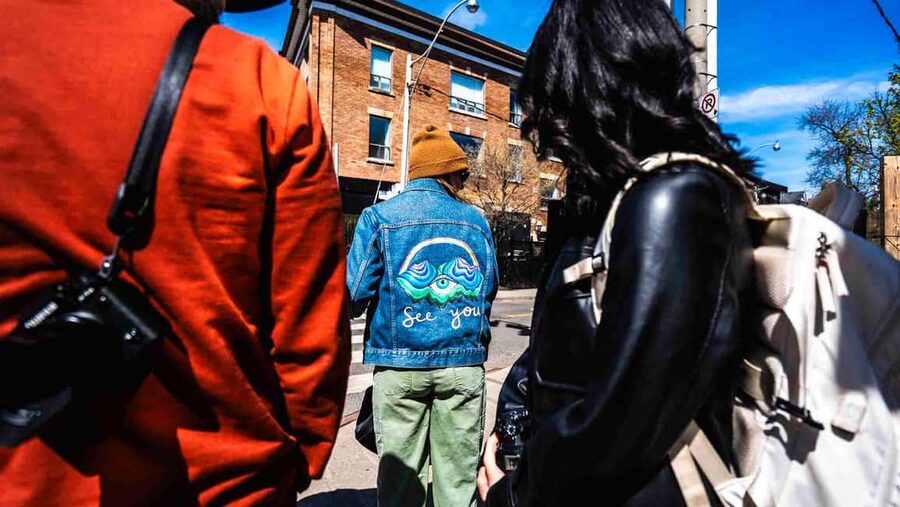
The tour’s visual range is part of its value. You will see street art in a bunch of formats, and each one tells you something different about the artists and their tools.
A different day out in Canada:
- Toronto: Niagara Falls Day Tour with Optional Boat Cruise
★ 4.6 · 3,178 reviews - Niagara Falls Day Tour from Toronto
★ 5.0 · 2,889 reviews - Toronto: Casa Loma Entry Ticket
★ 4.7 · 2,705 reviews - Niagara Falls Canada Day Tour From Toronto + Boat Cruise Option
★ 5.0 · 2,576 reviews
College West First, Then Into Little Portugal
You start at the boundary of Little Portugal, and then you work through the College West and Dundas West area. That transition is useful. It helps you connect what you are seeing on the walls with the neighborhood shift around it, including how the corridor became known for urban art.
Little Portugal is a recognizable anchor, but the tour avoids making it generic. Instead, it uses the area as a starting reference point, then pushes you onward into less obvious streets where the art gets more specific.
The Wide Range of Styles You Will Spot
As you move along, you will cover the spectrum of Toronto street art. The tour highlights:
- wheat paste and other paper-based work
- yarn bombing and textile-style interventions
- sticker art that layers on top of everything else
- painting techniques, including more classic mural-style work
- graffiti elements that show up as writing, tagging, and larger pieces
Even if you do not know street art jargon, you will start recognizing patterns. For example, paste-based and yarn-based work often feels temporary, which changes how you look. Graffiti and painted pieces often feel more “placed,” which changes how you read location and context.
Massive Murals and Small Hidden Installations
One of the best parts is the mix of scale. You will see large murals, but you will also get attention drawn to smaller installations that you could easily walk past on your own.
That is where the guide really earns their fee. Chloe points out details and explains what you are looking at, rather than hoping you magically notice it. It also helps you learn the habit of looking closely, which is the skill you want if you are going to keep exploring after the tour.
The “Outdoor Gallery” Effect
By the time the walk finishes, you are left with a map in your head. The neighborhood becomes an outdoor gallery you can continue exploring at your own pace. That is why the tour gives you recommendations you can use right away, so the art experience connects to what you do next.
The Chloe Factor: Technique, Meaning, and Real Artist Talk
The tour is led by local street artist Chloe, and the tone that shows up in the experience is practical, direct, and creative. People rave about her teaching style, and you can feel why from the way the tour is built.
Chloe’s focus is not just the finished artwork. She talks about:
- techniques used to create the pieces
- what the art is trying to communicate
- why the location and neighborhood context matters
She also uses tour extras that help you retain what you learn, including a recommendations list that works like a cheat sheet. That means you do not have to remember everything perfectly during the walk, because you have a second brain ready when you step into dinner mode.
One more detail worth calling out: the tour leans into authenticity. It is led by an artist, not a generic “storyteller” who only knows the art from photos. That difference changes the whole experience because you start seeing craft, not just aesthetics.
Where Food and Night Out Fit In After the Tour
You get recommendations for restaurants, bars, and galleries, designed for the same neighborhood energy you just walked through. This is one of those “small” inclusions that ends up being a big deal.
A printed or shared list lets you keep the momentum. If you walk out still thinking about street art, it feels natural to eat nearby, then check out galleries in the same creative mood.
And the recommendations have real-world traction. One visitor even used the list to eat at Martines, which is the kind of practical confirmation you want when a tour gives you names to follow. If you like having a plan without locking yourself into a strict schedule, this is a strong perk.
Price and Value: $8 for Two Hours of Street-Level Insight
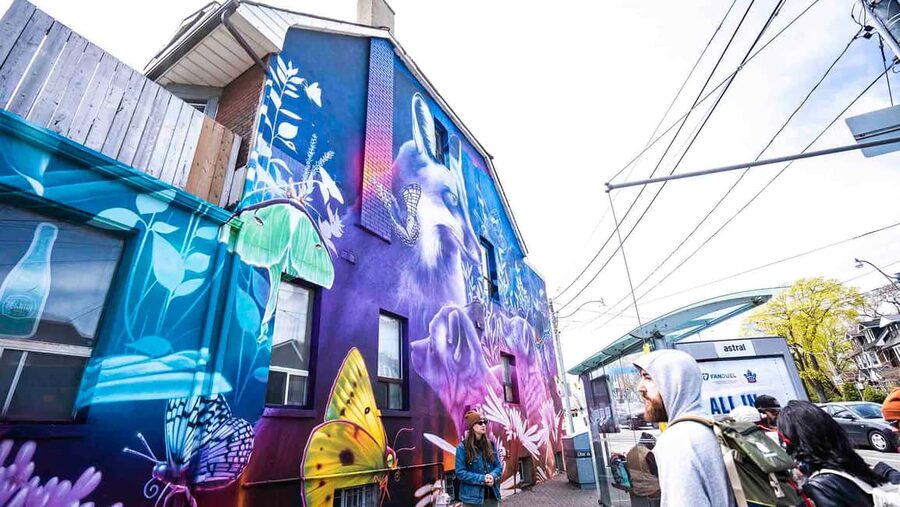
At $8 per person for a 2-hour guided walk, the price is hard to beat, especially with a small group limit of 10.
Here is why that matters for value. You are paying for:
- a live local guide (not an audio-only route)
- time spent teaching you how to see street art
- specific neighborhood pointers
- a recommendations list you can use after
Street art tours can get expensive when they feel like photo hunts. This one stays grounded in explanation and local context, which makes the low price feel less like a bargain and more like smart design.
The main tradeoff is that you are not spending your time sitting. You are spending your time looking closely and asking questions. If that is your thing, you will feel like you got your money’s worth quickly.
Logistics That Actually Help: Shoes, Water, and Cameras
This tour is built for walking, so comfort is not optional. Wear comfortable shoes, bring a camera if you like capturing details, and plan for weather.
The guidance is simple:
- Bring water in summer, it can get hot
- In winter, dress like a Canadian
That is not just humor. Toronto weather shifts hard, and the tour stays outside while you zigzag between stops. If you come prepared, the experience feels easy. If you come underprepared, the pace can feel more demanding than it sounds.
You should also know what is not allowed: smoking, alcohol and drugs, and littering. It keeps the vibe respectful and focused.
Group Size and Comfort: Small Means Better Answers
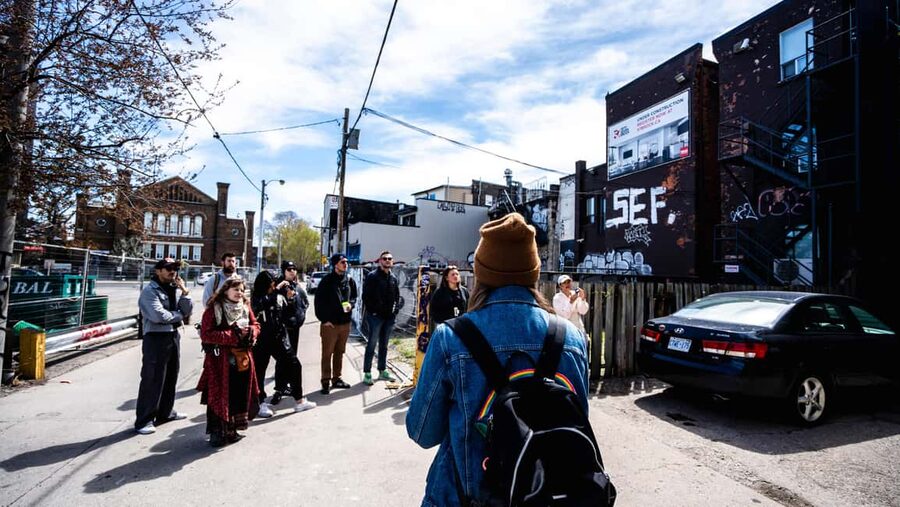
With a maximum of 10 participants, the tour has a small-group feel. That affects the experience in a tangible way. You get more back-and-forth, and the guide can adjust to questions without losing the whole group.
It also helps with pacing. You are walking together, so the guide can keep you together while still offering enough attention to each stop.
If you dislike crowded tours where everyone gets ignored, this size is a big plus.
Who This Tour Suits Best (and Who Might Want to Rethink It)
This tour fits well if you:
- like street art, graffiti, and neighborhood creativity
- enjoy walking and exploring on foot
- want local insight from an active artist
- want useful food and gallery recommendations afterward
It may be less ideal if you need a low-mobility route. The information includes a note that the experience is not suitable for people with mobility impairments and wheelchair users. At the same time, it also lists wheelchair accessible. That conflict is exactly why you should check directly with the provider before booking if mobility is a concern.
If you just want a quick photo stop with zero walking, you may also find it too active. This is a viewing and learning walk, not a drive-by.
Should You Book? My Decision Guide
Book it if you want a street art tour that treats the art like real craft, not just entertainment. The guide, Chloe, is the big reason this works, because the explanations are about technique and meaning, and you get a practical list of where to go next.
Skip it or double-check if you cannot handle outdoor walking, curbs, and alley turns, or if you are sensitive to hot or cold weather. Bring water and wear good shoes, and you will be in great shape.
If you are in Toronto for a short time and want one experience that makes the city feel more personal, this is an efficient choice. It is budget-friendly at $8, small-group sized, and it leaves you with an art-literate way to keep looking after the tour is over.
FAQ
Where does the Toronto street art tour start?
The tour begins at 1430 Dundas St W, in front of the Loveless Café and Bar, on the sidewalk at the Gladstone and Dufferin intersection.
How long is the tour?
It is a 2-hour guided walking tour.
What does the tour cost?
The price is $8 per person.
What should I bring?
Bring comfortable shoes, a camera, and water if you are visiting in summer. The weather can vary, so dress appropriately.
Is transportation included?
No. Transportation to the meeting point is not included.
What is included in the guide experience?
You get a guided tour by a local street artist, plus recommendations for restaurants, bars, and galleries, along with a deeper understanding of Toronto’s street art scene.
Is it wheelchair accessible?
The information says wheelchair accessible, but it also states it is not suitable for wheelchair users and people with mobility impairments. If mobility is a concern, check with the provider before booking.
Are there any rules during the tour?
Smoking, alcohol and drugs, and littering are not allowed.
Recently listed around Toronto
- Toronto Waterfront and Islands Guided Bicycle Tour★ 4.9 · 80 reviews
- Toronto:2-Hour Single Kayak Rental★ 5.0 · 3 reviews
- Toronto: Toronto Raptors NBA Game Ticket at Scotiabank Arena★ 4.6 · 88 reviews
- Toronto: Winter Niagara Falls Tour with Attractions Package★ 4.7 · 43 reviews
- Toronto: Treasures of Niagara Falls Small Group Tour w/Boat★ 4.7 · 122 reviews
- Toronto: Craft Brewery Tour★ 5.0 · 8 reviews
- Toronto: Toronto Zoo Entry Ticket★ 4.1 · 68 reviews
- Toronto: Toronto Maple Leafs Game Ticket at Scotiabank Arena★ 4.6 · 43 reviews
Street Art, compared.
The Original Locally Owned Street Art Walking Tour
Read our review →
Street Art and Craft Beer 2 in 1 Walking Tour Vancouver
Read our review →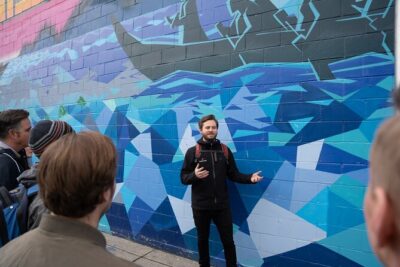
Vancouver Street Art and Craft Coffee 3 Hour Walking Tour
Read our review →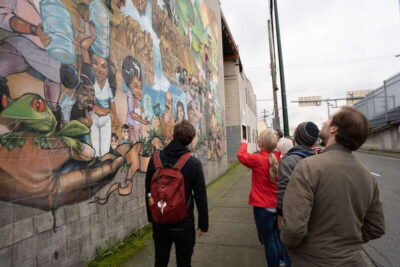
Street Art & Craft Beer Walking Tour w/ Tastings
Read our review →
Street Art & Craft Coffee Walking Tour w/ Tasting
Read our review →Browse the lists this tour appears in