
REVIEW · CITY TOURS
Québec City: Saint-Louis-Forts-and-Châteaux visit
Quebec City has a way of stacking stories on top of each other. This visit turns Dufferin Terrace into a time machine, taking you down to the Château Saint-Louis remains and showing how governors shaped North America. You start with big river views, then walk through buried layers of power, diplomacy, and day to day life.
I love how much you get for the money: 120+ artifacts plus the site story, in a compact 1 hour loop. I also like the way the experience frames alliances from a Huron-Wendat perspective, not just the colonial power players.
One possible drawback: if you strongly prefer straight history only, the audio format can feel a bit role-play or theater-ish for some people. If that style is not your thing, you might want to prioritize the on site heritage guide option.
In This Review
- Key highlights you will notice right away
- Where you begin: Dufferin Terrace views and the shortcut underground
- Descending to Château Saint-Louis: how the remains tell a governance story
- The artifact hall effect: hundreds of finds from archaeological digs
- Diplomatic power that reached beyond Quebec City
- The Huron-Wendat perspective: alliances viewed through Nation collaboration
- Guided or audio: choosing the best format for your style
- Price and what you actually get for $9
- Practical tips so your visit runs smoothly
- Who should book this and who might skip it
- Should you book? My straight call
- FAQ
- How long is the Saint-Louis Forts and Châteaux visit?
- How much does it cost?
- Where do I meet for the tour?
- Is it guided or self-guided?
- What languages are available?
- Is food or drink allowed during the visit?
- Is the site wheelchair accessible?
- Can I get a refund if I cancel?
Key highlights you will notice right away
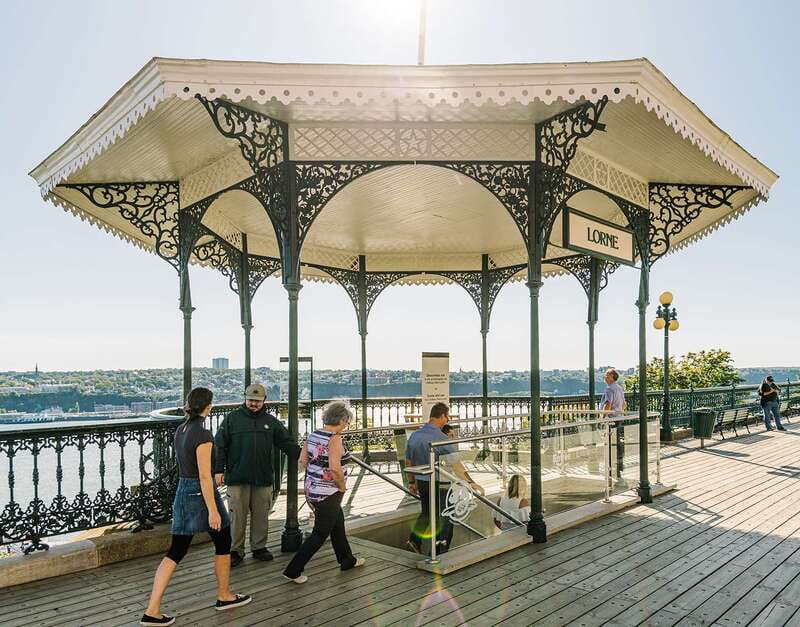
- Start with river views from the Dufferin Terrace boardwalk, then move fast to the remains below
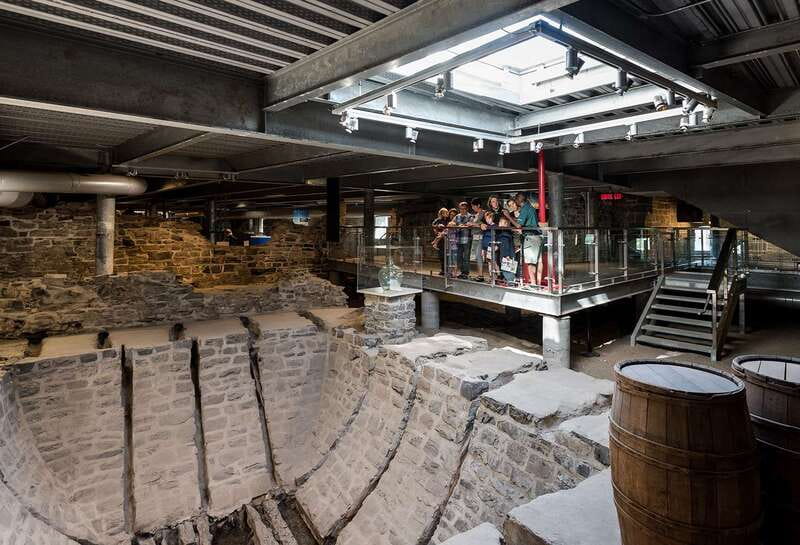
- Walk among Château Saint-Louis remains tied to French and British governors, 1620 to 1834
- See hundreds of archaeological artifacts brought to light through digs
- Learn diplomatic decisions and alliances connected to broader North American history
- Get a First Nations lens through an exhibition presented in collaboration with the Huron-Wendat Nation
Where you begin: Dufferin Terrace views and the shortcut underground
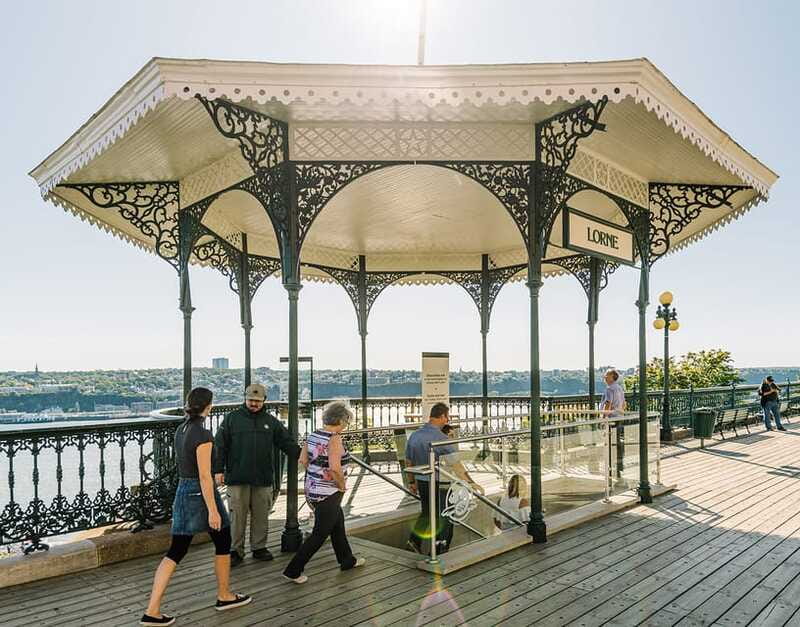
Your best moment here happens before you even descend. Start at the beginning of Dufferin Terrace, and look for the Frontenac sign on a green and white kiosk with a Canadian flag. If you’re meeting a guide, they’ll wear a green and beige uniform.
From there, you’ll use the terrace boardwalk first. This matters because it sets the geography. Old Quebec is all slopes, walls, and lookout points. Standing at Dufferin Terrace gives you that St. Lawrence river context that makes the later “what was this place like?” questions easier to answer.
Then you go down the stairs. That step change is a big part of the appeal. You are not just reading about a château. You are physically shifting from the modern city into the space where remains and artifacts were discovered.
If you’re the type who needs to orient fast, this setup helps. You get the view up top, then the site story starts right after.
A few more Quebec City days to compare
- Quebec City Walking Tour
★ 5.0 · 4,716 reviews - Quebec City: Guided Tour of Fairmont Le Château Frontenac
★ 4.7 · 3,027 reviews - Québec City: Guided Sightseeing River Cruise
★ 4.4 · 3,000 reviews
Descending to Château Saint-Louis: how the remains tell a governance story
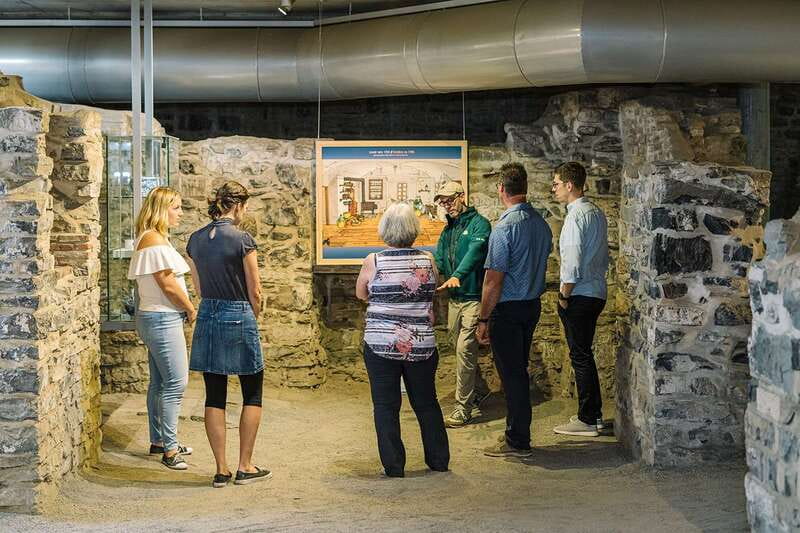
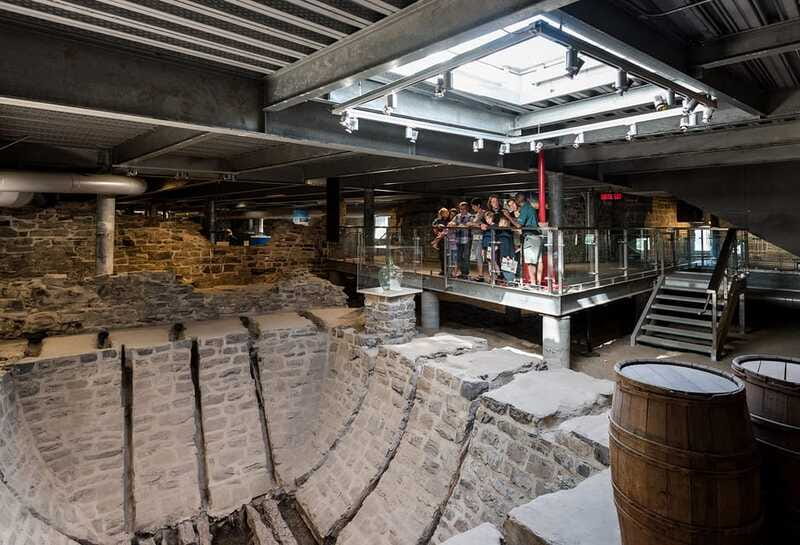
Once you reach the Saint-Louis Forts and Châteaux National Historic Site, the pace turns into walking and listening. You are exploring the remains of Château Saint-Louis, described as the North American seat of power for French and British governors from 1620 to 1834.
What I like about this is that the architecture and planning are not treated like museum trivia. They’re explained as a system. Where people moved, where authority was represented, and how the site functioned across time.
As you go, you’ll retrace more than 200 years of diplomatic history. That time span is the point. This was not a one era display. The place changed hands and evolved, yet it stayed important as an official residence and a seat of decision making.
You’ll notice how the visitor experience is designed to make the “buried history” idea feel real. The remains guide your eyes, and the interpretation helps you connect stone and space to governance.
Also, the tour is flexible in format. You can do it with a self-guided audio tour using a Parks Canada app, or you can follow an on site heritage guide in the live tour setting.
The artifact hall effect: hundreds of finds from archaeological digs
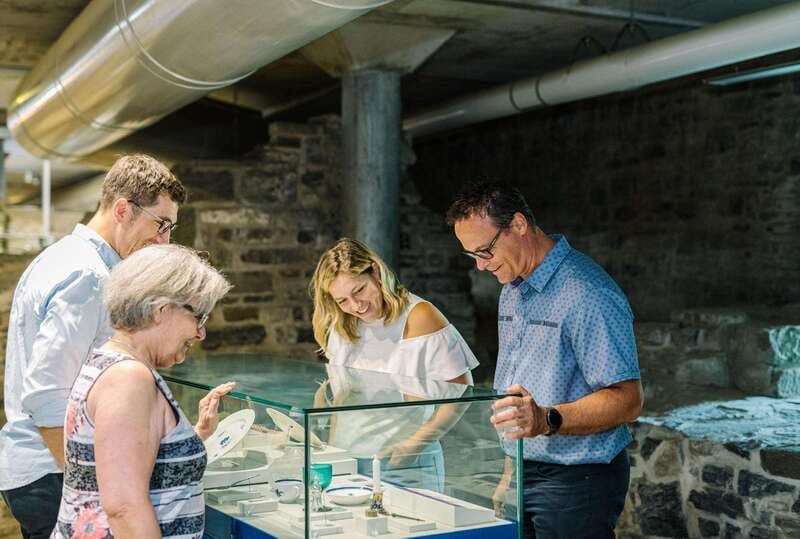
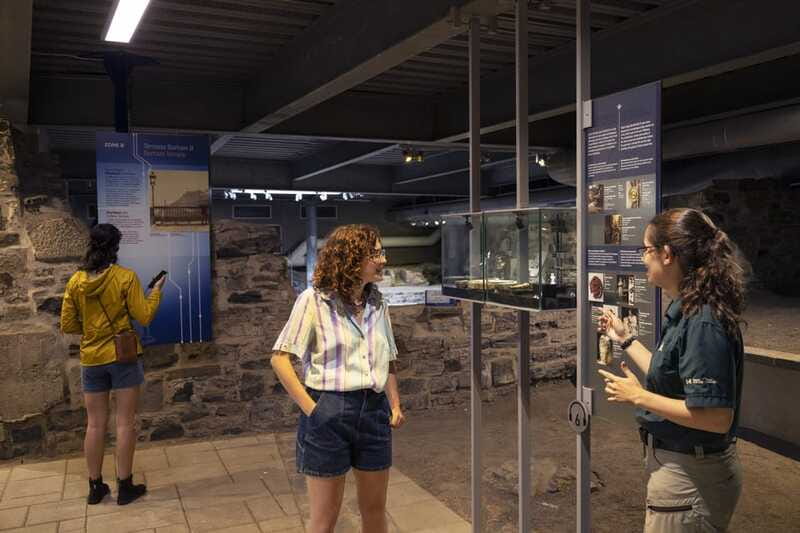
After the remains, the artifacts are what lock in the value of the visit. The experience highlights hundreds of recovered items found during archaeology. That changes the whole tone from “historic building ruins” to “real people lived here.”
Artifacts matter because they answer questions you might not think to ask. What tools were around? What objects show daily routines? What evidence survives when a structure is gone?
The interpretation here is built to help you visualize everyday life, not only political events. You are meant to learn fun facts about what daily life at the château may have looked like.
One of the strongest themes is practical household detail. For example, you may encounter audio or interpretation that explains how an icebox was used, why there were specific grooves in a surface, and why women used bottles of ammonia for household needs. Those are the kinds of specifics that turn a royal residence into a place with messy, human routines.
If you love museum objects, you’ll likely feel at home here. If you prefer broad strokes, you can skim forward to the sections about governance and diplomacy. Either way, the artifacts keep you from staying at the purely abstract history level.
Diplomatic power that reached beyond Quebec City
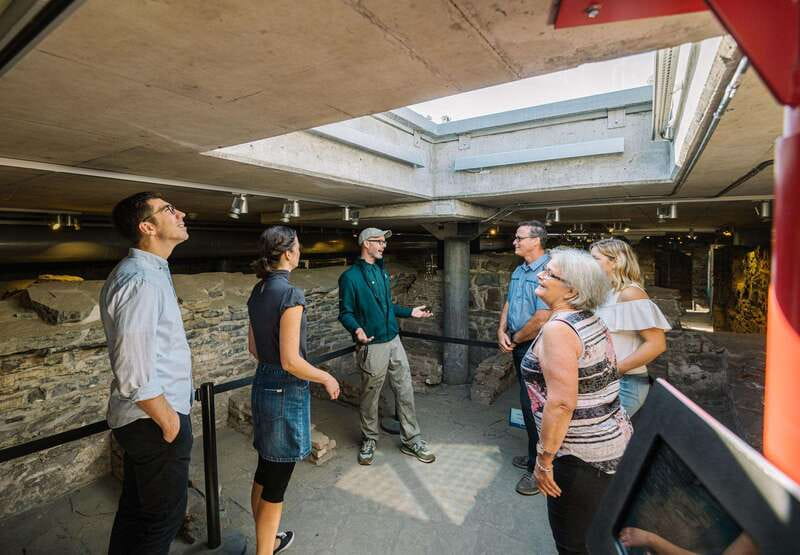
This site isn’t only local flavor. The tour is designed around decisions made here that affected the history of all of North America.
As you move through the story points, you’ll hear about alliances and diplomacy connected to the governors. The language used in the experience frames the château as a place where major relationships were managed, not just a residence.
That matters for two reasons.
First, it helps you understand why a relatively small geographic space could carry huge influence. If you’ve ever wondered how colonial powers coordinated, this gives you a concrete example tied to one location.
Second, it gives you a reason to pay attention even if you’re not a “royal history” person. Diplomacy is basically logistics between people. Alliances shift. Rules change. The château’s role helps explain those changes in a way that feels anchored to real space.
If you like history that connects cause and effect, this is a strong fit. The story lines here are meant to show the ripple effect of what happened on these grounds.
A different day out in Canada:
- Half-Day Trip to Montmorency Falls and Ste-Anne-de-Beaupré from Quebec city
★ 4.0 · 2,718 reviews - Old Quebec City: Grand Walking Tour with Private Option
★ 4.8 · 2,609 reviews - Quebec City: Montmorency Falls with Cable Car Ride
★ 4.6 · 2,392 reviews - Quebec City: Montmorency Falls & Ile d’Orleans Half-Day Tour
★ 4.3 · 2,144 reviews
The Huron-Wendat perspective: alliances viewed through Nation collaboration
One of the most meaningful parts of the experience is the First Nations lens. The tour includes an exhibition presented in collaboration with the Huron-Wendat Nation, focused on diplomatic alliances with colonial governors.
This is not a side note. It changes the context. Instead of treating Indigenous nations only as background to European power, you get a perspective on alliances and relationships from a Huron-Wendat point of view.
I appreciate that because it makes the story feel more complete. Old Quebec is often taught as a duel between empires. Here, you’re prompted to see diplomacy as a multi party effort, with Indigenous nations involved as active political partners.
If you want your visit to avoid the “single narrative” trap, this section is one of your best reasons to go.
Guided or audio: choosing the best format for your style
You have two ways to experience Saint-Louis Forts and Châteaux here, and your best choice depends on how you like to learn.
With the live format, you’ll have an on site heritage guide. The guide experience seems to be a major reason people rate this so highly. In particular, one review praised a guide as very animated and entertaining, and another highlighted how well the guide explained things.
If you like being able to ask small questions or you want someone to keep the pace moving, the live guide option tends to be the safest bet.
With the audio format, you’ll follow the circuit using the Parks Canada app. Reviews suggest people enjoy the way it helps them visualize the fort and château architecture, planning, and evolution across time. It can also feel more flexible since you can move at your own speed.
One caution based on a critical review: some people did not like an audio theater or role-play approach, where you might switch between governor and servant style parts. If you are sensitive to that kind of dramatization and you want purely factual narration, you might prefer to go with a live guide.
Price and what you actually get for $9
At $9 per person and 1 hour duration, this sits in the “high value for time” category. You are paying for access to an official Parks Canada site experience that combines three things that are often separated on trips: interpretation, remains, and artifacts.
For the time window, it’s a smart stop when you are already walking Old Quebec. You’ll connect the château story to the city you’re seeing above. You do not need a separate half day or a complicated transport plan.
If you are on a budget, this is one of those tickets that can genuinely feel like a deal. You get enough content to leave with names, context, and practical images in your head, not only a vague sense that “something important happened here.”
And if you are a short attention span traveler, the 1 hour structure helps. It’s long enough to get meaningful context, short enough that it won’t drag.
Practical tips so your visit runs smoothly
A few details can help you enjoy this without friction:
- The site is not set up for wheelchair users or people with mobility impairments, so plan for stairs and uneven historic terrain.
- The experience does not allow food and drinks, so plan a snack stop elsewhere before you go in.
- Luggage or large bags are not allowed, so travel light.
- Pets are not allowed (assistance dogs are allowed).
- Bare feet are not permitted.
Also, if you want to make the most of the audio, give yourself a minute to start the Parks Canada app properly before you begin. Small tech moments can steal time when you’re on a tight schedule.
Who should book this and who might skip it
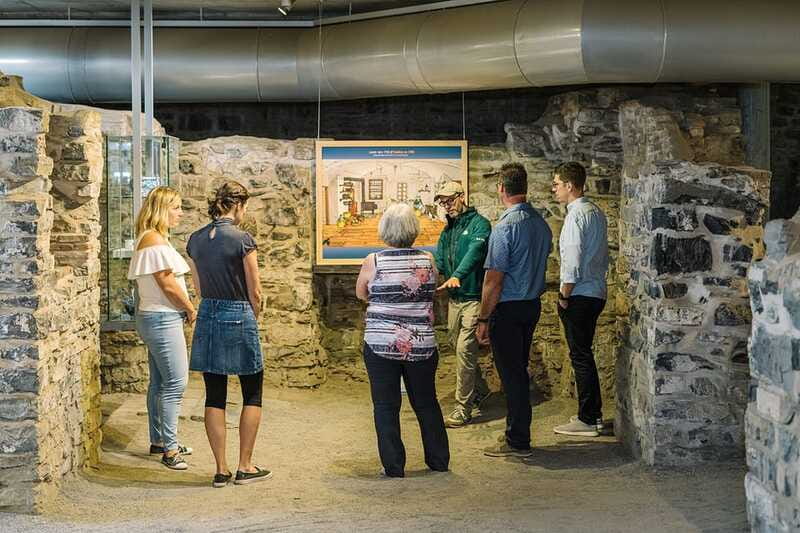
You should book if you want a strong Old Quebec anchor that goes beyond city walls and viewpoints. This is ideal for:
- People who love archaeological context and actual recovered artifacts
- Travelers who want history tied to a specific place, not just dates
- Anyone interested in how French and British governors operated, plus diplomacy with Indigenous nations
You might hesitate if:
- You strongly dislike any role-play style audio presentation
- You need step free access, since it’s not suitable for wheelchair users or mobility impairments
- You prefer long, leisurely museum wandering. This is built to be efficient, not endless
Should you book? My straight call
Book it if you like your history visual and specific. The combination of Château Saint-Louis remains, the artifact finds, and the diplomatic story makes this feel more like a guided learning experience than a quick photo stop. At $9 for about an hour, it’s also hard to beat for value.
If you’re the type who hates audio theater or dramatized segments, choose the live heritage guide option when possible. Otherwise, it’s an excellent use of time in Quebec City, especially if you want the Old Quebec experience to include what was happening beneath the surface.
FAQ
How long is the Saint-Louis Forts and Châteaux visit?
The experience is listed as about 1 hour.
How much does it cost?
The price is shown as $9 per person.
Where do I meet for the tour?
Meet at the beginning of Dufferin Terrace. Look for the Frontenac sign on a green and white kiosk with a Canadian flag. A guide, if present, wears a green and beige uniform.
Is it guided or self-guided?
You can do it as a self-guided audio tour using a downloadable Parks Canada app, and there is also an on site heritage guide in the live tour format.
What languages are available?
The live tour guide languages listed are English, French, Spanish, German, and Chinese.
Is food or drink allowed during the visit?
No, food and drinks are not allowed.
Is the site wheelchair accessible?
No. It is not suitable for wheelchair users or people with mobility impairments.
Can I get a refund if I cancel?
Yes. Free cancellation is available if you cancel up to 24 hours in advance for a full refund.
Recently listed around Quebec City
- The Montagnarde: Guided horseback ride on mountain trails.★ 4.9 · 13 reviews
- Stoneham: Nordic spa Thermal Experience★ 4.9 · 20 reviews
- Quebec City: Rafting or kayaking – Jacques-Cartier Canyon★ 4.7 · 7 reviews
- Quebec City’s History in Virtual Reality★ 4.5 · 141 reviews
- Quebec Interactive Street Theatre: “Crimes in New France”★ 4.6 · 175 reviews
- Quebec : Old Town Walking Tour With A Local Guide★ 4.5 · 38 reviews
- Quebec: Christmas Interactive Walking Tour of New France★ 4.3 · 7 reviews
- Québec: Fortifications-of-Québec Guided Walking Tour★ 4.7 · 60 reviews
City Tours, compared.

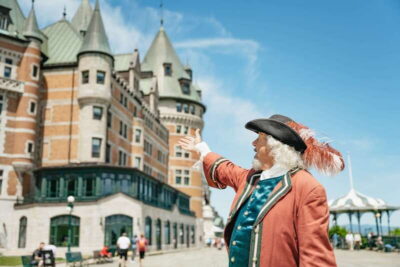


Half-Day Trip to Montmorency Falls and Ste-Anne-de-Beaupré from Quebec city
Read our review →
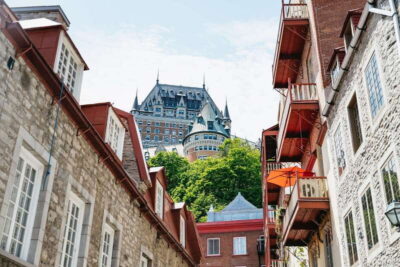
Old Quebec City: Grand Walking Tour with Private Option
Read our review →

Quebec City and Montmorency Falls Day Trip from Montreal
Read our review →Browse the lists this tour appears in