
REVIEW · WHITEWATER RAFTING
Quebec City: Rafting or kayaking – Jacques-Cartier Canyon
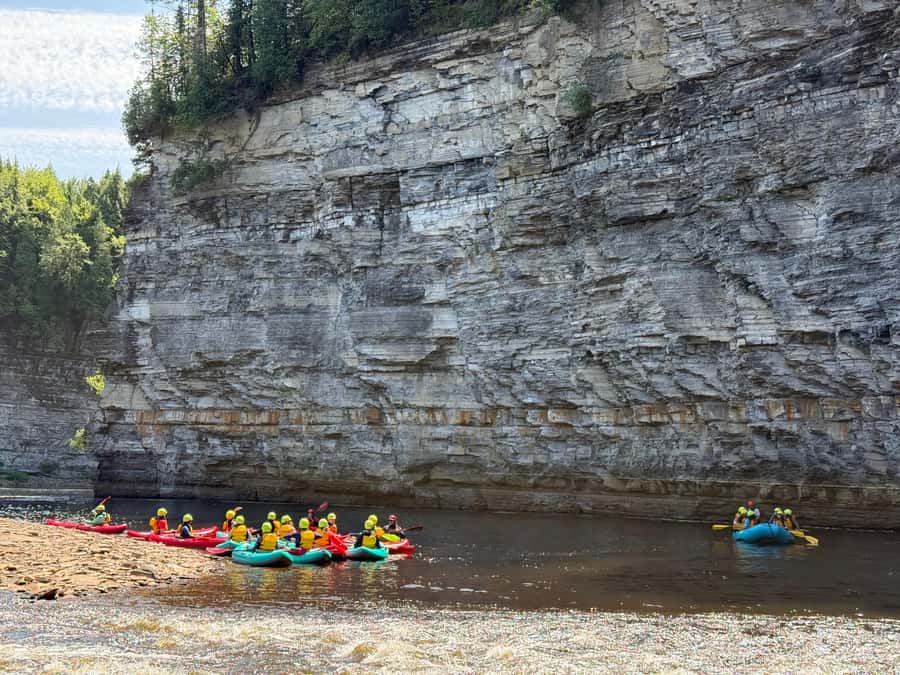
One canyon, two ways to get wet. I love the 75 m schist cliffs and the way the guides build confidence with safety practice before you hit the fun current. The main thing to consider is that kayaking can be challenging if you are very small or have limited upper body strength.
Near Quebec City, you’ll be on the river fast, with a short ride and a clear safety warm-up. This is also refreshingly all-inclusive, so you do not spend your morning hunting for rental gear.
Kids and adults get the same promise: safe supervision, real whitewater time, and a canyon view that feels way bigger than a half-day should. Just keep in mind this is not for kids under 6 or pregnant travelers.
In This Review
- Key things that make Jacques-Cartier Canyon rafting and kayaking worth it
- Quebec City’s Jacques-Cartier Canyon: where the scenery feels bigger than the clock
- Price and what $157 buys you (and what it saves you)
- How the 4-hour schedule really moves, from Rivière Concept to the canyon
- Safety training is not a formality here, and that changes everything
- Rafting vs kayaking: which one fits your day and your comfort level
- Inflatable kayaking (great if you want hands-on control)
- Rafting (best if you want adventure with less personal strain)
- The river time: gentle stretches, fun rapids, and those cliff-and-swim moments
- The eco stops and salmon migration pass coupon you’ll actually use
- What to pack, what to skip, and the simple rules that keep it safe
- Who this trip fits best, and who should choose something else
- When high water changes the plan
- Should you book Jacques-Cartier canyon rafting or kayaking?
- FAQ
- What ages can participate in rafting and kayaking?
- How long is the activity, and how far is it from Quebec City?
- What’s included in the price?
- What should I bring with me?
- Is kayaking always available?
- What languages are the guides/instructors?
- Are there restrictions on what I can bring?
Key things that make Jacques-Cartier Canyon rafting and kayaking worth it
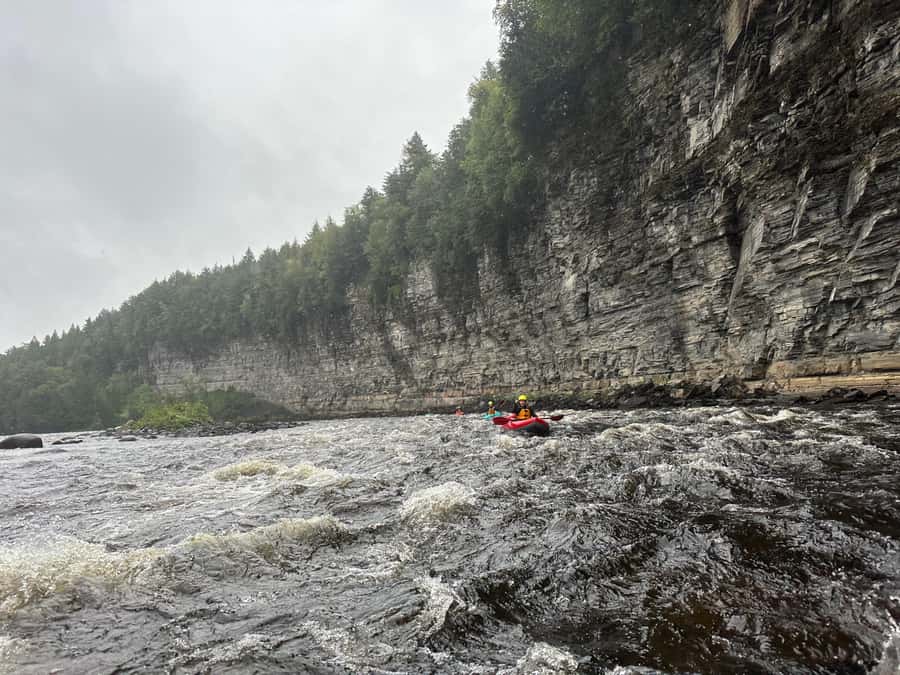
- 75 m schist cliffs in a Quebec-only canyon setting you can actually paddle through
- All-inclusive equipment (wetsuit, helmet, life jacket, paddle, boat, dry bag) plus photos
- Certified guide + safety training before you go, with calm-water practice when needed
- Family-friendly format (rafting from age 6, kayaking from age 11) in a controlled setting
- Eco add-ons like the CBJC salmon migration pass coupon and a 1% for the Planet contribution
- On-river fun that can include cliff jumping and swimming in the rapids when conditions allow
Quebec City’s Jacques-Cartier Canyon: where the scenery feels bigger than the clock
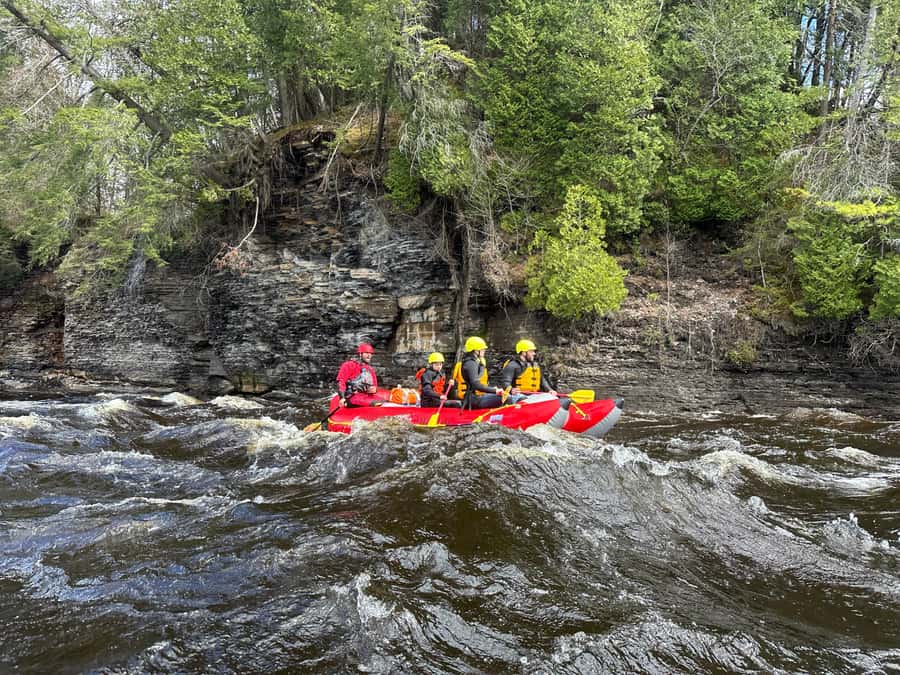
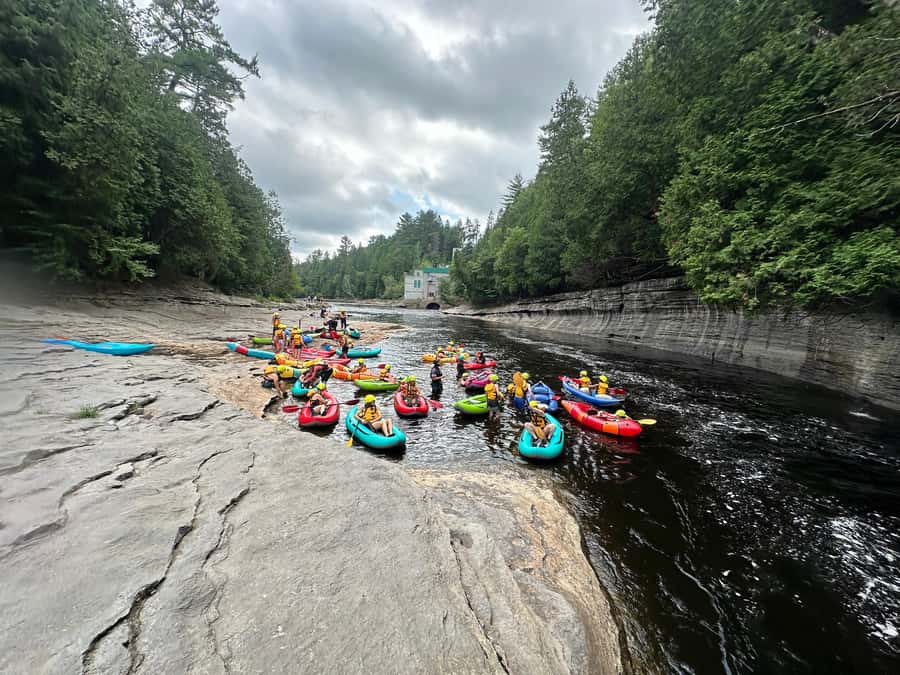
This outing is built for the kind of day-trip you actually want: short travel, real time outside, and a guided descent that feels like a micro-adventure. You’re not stuck in a long tour bus loop. You’re close to Quebec City, and within a half-day you’re inside the Jacques-Cartier River canyon, framed by steep rock walls.
The canyon itself is a big deal. You’ll be surrounded by tall schist cliffs, listed at up to 75 m, and that height matters. It makes the river feel like it is flowing through a carved corridor, not just along a scenic stretch. Even on the calmer sections, you get that sense of rock pressing close, with the river bending and tightening the view.
And yes, you get two goes at the water during the total 4-hour experience, not just one quick drop and back to the base. That extra run is part of why the trip feels like more than a ticket.
More rafting trips in Quebec City:
- Wet and Wild Elaho Exhilarator Rafting
★ 5.0 · 625 reviews - Rafting Adventure on the Kicking Horse River
★ 5.0 · 590 reviews - Half-Day Whitewater Rafting in Revelstoke
★ 5.0 · 410 reviews
Price and what $157 buys you (and what it saves you)
At about $157 per person for a 4-hour guided activity, the value is mainly in what’s bundled. You are not paying separately for transportation to the launch, waterproof gear, and an instructor who knows the river conditions.
Here’s what you get that usually costs money elsewhere:
- Transportation by bus from the base area to the launch
- Full equipment, including wetsuit, shoes, life jacket, helmet, paddle or boat setup, and a dry bag
- Certified guide supervision throughout the descent
- Photos, included so you can focus on staying steady and enjoying the moment
You also get two eco-linked extras that are more than marketing:
- A free coupon to visit the CBJC salmon migration pass, located about two minutes from the base area
- A commitment tied to the 1% for the Planet Outdoor Fund, plus river-protection actions connected to each descent
When you price it out in your head, the savings are simple. Rental gear and guide time are rarely cheap, and here the logistics are handled. For a first whitewater experience, that is a big part of the appeal.
How the 4-hour schedule really moves, from Rivière Concept to the canyon
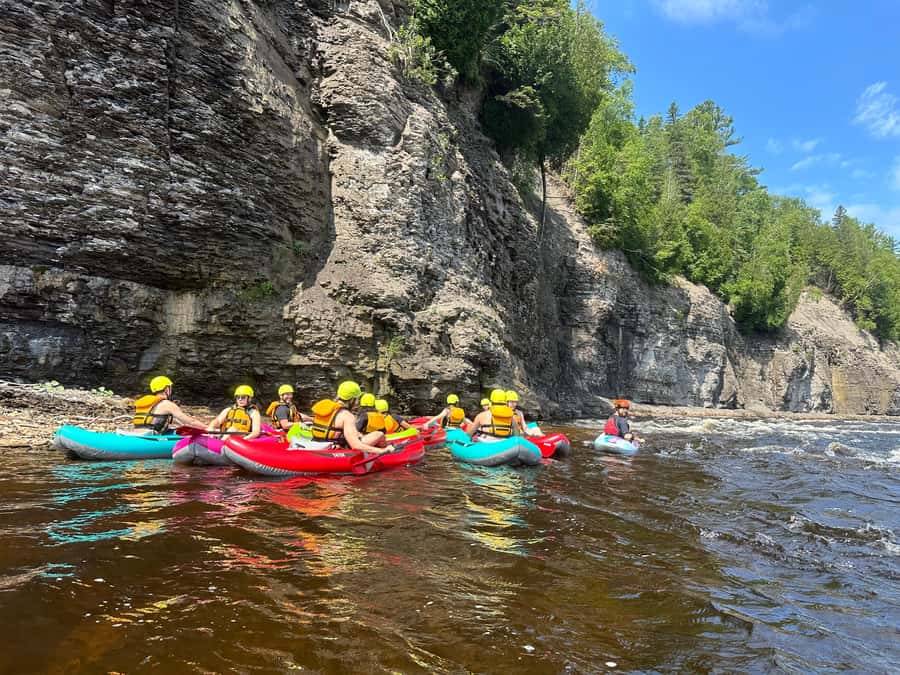
This trip is timed like a half-day because it is a half-day. The ride and briefing take place before the river time, and then you get a break and a photo stop before heading back out again.
A clear look at the rhythm:
- Starting point: Rivière Concept
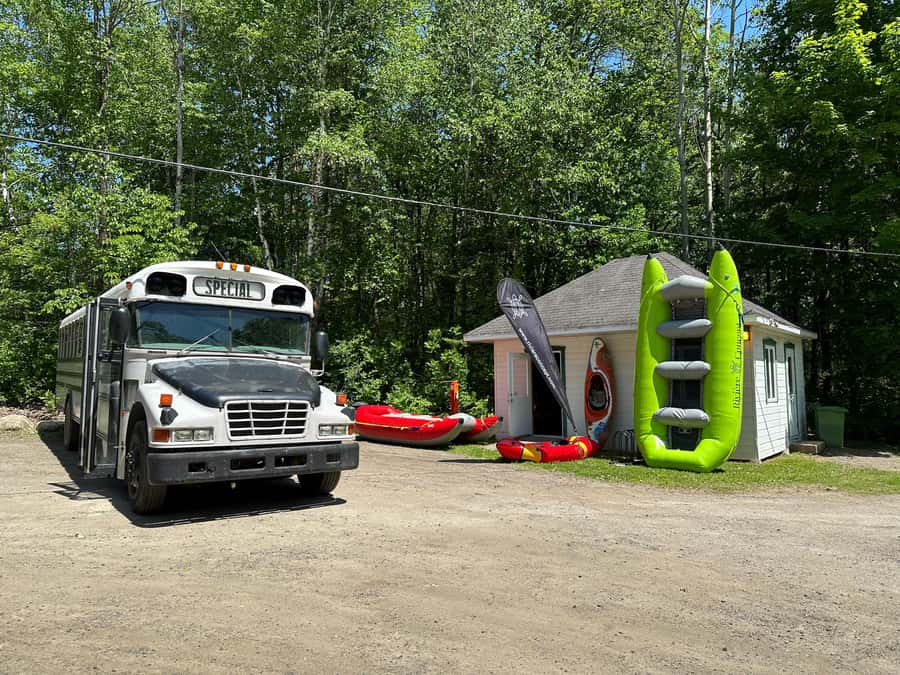
- Bus ride: about 15 minutes to get you to the launch
- Safety briefing at a secret stop: 15 minutes, with training you can actually use
- First descent: kayaking or rafting for about 1.5 hours
- Mid-trip stop: roughly 15 minutes for photos, scenic views, a picnic, and wildlife viewing
- Second descent: another 1.5 hours kayaking or rafting
- Return: back to Rivière Concept
That mid-trip break is useful. You’re not always exerting yourself. You can grab a snack (bring your own), warm up a bit, and reset before the second run. The wildlife viewing piece also matters if you like spotting birds or noticing how the river corridor functions beyond the rapids.
Safety training is not a formality here, and that changes everything
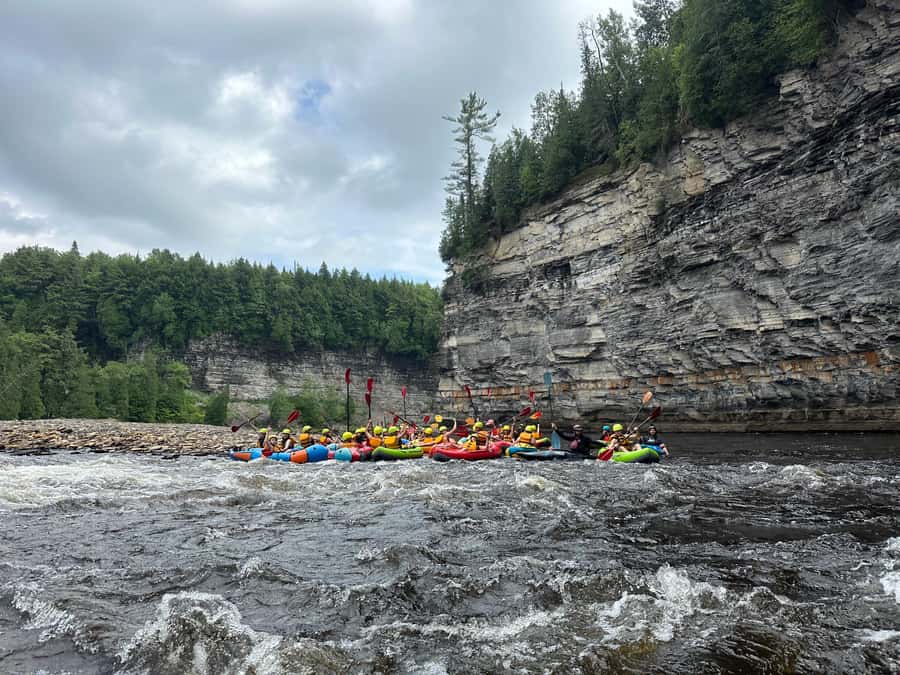
You get certified whitewater guides, and the activity is designed to be accessible in the real world, not just on a brochure. Before you go, everyone gets a reassuring safety briefing that covers the basics and gives you a sense of technique, so you’re not guessing once you hit current.
What I like about this approach is how it reduces the usual first-timer stress. You’re still going to get wet. You are still going to feel the river. But you’re not doing it blind.
On the kayaking side, it’s smart to expect a learning moment even if you already paddle on calm water. One rider noted that the early portion can include class III patches, and that falling out can happen more than you’d think at the start. The best takeaway is that the guides provide an opportunity to practice falling out and getting back in during calm water. That practice is not optional in spirit. If you skip it because you feel confident already, you might learn later the hard way.
For rafting, the setup is more forgiving for a wider range of ages. The activity is explicitly family-friendly, with rafting starting at age 6, and kayaking starting at age 11. That age split is a clue: kayaking asks more from you physically and technically.
A few more Quebec City days to compare
- Quebec City: Ice Canoeing with Hot Chocolate & Sauna
★ 5.0 · 73 reviews - Quebec City: Sea-Kayaking Tour in Orleans Island
★ 4.7 · 15 reviews - Quebec City Sunset Sea-Kayaking Tour with Mapple Wine
★ 3.5 · 3 reviews - Quebec City: Sunset Ice Canoe Experience with Sauna
★ 5.0 · 3 reviews
Rafting vs kayaking: which one fits your day and your comfort level
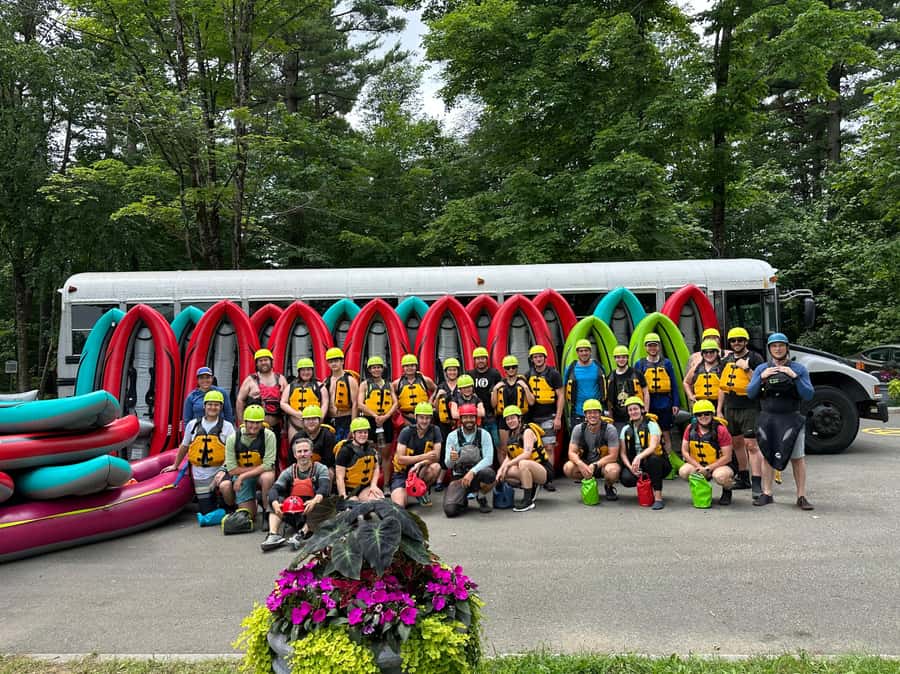
Both options take place on the same stunning Jacques-Cartier canyon stretch and both are supervised with the same all-inclusive gear approach. The difference is how much you control, and how much your body has to work.
Inflatable kayaking (great if you want hands-on control)
Kayaking is for you if you want to steer the experience yourself. You’ll paddle your way through the current, with calmer sections that let you enjoy the canyon walls without constantly bracing.
But kayaking also comes with a truth you should respect: it can be more athletic than people expect. Based on real-world feedback, being short (for example under about 5’2) or lacking upper body strength can make the kayak feel harder to manage. Also, in the earlier current, the odds of going in (a brief swim or full fall) can be higher than you assume.
If you go kayaking, do this:
- Take the calm-water practice seriously
- Listen hard during instructions about when to brace and how to recover
- Do not try to be heroic. When you start feeling tired, the river wins
Rafting (best if you want adventure with less personal strain)
Rafting is often the smoother pick for families and groups who want the thrill without the constant paddling effort. You still get rapids, scenery, and the excitement of riding the river in a supervised setting.
One of the strongest comments from recent experiences was about how guides adjust to the group. During breaks, you can spend time on the boat and even try different things yourself, instead of just standing around waiting for the next descent. That kind of group-sensitive coaching makes the experience feel more personal.
The river time: gentle stretches, fun rapids, and those cliff-and-swim moments
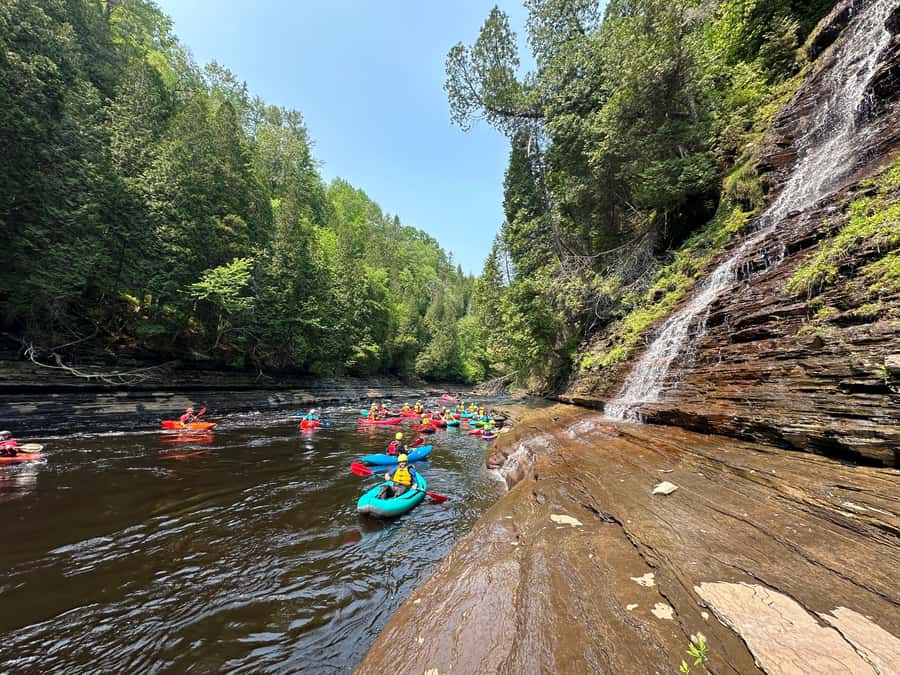
The descent is described as having gentle and fun rapids, alternating with calmer sections where you can admire the canyon and enjoy the river rather than just survive it. That alternating rhythm is a gift for first-timers. It lets you learn by doing.
Depending on day conditions and the plan for your group, the experience may include:
- Cliff jumping
- Swimming in the rapids
If you see that option on your briefing day, you’ll be glad the guides set expectations first. Water activities feel safer when you understand what is likely and what is not.
Also, a practical note about river reality: even in a supervised trip, there are big rocks and sunken trees in rivers like this. That is exactly why you do the safety training properly. If you fall out while kayaking, the river environment means you need to get back in quickly and follow guide instructions.
The eco stops and salmon migration pass coupon you’ll actually use
This trip doesn’t treat nature as scenery only. You get a coupon for the CBJC salmon migration pass, right near the base, and it supports conservation and restoration of the Jacques-Cartier River. That’s a nice pairing: you get the river experience, then you can connect it to what salmon do in this watershed.
There’s also a commitment tied to environmental protection: each descent protects the river through actions like salmon-support efforts and river cleaning, plus the 1% planet contribution. You won’t be doing a complicated science project mid-trip, but you are choosing an operator that at least builds protection into how the experience runs.
And if your group enjoys wildlife, the on-route wildlife viewing stop is worth paying attention to. The river corridor is living habitat, not just water moving through rocks.
What to pack, what to skip, and the simple rules that keep it safe
This is an easy packing list, because a lot is provided. Still, you need the right basics.
Bring:
- Towel
- Water
- Beachwear
You’ll also want your own snack since meals are not included. The company gives you a waterproof bag, which is handy for keeping food dry and not turning your half-day into a damp snack disappointment.
Not allowed:
- Alcohol
- drugs
Additional comfort tip: even if you think you’ll be warm, you’re going in and out of water on a moving river. Dry off between runs when you can, and treat the wetsuit like part of the system, not just a costume.
Who this trip fits best, and who should choose something else
This is a family-friendly activity by design, but it still has real constraints.
Suitable:
- Families looking for a safe first whitewater experience
- Couples or small groups who want a memorable canyon outing near Quebec City
- People who can follow instructions and handle getting wet
Age and personal situation limits:
- Not suitable for children under 6 (for rafting)
- Kayaking is from age 11
- Not suitable for pregnant women
One more practical fit check for kayaking: if you are very small or worried about upper body strength, raft first. If you do kayak, plan to use the calm-water practice and go in with the mindset that you might fall. That mindset turns surprise into preparation.
When high water changes the plan
There’s one important operating reality. During periods of high water levels, like spring or after heavy rain, the descent is done only by raft. That means kayaking may not run that day. If kayaking is your top choice, it’s smart to check conditions with the provider when you book.
Should you book Jacques-Cartier canyon rafting or kayaking?
I’d book this if you want a guided, all-inclusive half-day that combines real rapids time with safety coaching and jaw-dropping canyon views. The 75 m cliffs plus the fast timing from Quebec City make it a strong value play, and the included gear means you do not waste energy on logistics.
I would think twice if you are kayaking and you are worried about strength, or if your group includes kids under the stated age guidance. And if you prefer guaranteed kayaking, remember high water can switch the descent to raft-only.
If you like a plan that feels structured, but still lets you play, this is a solid choice. It’s the kind of adventure that makes you want to come back and try the next level of water, without forcing you to start there.
FAQ
What ages can participate in rafting and kayaking?
The experience is designed as family-friendly. Rafting starts at age 6, and kayaking starts at age 11.
How long is the activity, and how far is it from Quebec City?
The total duration is 4 hours. The activity is located about 30 minutes from Quebec City.
What’s included in the price?
Your price includes equipment (wetsuit, shoes, life jacket, helmet, paddle, boat, and dry bag), certified guide supervision, transportation to the launch by bus, and included photos. You also receive a free coupon for the CBJC salmon migration pass and your choice supports the 1% for the Planet outdoor fund.
What should I bring with me?
Bring a towel, water, and beachwear. You should also bring your own snack since meals are not included.
Is kayaking always available?
Not during high water periods. During spring or after heavy rain, the descent is done only by raft.
What languages are the guides/instructors?
The activity is offered in French and English.
Are there restrictions on what I can bring?
Alcohol and drugs are not allowed.
Recently listed around Quebec City
- The Montagnarde: Guided horseback ride on mountain trails.★ 4.9 · 13 reviews
- Stoneham: Nordic spa Thermal Experience★ 4.9 · 20 reviews
- Quebec City’s History in Virtual Reality★ 4.5 · 141 reviews
- Quebec : Old Town Walking Tour With A Local Guide★ 4.5 · 38 reviews
- Quebec Interactive Street Theatre: “Crimes in New France”★ 4.6 · 175 reviews
- Quebec: Christmas Interactive Walking Tour of New France★ 4.3 · 7 reviews
- Quebec City Sunset Sea-Kayaking Tour with Mapple Wine★ 3.5 · 3 reviews
- Quebec City: Winter Walking Tour in Old Quebec★ 4.9 · 30 reviews
Whitewater Rafting, compared.
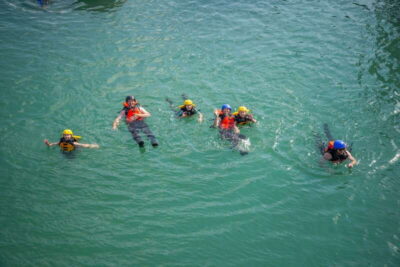
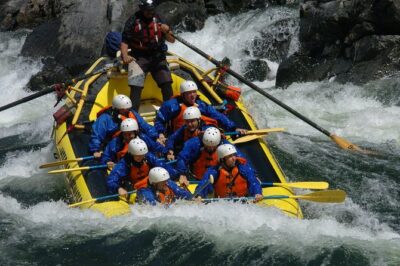
Clearwater, BC, Rafting, Finish in Canadas waterfall capital!
Read our review →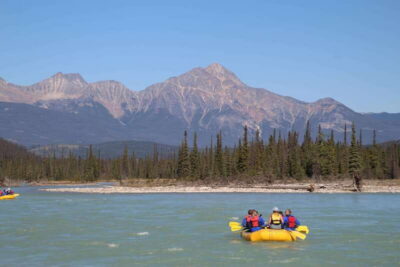
Jasper National Park: 2-Hour Whitewater Rafting
Read our review →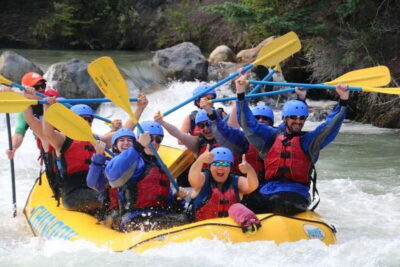
Afternoon Kananaskis River Whitewater Rafting Tour
Read our review →
Browse the lists this tour appears in