
REVIEW · CITY TOURS
Private Tour: Quebec City Walking Tour
Quebec City feels made for feet. This private 2.5-hour walking tour links the city from 1608 to today, with a pro guide and stops in UNESCO-listed Old Quebec and beyond. You’ll move through the layers of French Canada at a human pace, with real context for why the city looks the way it does.
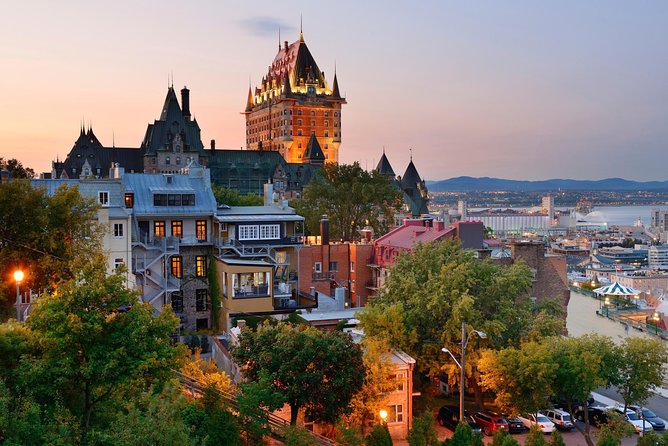
I love the customizable feel, because you can steer the walk toward what you care about most. I also like that the route gives you standout photo moments, including Terrasse Dufferin, Place Royale, and the view-heavy stretch around Château Frontenac.
One possible drawback is weather and terrain. Quebec City can be cold, windy, and very hilly, and even an easy pace still means stairs and uneven streets.
In This Review
- Quick hits
- Why this private Quebec City walk works so well
- Getting oriented at Centre Infotouriste de Québec (and why that matters)
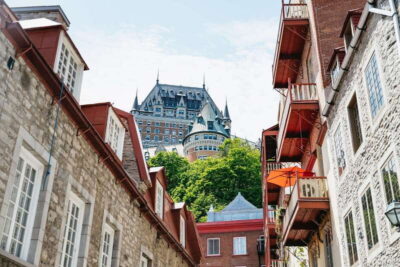
- Upper Town (Haute-Ville) for the first hour, with hidden alleys and quick wins
- Old Québec cobblestones and the 1608 to today story in motion
- Terrasse Dufferin: St. Lawrence views plus Château Frontenac context
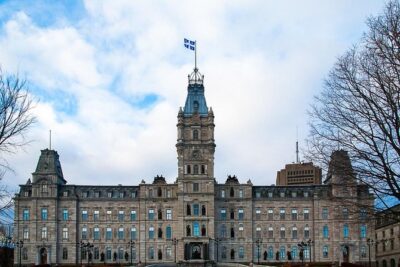
- Hôtel de Ville and Place d’Hôtel de Ville for civic power in stone
- Notre-Dame de Québec Basilica Cathedral, and what entering depends on
- Place Royale: French America’s birthplace feeling in the middle of the walk
- Notre-Dame-des-Victoires Church: the spot where Quebec began
- Quartier Petit Champlain and the Break-neck stairs photo moment
- How customization can bring in walls, citadel life, and extra highlights
- Pace, cold weather, and stairs: the practical reality of Upper and Lower Town
- Guides are the difference: Carole, Robert, Etienne, and the rest
- Price and value: what $112.88 buys you (and when it’s a smart spend)
- Should you book this Quebec City private walking tour?
- FAQ
- How long is the Quebec City private walking tour?
- Is this tour private or will I join other groups?
- What language is the guided commentary provided in?
- Where does the tour start and end?
- Can the itinerary be customized to my interests?
- Can I get a full refund if I cancel?
Quick hits
- Private guide, real tailoring: you can adjust the stops and pace to your interests.
- Old Quebec without the confusion: you get the story line behind the cobblestones and the walls.
- Terrasse Dufferin views: the St. Lawrence perspective plus Château Frontenac context.
- Place Royale as a time machine: you learn why this spot matters to French America.
- Petit-Champlain street moments: the Break-neck stairs and the classic lower-town charm.
- End near the Funicular: you finish at/near the Funiculaire du Vieux-Québec for an easy return.
Why this private Quebec City walk works so well
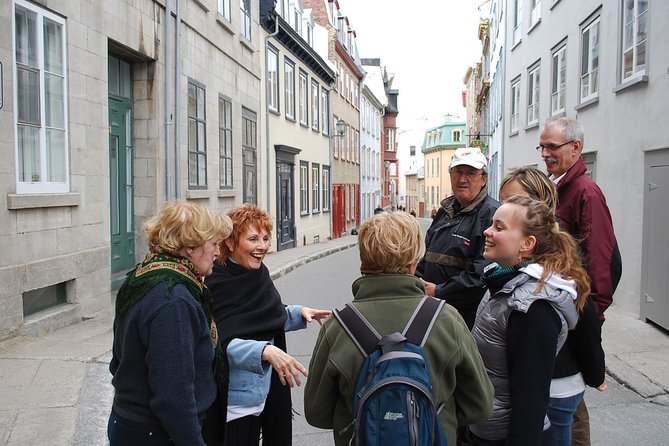
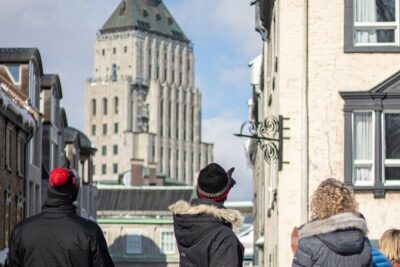
Québec City rewards slow movement. On foot, you feel the city’s plan in your legs, from the Upper Town viewpoints down into Old Québec’s streets. This tour is built for that, with a local guide giving a steady narrative while you hop between nearby highlights.
At $112.88 per person, the value depends on how you travel. Since it’s private, you are paying for a guide plus flexibility. If you have two people, it can feel like a straightforward guided city intro, especially compared to piecing together multiple bus rides and self-guided detours.
This is also a great fit if you want context, not just locations. The tour is framed as a “past to present” story, from 1608 onward, so you’re not staring at monuments wondering what you’re looking at. You’ll also spend time in the classic parts of the city that matter most for first-timers, including areas tied to the city’s defenses and founding.
More Walking Tours in Quebec City
- Quebec City Walking Tour
★ 5.0 · 4,716 reviews - Old Quebec City: Grand Walking Tour with Private Option
★ 4.8 · 2,609 reviews - Old Quebec Classique Walking Tour with Funicular
★ 5.0 · 1,317 reviews
Getting oriented at Centre Infotouriste de Québec (and why that matters)
Your meeting point is the Centre Infotouriste de Québec on Rue Sainte-Anne (12 Rue Sainte-Anne, Québec, QC G1R 3X2). Starting here makes sense because it’s a practical jump-off for the Upper Town walking area, where you’ll begin your route.
You’ll start with your guide and an ongoing introduction as you move. That helps a lot because Quebec City can feel like two cities stacked on a hill. Getting the “how it all connects” explanation early means later viewpoints and streets click into place.
Since the tour is private, you can also ask early questions that shape the rest of the walk. If you care about the military side, the church history, or the river views, you can flag it right away so the guide steers accordingly.
Upper Town (Haute-Ville) for the first hour, with hidden alleys and quick wins
The tour’s first stop is Upper Town (Haute-Ville) for about one hour. This is where you get your bearings fast, walking with your private guide through a mix of main routes and smaller alleyways. The point is not to rush. The point is to connect street shape, elevation, and history so you understand what you’re seeing as you go.
One of the strongest parts of the experience is the option to customize. You can tell your guide what you want to prioritize, or you can let the guide lead if you’re happy with a classic best-of route. Either way, the format works well for people who want structure but dislike rigid group touring.
A quick practical note: Upper Town means hills. Even when pacing is easy, expect steep grades and steps. Comfortable walking shoes are a must, and if it’s cold, dress for wind as much as temperature.
Old Québec cobblestones and the 1608 to today story in motion
Next comes Old Québec, where you’ll walk through the historic core and get commentary that runs from the founding era to modern times. The tour description calls out learning about Québec’s history and culture while you experience the look and feel of Old Québec, including cobblestone streets and stone buildings.
This portion is short on the schedule (about five minutes listed for the stop), but it functions like the narrative hinge. Once your guide frames what you’re about to see, the city stops being a random collection of landmarks and starts behaving like a timeline.
Old Québec is also where you’ll feel the French Canadian identity most strongly. The narrow streets and old stone architecture set the tone, and your guide’s storytelling helps you notice details you might otherwise miss, like the logic of where key institutions were placed.
A few more Quebec City days to compare
- Quebec: Crimes of New France Animated Walking Tour
★ 4.6 · 926 reviews - Quebec City: Old Quebec Classic Walking Tour with Funicular
★ 4.9 · 695 reviews - Uncover Old Quebec: Fun Walking Tour of the City with Local Guide
★ 5.0 · 667 reviews - Quebec City: Old Quebec Historical Walking Tour
★ 4.8 · 409 reviews
Terrasse Dufferin: St. Lawrence views plus Château Frontenac context
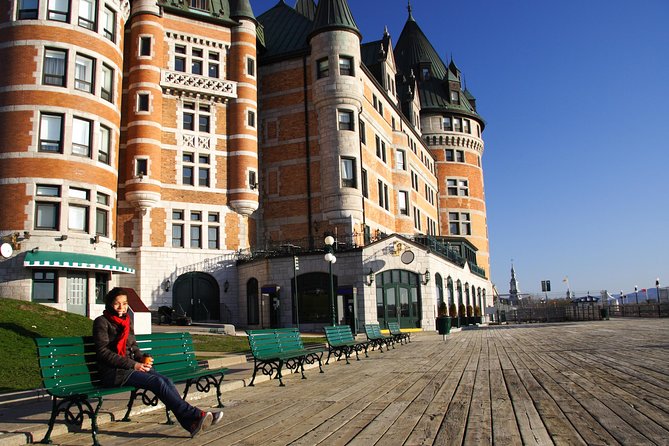
Terrasse Dufferin is one of the payoff stops, with about 10 minutes here. You’ll look out toward the St. Lawrence River, and your guide ties the river into the city’s story, including how the river shaped life here and the significance of the riverside setting.
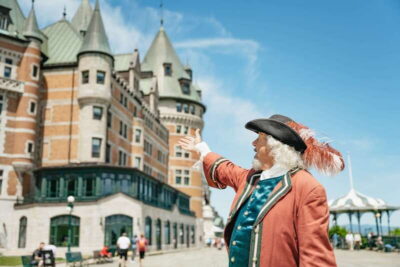
And yes, you’ll also get Château Frontenac context. Seeing the iconic façade is one thing. Knowing what role this area plays in the city’s identity is another. This stop is also a natural photo break without turning the tour into a long pause.
If you’re visiting in winter or shoulder season, treat this as a “dress up and photograph fast” moment. Wind off the river can make it feel colder than you expect, even when the walk itself is comfortable.
Hôtel de Ville and Place d’Hôtel de Ville for civic power in stone
You’ll pass by Hotel De Ville de Quebec and Place d’Hôtel de Ville with about 10 minutes allocated. This section gives you a feel for civic architecture and the visual language of power in the city.
It’s not just sightseeing. It’s a way to balance the tour’s focus. You get defense and religion in other parts, and here you see governance and public life in the same urban setting. It helps you understand how layered the city is, from everyday institutions to fortress-minded planning.
Because this is part of a walking route, you’ll move through it as part of a sequence rather than as a one-off stop. That makes it easier to remember, especially if you’re trying to build a mental map during a short visit.
Notre-Dame de Québec Basilica Cathedral, and what entering depends on
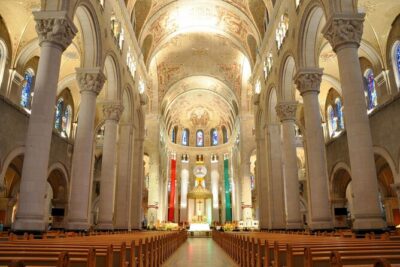
The schedule includes Notre Dame De Quebec Basilica Cathedral with about five minutes, and it notes that if possible, you will enter. The big idea is the church’s role as a religious center for nearly 400 years, and it is positioned on the important site where Quebec’s religious life took root.
Entering (if access allows) is one of those moments that adds depth quickly. Even if you only get a brief interior look, it helps you connect the exterior stonework and scale to the long history your guide has been describing.
If entry is not possible, you’ll still get the core orientation and explanation. Plan to treat this as a “worth it either way” stop, because the narration should land the meaning of what you’re seeing.
Place Royale: French America’s birthplace feeling in the middle of the walk
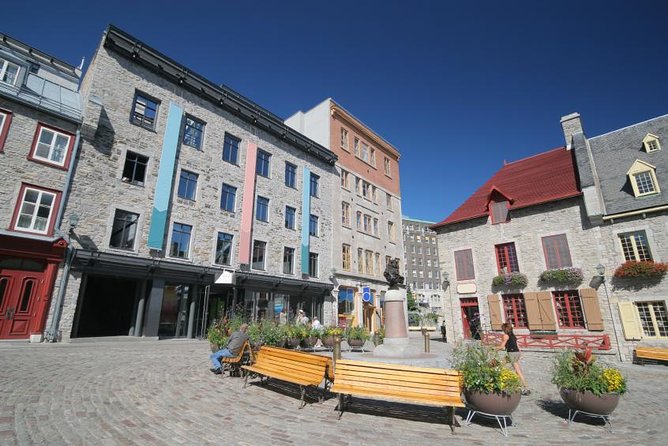
Place Royale is another major stop with about 10 minutes. It’s often described as the birthplace of French America, and your guide will frame it as the early colony era in how the square developed and what it represented.
This is one of the easiest places to connect feelings with facts. The square looks like history, but your guide makes it understandable as a starting point for French settlement and how the area grew from there.
If you like architecture and town planning, this stop will satisfy you. If you prefer stories and politics, it still works because Place Royale is tied to the founding story line.
Notre-Dame-des-Victoires Church: the spot where Quebec began
You’ll also see Notre-Dame-des-Victoires, the church referenced as standing on the very spot where Quebec began. The tour treats it as a meaningful landmark, not just another church on a map.
This is a good stop for people who want “origin moments,” because the guide’s focus here is on why the place matters in the city’s origin story. It’s also a quieter pause compared with the more view-oriented stops, which can help if you’re pacing yourself through a 2.5-hour walk.
Short version: if you want a stop that feels like a direct line to the earliest chapters of the city, this is it.
Quartier Petit Champlain and the Break-neck stairs photo moment
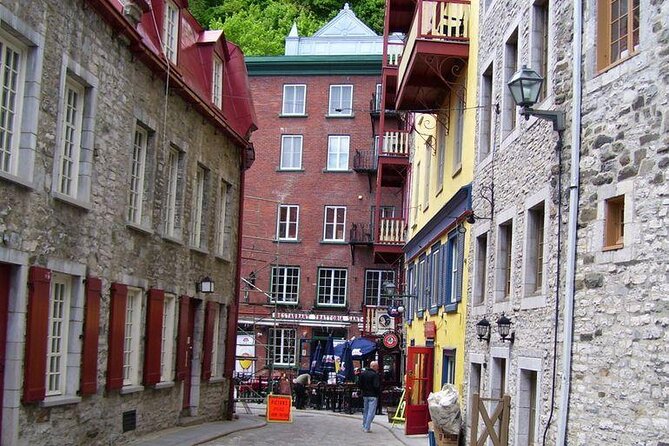
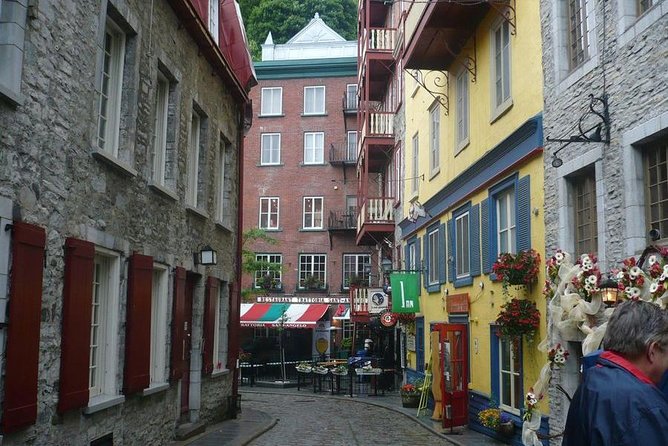
Quartier Petit Champlain is listed for about five minutes, but it’s packed with character. You’ll see the Break-neck stairs and the pretty street experience for which Petit-Champlain is known. Your guide will point out what makes this area special and how it fits into the broader story of Old Québec.
This is often where the city looks most like a postcard without requiring you to chase a perfect angle for long. The stairway detail and the street layout give you natural composition, and you’ll likely want to linger briefly even if the scheduled stop is short.
In cold weather, keep it practical here. Streets can be slippery and stairs take attention. If you’re traveling with someone who moves slowly, tell your guide so the group can handle the slopes safely and comfortably.
How customization can bring in walls, citadel life, and extra highlights
The tour is described as customized, so you can steer toward themes that interest you. The broader highlights include classic Quebec City power spots like the Fortifications of Québec, Citadelle of Québec, and places around the harbor and Old Port areas.
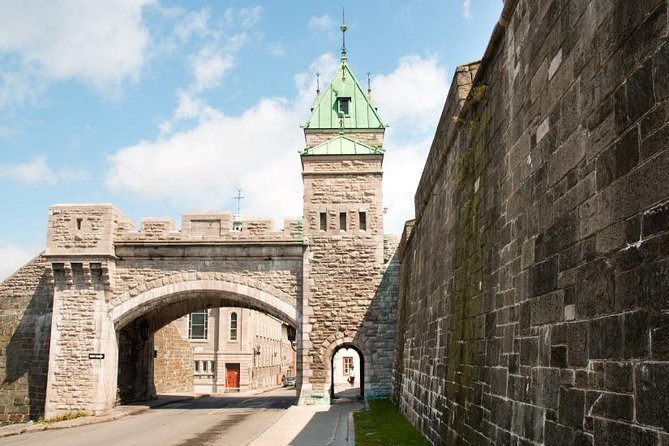
If you’re a history buff, the city walls are not just scenery. You’ll learn about the defense system and how the walls functioned for centuries. The tour description also notes that Québec City is the only walled city north of Mexico, which is a fun fact to file away as you walk the areas connected to the fortification story.
For military and royal history lovers, the Citadelle of Québec is described as an active military installation and official residence of both the Canadian monarch and the Governor General of Canada. Whether you can fit it in during the 2.5-hour walking time depends on how you pace, but requesting it is exactly the kind of adjustment this tour is meant to handle.
In other words, the “standard” route gives you the core landmarks, and customization lets you go deeper in the direction you care about.
Pace, cold weather, and stairs: the practical reality of Upper and Lower Town
This is a walking tour through real streets, and the big practical factor is vertical terrain. Even with a guide adjusting pace, you still cover hilly sections and stairs, and that affects comfort and energy.
One thing I’d plan around is cold. Quebec City can be chilly, and if you’re dressed for indoor comfort, you’ll feel it fast on an outdoor walk. If you visit in winter, layer up, wear a hat, and bring gloves even if you think you might skip them.
The other reality is pace control. The experience is built to be tailored, and guides have adapted to different needs, including slower walking. That said, if your group wants very specific topics, say so clearly. One negative experience shared a mismatch where the guide did not follow the group’s interests well. You can reduce that risk by giving your guide a short list at the start: top two priorities, one must-see, and one thing you want to skip.
Guides are the difference: Carole, Robert, Etienne, and the rest
The tour stands or falls on the guide, and the feedback includes many guide names tied to high marks. You may get someone like Carole, praised for being funny, engaging, and easy to be around. Or Robert, repeatedly singled out for patience, enthusiasm, and answering questions well. Other names that appear include Etienne, Yves, Chantal, Véronica, Terry, and Guy, with themes of tailoring the route and keeping the pace manageable.
Even without knowing your guide in advance, you can use that pattern to your advantage. When you meet your conductor, ask how they normally pace the route and what sections they most often tailor. Then tell them what would make the tour a success for you. A good private guide responds to that immediately.
If you care about humor, ask for the lighter side of Quebec’s stories. If you want architecture, ask for the building and defense details. This is private, so the best outcome comes from a quick “what do you want” conversation early on.
Price and value: what $112.88 buys you (and when it’s a smart spend)
Here’s how I think about the price. You’re paying for a private professional guide for about 2 hours 30 minutes, plus a structured walk through major Upper and Old Town landmarks. Each listed stop is shown as ticket-free on the schedule, which matters because you are not stacking entrance fees on top of the guide cost.
Whether it feels like a steal or a splurge depends on your group setup. If you’re two people, you’re essentially buying a tailored intro at a price that can be competitive with paying for multiple standalone tours or transport plus a guide. If you’re a group of more than two, the private format can feel even better because costs spread while the experience stays personalized.
What you’re really buying is time. Quebec City is compact, but it’s also easy to get turned around between Upper Town and Old Québec. A good guided walk saves you the frustration time, and it gives you a narrative map you can use later when you explore on your own.
Should you book this Quebec City private walking tour?
Book it if you want a first visit that makes sense quickly. You’ll get a focused introduction from Upper Town to Old Québec, with classic anchors like Terrasse Dufferin, Place Royale, and Petit Champlain. The customization is the real reason to choose it, especially if you’re interested in the city walls and defense story, or the royal and military angle tied to the Citadelle.
Skip or rethink if your group struggles with hills, stairs, or cold weather. The walk is short on paper but vertical in reality, and you will spend time on uneven streets. If mobility is a concern, talk to your guide right at the start about a slower pace and which parts matter most.
If you want a guided experience where the guide can match your interests and your timing, this is a strong choice. And finishing near the Funiculaire du Vieux-Québec is a nice bonus if you plan to continue exploring right after.
FAQ
How long is the Quebec City private walking tour?
The tour is listed at about 2 hours 30 minutes.
Is this tour private or will I join other groups?
It is a private tour/activity, meaning only your group participates.
What language is the guided commentary provided in?
Live commentary is available in English.
Where does the tour start and end?
The tour starts at Centre Infotouriste de Québec, 12 Rue Sainte-Anne, Québec, QC G1R 3X2. It ends at the foot of the Funiculaire du Vieux-Québec, 16 Rue du Petit Champlain, Québec, QC G1K 4H4.
Can the itinerary be customized to my interests?
Yes. This is described as a customized experience, and you can include specific requests and desired attractions to the guide during the tour.
Can I get a full refund if I cancel?
Yes. Free cancellation is offered if you cancel up to 24 hours in advance for a full refund. If you cancel less than 24 hours before the start time, the amount paid is not refunded.
Recently listed around Quebec City
- The Montagnarde: Guided horseback ride on mountain trails.★ 4.9 · 13 reviews
- Stoneham: Nordic spa Thermal Experience★ 4.9 · 20 reviews
- Quebec City: Rafting or kayaking – Jacques-Cartier Canyon★ 4.7 · 7 reviews
- Quebec City’s History in Virtual Reality★ 4.5 · 141 reviews
- Quebec : Old Town Walking Tour With A Local Guide★ 4.5 · 38 reviews
- Quebec Interactive Street Theatre: “Crimes in New France”★ 4.6 · 175 reviews
- Quebec: Christmas Interactive Walking Tour of New France★ 4.3 · 7 reviews
- Quebec City Sunset Sea-Kayaking Tour with Mapple Wine★ 3.5 · 3 reviews
City Tours, compared.

Half-Day Trip to Montmorency Falls and Ste-Anne-de-Beaupré from Quebec city
Read our review →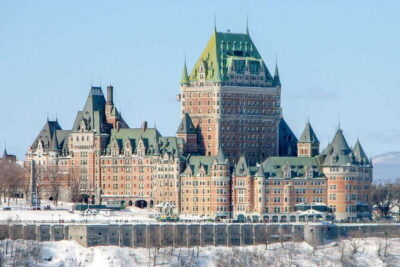
Old Quebec City: Grand Walking Tour with Private Option
Read our review →
Quebec City and Montmorency Falls Day Trip from Montreal
Read our review →Browse the lists this tour appears in