REVIEW · MONTREAL TOURS
Pen Making With The Woodworker Himself
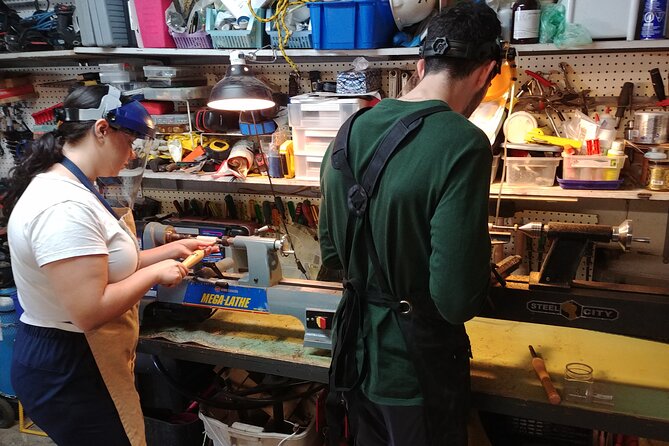
Make a pen that fits your hand. This Montreal workshop is all about wood turning you can actually do, guided by woodworker Jonathan, with a clear safety plan and a full step-by-step process. I love that you get to operate the lathe yourself, not just watch. I also like that you start by choosing your wood, so the pen you take home feels personal. The one drawback to consider is that the session is only about 3 hours, so if you are chasing a super complex design or extra-fancy finishing time, you may feel a bit rushed.
You’ll be in a small setup, up to 9 people, and the class is offered in English, which makes it easier to follow along and ask questions. The experience runs from 4710 Rue Saint-Ambroise, Montreal, and it ends back at the same meeting point, so you can plan your day without extra transfers. You’ll also get a mobile ticket and confirmation at booking, which keeps things simple.
If you enjoy hands-on crafts, tools, and learning practical skills you can use again, this is a very good fit. You should also know this is a lathe-based activity, so you’ll want to feel comfortable concentrating for the safety briefing and the machine time.
In This Review
- Key things to know before you go
- Why this wooden pen workshop makes a great Montreal day
- Getting oriented at 4710 Rue Saint-Ambroise
- Safety briefing and lathe basics that keep the class fun
- Choosing your wood: local character and exotic options
- The demonstration: turning, profiling, sanding, polishing, assembling
- Hands-on lathe time with Jonathan’s relaxed teaching style
- Sanding, polishing, and assembly: where the pen becomes finished
- What you take home, and how to think about care
- Price and value: $161.10 for 3 hours of hands-on skill
- Who should book this Montreal pen-making class?
- Final call: should you book Pen Making With The Woodworker Himself?
- FAQ
- How long is the pen-making experience?
- Where does the activity start?
- Is the experience offered in English?
- What is the group size limit?
- When will I receive confirmation after booking?
- Is there a mobile ticket?
- Are service animals allowed?
- Is it near public transportation?
- Can most people participate?
- What is the cancellation policy for a full refund?
Key things to know before you go
- Small group coaching (max 9), so you’re not lost in the crowd
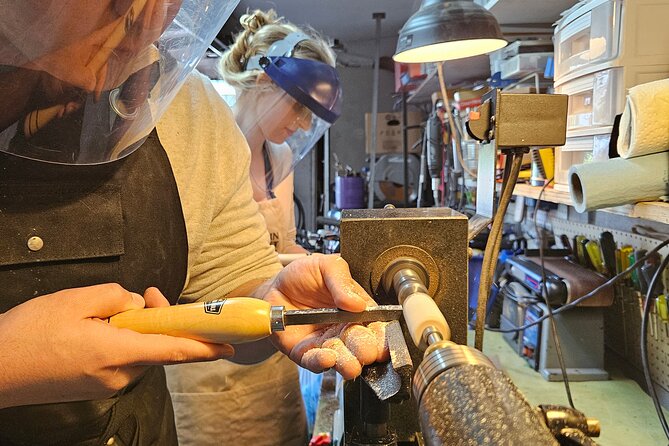
- You choose your wood from local and exotic options, then build a pen around it
- Safety first, with a clear walkthrough before anyone starts turning
- Hands-on lathe time, guided from rough shaping through finishing
- You take home what you make, turning it into a real keepsake, not a souvenir-like thing
Why this wooden pen workshop makes a great Montreal day
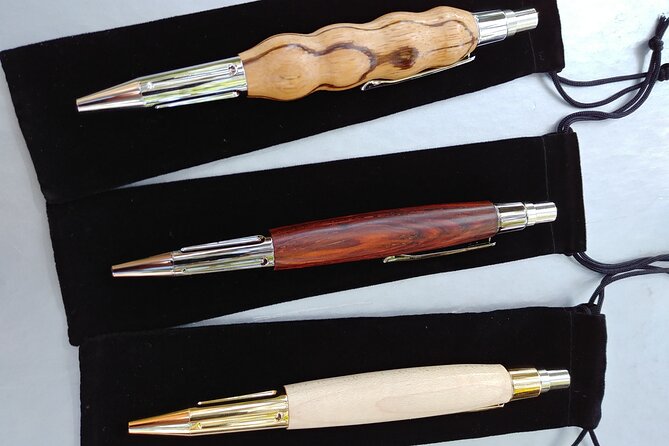
A wooden pen sounds small, but it’s a smart way to learn real technique. Pens are compact, which means you can see progress fast, and you get a finished object you’ll actually use. In this class, the goal is simple: turn a piece of wood into a working pen, with you doing the key steps under guidance.
The best part is the mix of explanation and doing. You get the setup and context, then you move to hands-on turning, profiling, sanding, polishing, and assembling. That blend matters because it turns a fun activity into usable skill. If you’ve ever watched woodworking videos and thought, I could never do that, this type of class is built to translate theory into workable steps.
Also, I like the personal angle. You pick the wood, and that choice shapes the look immediately. Even if two people follow the same process, their pens won’t look the same once the grain and color are different.
A few more Montreal days to compare
- Montreal: Guided Bus Tour
★ 4.4 · 3,064 reviews - Montreal: Hop-On Hop-Off Double-Decker Bus Tour
★ 4.1 · 2,760 reviews - From Montreal: Quebec City and Montmorency Falls Day Trip
★ 4.5 · 2,669 reviews
Getting oriented at 4710 Rue Saint-Ambroise
The workshop starts at 4710 Rue Saint-Ambroise in Montreal, and it ends back at the same spot. That means you can show up, check in, and focus on the experience without figuring out complicated meeting points or hopping between locations.
It’s also near public transportation, which helps if you don’t want to rely on parking. And since it’s a mobile-ticket experience with confirmation at booking, you can keep your day light on paperwork.
For a smooth start, arrive a little early. Wood turning and tool setup can take a few minutes, and you’ll feel calmer if you’re not rushing while you’re learning where everything is and how the lathe works.
Safety briefing and lathe basics that keep the class fun
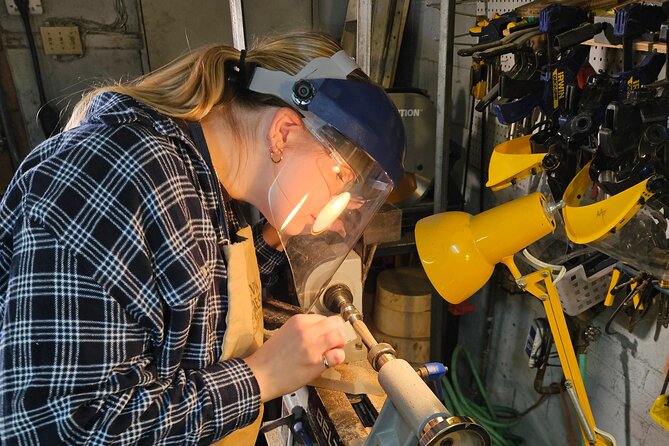
Before anyone starts shaping wood, you get a thorough safety briefing. That’s not a boring add-on. In a lathe class, safety is what protects your fingers, your focus, and the quality of your work.
You’ll also get a brief look at the lathe and its parts, plus some context on the machine’s history. The history bit is short, but it gives you a better mental model of how the tool works and why each component matters. That makes the instructions feel more logical when you’re standing at the machine.
Then the tone shifts to practical. You’re there to make a pen. So you’ll learn what to do, how to do it, and what to watch for as the wood rotates. If you are naturally cautious, you’ll appreciate the structured approach.
If you are the type who learns best by seeing, that safety and orientation phase is also where you get your bearings fast, before the turning starts.
Choosing your wood: local character and exotic options
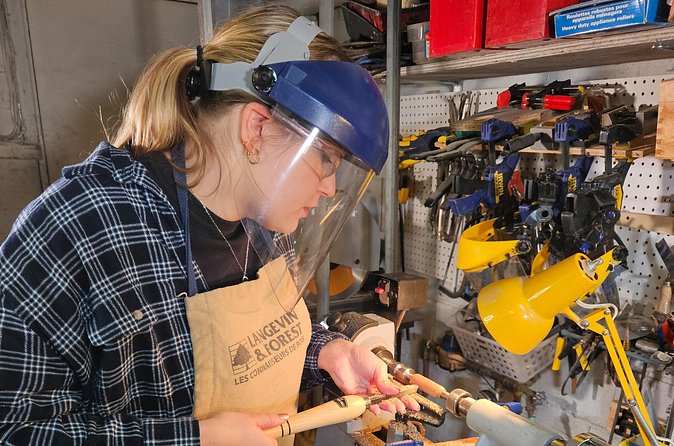
One of the nicest parts of this workshop is that you choose your wood. You can pick from a variety of exotic and local woods, so you’re not stuck with whatever is on the shelf.
This matters for two reasons.
First, your pen’s look is decided right at the start. Grain patterns, color, and how the wood behaves during turning will all affect the final result. Even small differences in wood can change the feel of the finish.
Second, your pen becomes a genuine personal object. A workshop pen is different from a store-bought pen because the raw material came from your choice. It’s the difference between a souvenir and a keepsake.
I’d suggest you think about what you actually want to use the pen for. If it’s for everyday writing, you might prefer a wood that looks classy but doesn’t feel too wild in grain. If it’s a gift, choose something that matches the person’s style. The class gives you the chance to make that decision in person.
A different day out in Canada:
- Montreal Mile End Authentic Food Tour with 7 Delicacies Tastings
★ 5.0 · 2,598 reviews - Quebec City and Montmorency Falls Day Trip from Montreal
★ 4.0 · 2,437 reviews - The Original Old Montréal Walking Tour by Guidatour
★ 4.5 · 2,217 reviews - Old Montreal Small-Group Walking Tour | Max 10 | by MTL Detours
★ 5.0 · 2,088 reviews
The demonstration: turning, profiling, sanding, polishing, assembling
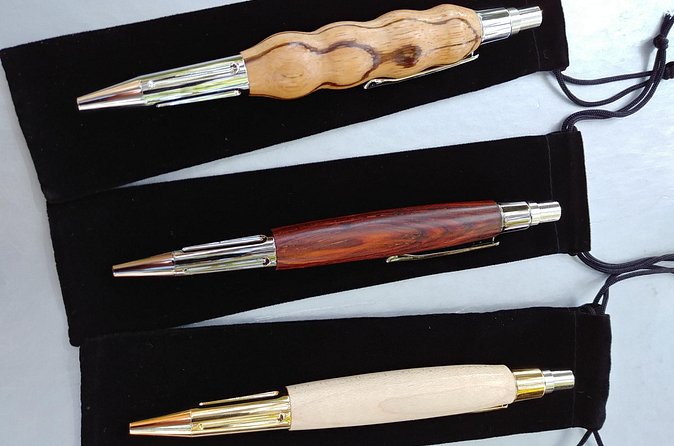
Before you take the driver’s seat, you watch a detailed demonstration from start to finish. This is where you learn the workflow in the real order you’ll use it later.
Here’s the sequence you can expect to understand:
Turning: shaping the wood on the lathe so it becomes pen-ready in size and form. This is the core skill, and it’s where good guidance matters most.
Profiling: creating the pen-specific contours so it looks like a pen, not just a turned dowel.
Sanding: smoothing the surface so the wood is comfortable to hold and looks clean.
Polishing: bringing the finish up to a level that makes the grain pop.
Assembling: putting the pen parts together so it works as a pen, not just a fancy wooden cylinder.
The demo is also useful for timing. Once you see the full run, you understand that the “hard part” isn’t only the turning. Finishing and assembly are what turn your wood into a pen you can actually write with, and it helps to see those steps in context from the start.
Hands-on lathe time with Jonathan’s relaxed teaching style
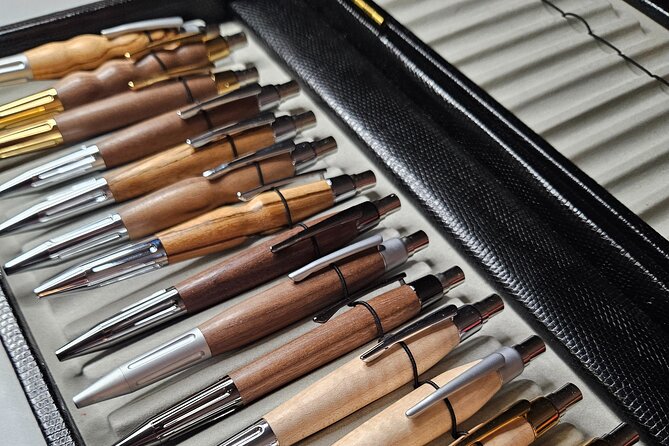
The class gives you hands-on time, and the guidance is direct. One of the standout strengths you can expect is how Jonathan teaches with a relaxed, fun energy. The pace feels structured, but not tense, so you can ask questions and keep moving.
In a small group, that kind of coaching makes a huge difference. With only up to 9 people, you’re more likely to get the specific help you need at the exact moment you need it. That’s the difference between learning and just participating.
When it’s your turn at the lathe, focus on consistency. Wooden turning rewards patience more than speed. You’re shaping and measuring with attention, and the goal is a smooth, even result that will sand and polish well.
If you are worried you’ll mess up, that’s normal. This setup is designed for learning, not perfection from minute one. You’ll be guided through the key steps, so you’re not stuck figuring it out alone.
And yes, the class atmosphere is genuinely enjoyable. A lot of people think a tool workshop will be stiff. Instead, the teaching style tends to keep things light while still being responsible about safety and technique.
Sanding, polishing, and assembly: where the pen becomes finished
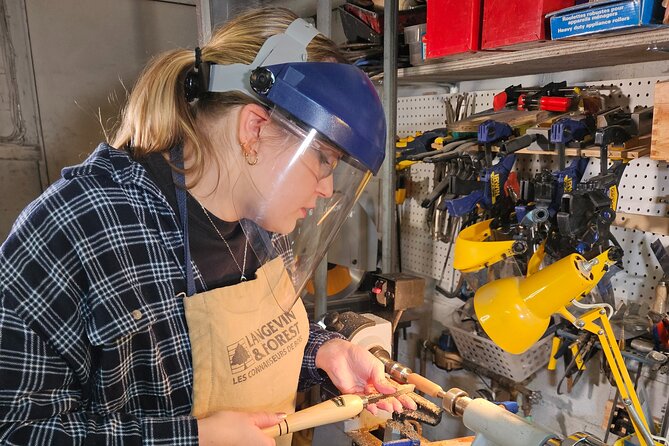
Once the turning is done, the experience shifts to finishing. This is where your work goes from functional to satisfying.
Sanding is all about smoothing transitions and removing turning marks. If sanding feels slow, treat it like the quality stage. A good sanding job makes polishing easier and improves the feel of the pen when you hold it.
Polishing brings out the grain. Wood can look impressive during turning, but polishing is what lets you see its personality clearly, especially once the surface is smooth enough to reflect light cleanly.
Then comes assembly. This is the step that turns your wooden piece into a real pen. If you have ever made craft items that look great but don’t work, this is the opposite. You’re building toward function from the start.
I like that the workshop teaches the full end-to-end flow. Too many classes stop at the “making” and leave you with a half-finished object. Here, you’re guided through the steps that make it usable.
What you take home, and how to think about care
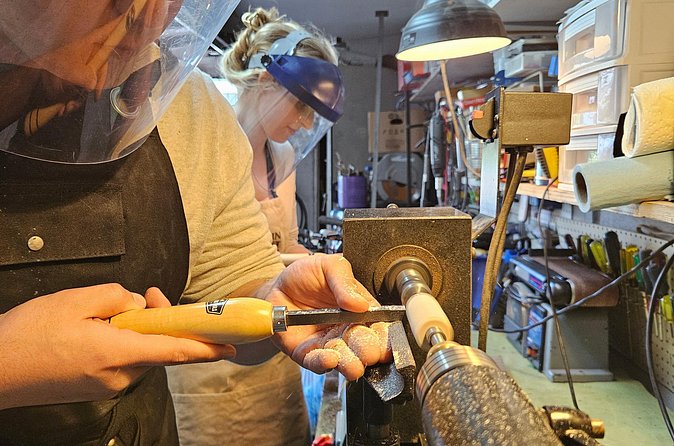
You take home the pen you make, which is the point. It’s small enough to travel with, and it’s meaningful because you shaped it yourself around your wood choice.
How should you think about care? At a practical level, treat it like a finished wooden item that you don’t want to soak. Keep it dry, wipe gently, and store it where it won’t get knocked around. If you want it to look best, avoid harsh cleaners and stick to gentle care.
One more thing to consider: the finish you get is the result of the class process. If you make your pen and then expect it to be indestructible, you might be disappointed. But if you treat it like a handmade object, it will feel special every time you use it.
Price and value: $161.10 for 3 hours of hands-on skill
The price is $161.10 per person, with an approximate duration of 3 hours. On paper, that might sound steep for a craft. In practice, it’s closer to paying for coaching plus a lathe experience that most people do not have access to.
Here’s what you’re really buying:
Expert instruction that covers safety, the machine basics, and the full workflow.
Guidance while you operate the lathe, rather than observing only.
A complete process that leads to a working pen you can take home.
A small group size, max 9, which increases the chances you’ll get help when you need it.
If you compare this kind of guided, tool-based workshop to buying a pre-made pen plus paying someone to teach you the basics, the value starts to make sense. It’s not only the object. It’s the time with the tool and the step-by-step feedback.
Also, note the booking timing. On average, this gets booked about 61 days in advance. If you are planning a trip, don’t wait until the last minute.
Who should book this Montreal pen-making class?
This is a strong match if you:
Like hands-on activities and want to learn something you can replicate later.
Enjoy woodworking, tool work, or small-batch crafts.
Want a gift you can feel proud of, because it’s truly made by you.
It’s also a good option for visitors who want something different from museums and city walks. Montreal has plenty of classic culture. This adds making something with your own hands.
Who might not love it? If you want a long, slow multi-day craft session, this 3-hour format may feel brief. If you dislike close attention to safety rules and tool procedures, you might find it stressful. And if you expect no learning curve at all, you should know there is a bit of technique involved.
Final call: should you book Pen Making With The Woodworker Himself?
I think you should book this if you want a practical, memorable Montreal experience where your hands do the work and you leave with something real. The small group limit, the safety-first approach, and the fact that you operate the lathe make it feel like instruction, not just a casual activity.
If you’re excited by the idea of choosing your wood and turning it into a functional pen, this is an easy yes. Just be realistic about the time, and treat the session as a learn-and-finish workshop, not a slow art retreat. For many people, that’s exactly the sweet spot.
FAQ
How long is the pen-making experience?
It lasts approximately 3 hours.
Where does the activity start?
The meeting point is 4710 Rue Saint-Ambroise, Montréal, QC H4C 2C7, Canada. The activity ends back at the meeting point.
Is the experience offered in English?
Yes, it is offered in English.
What is the group size limit?
The maximum group size is 9 travelers.
When will I receive confirmation after booking?
Confirmation will be received at the time of booking.
Is there a mobile ticket?
Yes, it includes a mobile ticket.
Are service animals allowed?
Yes, service animals are allowed.
Is it near public transportation?
Yes, it is near public transportation.
Can most people participate?
Most travelers can participate.
What is the cancellation policy for a full refund?
You can cancel up to 24 hours in advance for a full refund. If you cancel less than 24 hours before the start time, the amount paid is not refunded.
Recently listed around Montreal
- Full Day Family Bike Rental★ 5.0 · 17 reviews
- Enchanting Old Montreal , A private walking tour with Ruby Roy★ 5.0 · 3 reviews
- Winter Express: Old Montreal Highlights Walking Tour★ 5.0 · 119 reviews
- Mont Tremblant Winter Day Trip from Montreal★ 5.0 · 5 reviews
- Montréal Downtown and Underground City Private Walking Tour★ 5.0 · 47 reviews
- Imaginarium Museum in Montreal★ 5.0 · 3 reviews
- Montreal Premium Driving Tour with River Cruise and Notre Dame★ 4.5 · 164 reviews
- Experience Montréal Axe Throwing Adventure★ 5.0 · 3 reviews
Montreal Tours, compared.




Montreal Mile End Authentic Food Tour with 7 Delicacies Tastings
Read our review →
Quebec City and Montmorency Falls Day Trip from Montreal
Read our review →
The Original Old Montréal Walking Tour by Guidatour
Read our review →
Old Montreal Small-Group Walking Tour | Max 10 | by MTL Detours
Read our review →