
REVIEW · HISTORICAL TOURS
Layers of Natural History: Picton Nature Self-Guided Audio Tour
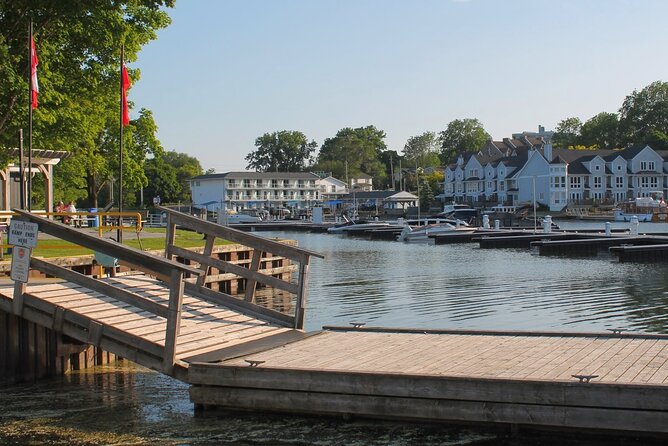
A quiet walk tells big stories. This self-guided GPS audio tour turns Picton’s harbour parks and cemetery into an easy loop for learning wetlands, wildlife, and local geology.
What makes it work is the way the narration connects the dots without making you stop and read a wall of text. I especially like Ewa’s voice and humor, plus her knack for explaining nature terms in plain language, including words like solastalgia. You’ll also appreciate the offline access to audio, maps, and geodata, so you can keep moving without hunting for signal.
The one drawback is that it is truly self-guided, so you will need your own smartphone and headphones, and you should be ready for a steady walk that takes about 1 hour 15 minutes to 1 hour 45 minutes.
In This Review
- Key highlights to look for
- A self-guided loop that makes Picton feel close-up
- Price and value: $9.99 with lifetime access before and after booking
- Stop by stop: Queen Elizabeth Park to Picton Town Hall
- Queen Elizabeth Park, harbour views to set the mood
- Picton Town Hall area, limestone to wildflowers
- The 1700s settlement walk: how town edges shape the environment
- Historic harbour stroll: wetlands, fish, and birds up close
- Flooding, water conditions, and the meaning of big fish
- Delhi Park’s transformation: from garbage dump history to wetland life
- Glenwood Cemetery ending: a park-like finish with trees and burial sites
- How to do it smoothly: timing, phone setup, and walking comfort
- Who this tour suits best
- Should you book the Layers of Natural History: Picton Nature tour?
- FAQ
- How long is the Picton Nature self-guided audio tour?
- Where does the tour start and where does it end?
- What language is the audio offered in?
- Do I need a live guide for this experience?
- What is included with the ticket?
- What do I need to bring with me?
- Does the tour work offline?
- Is it available for Android and iOS?
- Is this tour private?
- What is the cancellation policy?
Key highlights to look for
- Ewa’s nature-and-history narration uses clear, funny teaching moments, including surprising local details like a fault line under the area.
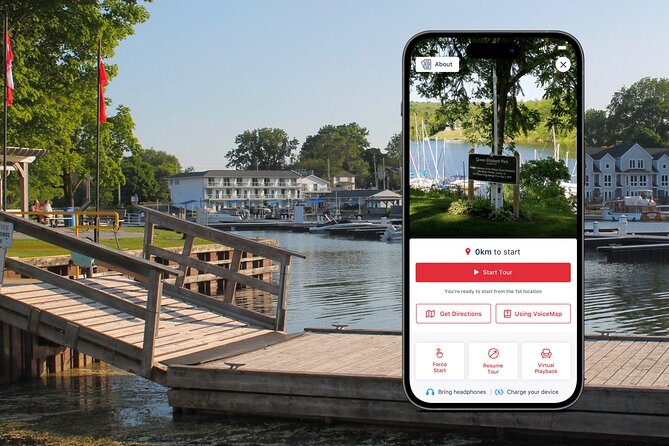
- Offline audio and GPS keep the route smooth even if your phone signal is spotty.
- Harbour wetlands focus ties what you see to fish and bird life, with bird-and-water style prompts like turtle logs.
- Flooding and water conditions are explained in a practical way so the land makes sense, not just the scenery.
- Delhi Park’s comeback story goes from garbage dump history to thriving wetland habitat.
- Glenwood Cemetery as a park-like finish gives you a calm ending with curated trees and burial sites.
A self-guided loop that makes Picton feel close-up
This is the kind of tour that rewards you for slowing down. You start at Queen Elizabeth Park, then you work your way through a string of spots that each reveal a different layer of Picton’s natural history, from limestone and wildflowers to wetlands and water patterns.
Because it is GPS-driven and self-paced, you control the rhythm. I like that you do not have to rush to meet a group. You can pause for a view, rewind a section, or linger when the audio points you toward something you would otherwise miss.
It also has a nice start-to-finish arc. You begin with harbour calm, move into settlement and ecology, and finish in a cemetery garden setting. The whole thing feels like a “walk and listen” day, not a checkbox exercise.
A few more Ontario days to compare
- Victoria Guided Food and History Tour
★ 5.0 · 2,015 reviews - Gastown Historic Walking Food Tour
★ 5.0 · 1,863 reviews - Vancouver: Gastown Historical Walking Food Tour
★ 4.8 · 539 reviews
Price and value: $9.99 with lifetime access before and after booking
At $9.99 per person, this is one of those purchases that feels small but useful, especially if you plan to repeat it or share it with someone in your travel group. The big value hook is lifetime access to the English tour, not just for the booking date.
You get lifetime access before your booking date and after it too, which means you can preview the flow ahead of time or do it again if you want to catch details you missed the first run. That matters for audio tours, because sometimes the best moment happens when you are standing still and ready to listen.
It is also a budget-friendly way to get structure in a place like Picton. Without a live guide, you still get a coherent route with context, and you are not paying for transportation or extra tickets that you might not want.
Stop by stop: Queen Elizabeth Park to Picton Town Hall
Queen Elizabeth Park, harbour views to set the mood
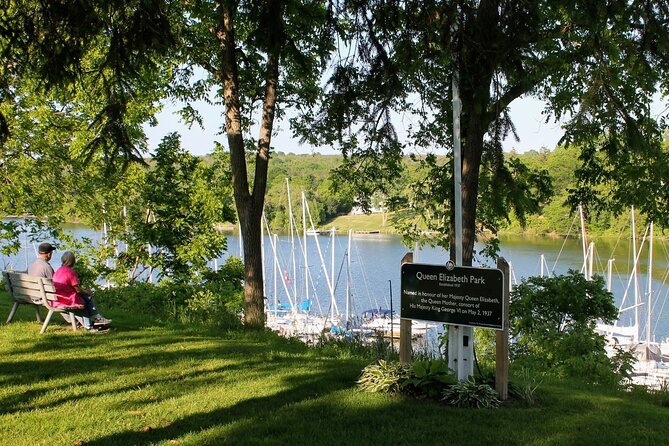
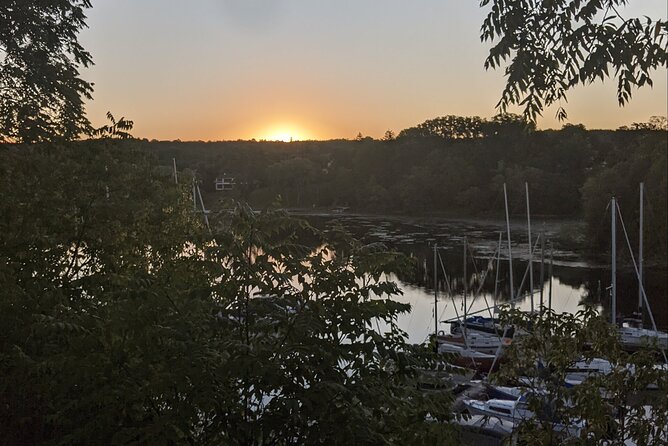
You begin at Queen Elizabeth Park, at 17 Hill St in Picton, and the tour opens with the park overlooking the harbour. This is a smart first move because the audio can anchor you in place right away. You get scenery first, then explanation, so the later ecology makes more sense.
If you are the type who likes to orient visually, this start is for you. Look out over the harbour, then let the narration guide what to notice, since wetlands and wildlife talk later will depend on your mental map of the area.
A different day out in Canada:
- 3-Hour 1000 Islands Cruise from Gananoque with views of Boldt Castle
★ 4.0 · 388 reviews - Boldt Castle and Thousand Islands Helicopter Tour
★ 5.0 · 255 reviews - 5-Hour 1000 Islands Boldt Castle Stopover Cruise from Gananoque
★ 4.0 · 236 reviews - Wine Tasting and Pairing Afternoon Tour
★ 5.0 · 126 reviews
Picton Town Hall area, limestone to wildflowers
Next, you pass by Picton’s Town Hall and learn about Picton Nature, with the story running from limestone to wildflowers. That is a practical pairing, geology to plants, because it explains how the ground influences what grows.
This is where the audio leans into the “why” behind the scenery. You might hear references that connect to local land structure, including a fault line detail people often find surprising. Even if you are not a geology person, the narration keeps it grounded in what you might see walking around.
The 1700s settlement walk: how town edges shape the environment
After the nature basics, you head along a stretch where the audio focuses on Picton’s story and European settlement in the 1700s. This part matters because it frames change over time.
Even without a museum stop, the tour helps you connect the town’s growth to the land around it. You are not just listening to facts about plants and animals. You are learning how people arrived and how that long timeline sets up today’s wetlands, water patterns, and habitat.
For me, the best moments here are the ones that turn history into a lens for outdoor noticing. If the audio mentions a land feature or a water-related clue, you will often start spotting it more easily as you keep walking.
Historic harbour stroll: wetlands, fish, and birds up close
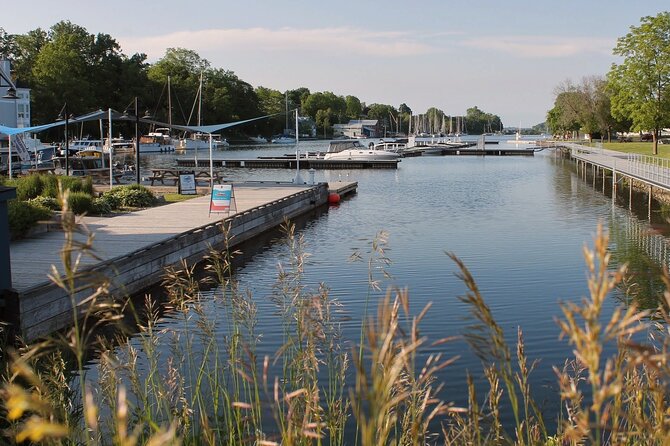
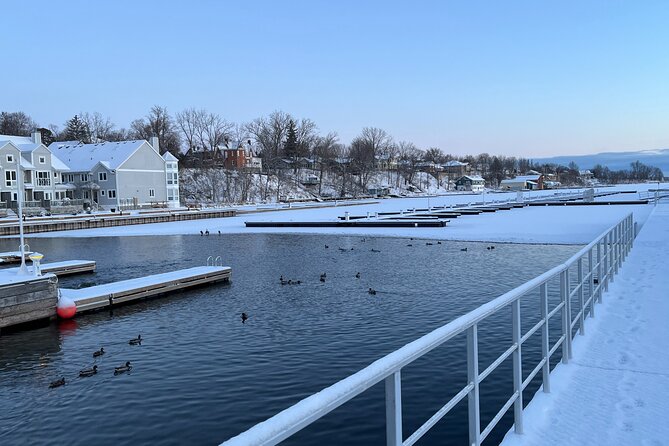
Now the route shifts to a historic harbour stretch where you hear facts about Picton wetlands, fish, and bird species. This is a key section because you get to look while you listen.
Wetlands can feel abstract until someone points out what is happening there. The audio does that with species-focused details, so your eyes have a job. Instead of only seeing water and shoreline, you begin to look for signs tied to fish and bird habitat.
One helpful style note from the experience is that the narration includes playful, spot-the-clue prompts, like watching for turtle logs. Even if you do not see turtles, you are training yourself to notice driftwood, logs, and shoreline edges as part of the wetland ecosystem.
If you like birdwatching or you just enjoy watching how water behaves, you are going to enjoy this stretch. It is also a good place to step aside briefly, turn down the pace, and give the audio your full attention for 10 minutes.
Flooding, water conditions, and the meaning of big fish
The tour continues into a serene park where the audio talks about Picton flooding, water conditions, and Big fish. This section is valuable because it helps you understand why the land looks the way it does, even when you cannot immediately explain it yourself.
Flooding is one of those topics that can sound negative until it is explained as part of how wetlands function. The narration uses plain language, including terms that can feel new, like solastalgia, which links environmental change to emotion and memory.
And then there is the “Big fish” phrasing, which is a reminder that ecosystems are not just about small plants and quiet corners. You are looking at food webs and how water conditions influence what lives there.
If you find yourself asking why something seems damp or changeable along the route, this park stop is where the tour gives you a framework. You might not walk away with a science lecture, but you will walk away with a clearer mental model of the shoreline.
Delhi Park’s transformation: from garbage dump history to wetland life
One of the most powerful chapters comes at Delhi Park, where you learn its history as a garbage dump and how it became a thriving wetland. This is where the audio tour feels most human.
It is not only about nature doing its thing. It is about what happens when land is changed, then later cared for and restored. Even if you do not know the local details already, the audio helps you think about the recovery process in a practical way.
As you walk, keep your eyes on the edges of the habitat. Wetland stories often live in the small cues, and the narration tends to push you to notice those cues rather than waiting for a big dramatic sight.
Glenwood Cemetery ending: a park-like finish with trees and burial sites
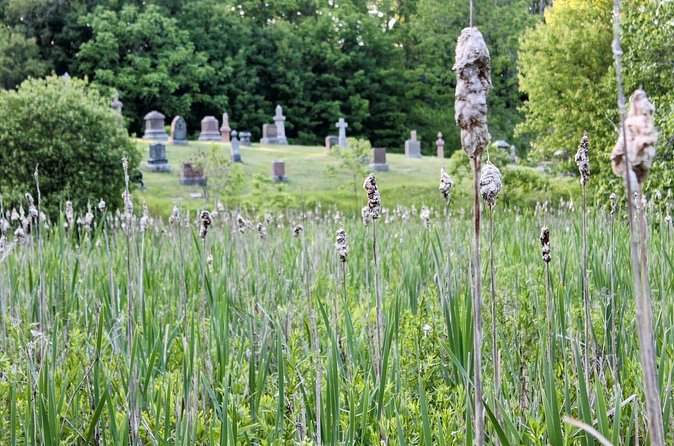
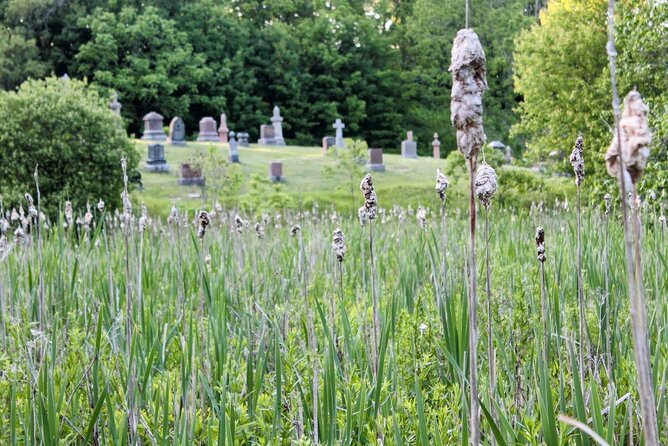
The tour ends at Glenwood Cemetery at 47 Ferguson St in Picton. The audio closes the loop in a calm setting, with burial sites placed in a curated, park-like landscape and rolling topography, plus glamorous trees.
This ending might surprise you if you expect every nature audio tour to finish at a viewpoint. Here, the cemetery works as a reflective space. It also teaches that land history includes the human stories written into it.
I like that the tour uses this setting to slow you down at the end. You are done with the big learning stops, so the audio can land more gently. It is a good way to end a walk day, especially if you want a quiet final stretch before heading to your next meal or stop in town.
How to do it smoothly: timing, phone setup, and walking comfort
The total tour time is about 1 hour 15 minutes to 1 hour 45 minutes, including walking between spots and passing the attractions. That is a wide range, and you should plan around it.
If you tend to stop for photos, read every detail, or replay the interesting parts, lean toward the longer end. If you keep a steady pace and treat it as a listen-first walk, you might land near the shorter estimate.
Because you need a smartphone and headphones, get your setup right before you start. Make sure you have the audio loaded, and take advantage of the offline access to audio, maps, and geodata. This is one of the tour’s best quality-of-life features since it reduces the chance you will get stuck while walking.
It is also private in the sense that your group is the only group using the tour at that time. That matters because self-guided tours can still feel crowded if you end up near others, but here you can keep your day more personal.
Finally, the route is outdoors and involves walking. The listing notes that most travelers can participate, which is helpful. Still, wear comfortable shoes, and bring water on warm days, because you are choosing a walk-based experience.
Who this tour suits best
I think this tour is a great fit if you want three things at once:
- Nature education with context, not just sightseeing.
- A route that is easy to follow without a live guide.
- A way to learn Picton’s water and land story through short, repeatable audio chapters.
It is especially appealing if you enjoy audio narration that uses humor and turns technical topics into something you can actually remember. The fact that the narration includes little learning hooks, like a new word and quick prompts to watch for specific natural clues, makes it feel active rather than passive.
If you are already in Picton for a day or two and you want a low-cost plan that still feels meaningful, this one fits well. It works whether you are a first-time visitor or someone who knows the town but wants a better sense of the wetland and geology connections.
Should you book the Layers of Natural History: Picton Nature tour?
Yes, book it if you want a structured self-guided walk that mixes harbour wetlands, flooding and water conditions, and Picton’s human story, all for $9.99 with offline audio and lifetime access. It is also a smart choice if you like being gently guided, not crowded, and you enjoy learning from a narrator like Ewa who can make ecology click.
Skip it only if you strongly prefer a live guide or you do not want to walk for about 75 to 105 minutes. Since you need your own smartphone and headphones, it also is not the best fit if you want zero gear.
If you are choosing one audio walk in Picton, this is a strong pick because it ends in Glenwood Cemetery, then brings you back to the town’s landscape as a whole, not just one viewpoint.
FAQ
How long is the Picton Nature self-guided audio tour?
The tour is approximately 1 hour 15 minutes to 1 hour 45 minutes, including walking the route and passing by the attractions.
Where does the tour start and where does it end?
It starts at Queen Elizabeth Park, 17 Hill St, Picton, ON K0K 2T0, Canada. It ends at Glenwood Cemetery, 47 Ferguson St, Picton, ON K0K 2T0, Canada.
What language is the audio offered in?
The tour is offered in English.
Do I need a live guide for this experience?
No. It is a self-guided GPS tour, so you explore at your own pace using the app.
What is included with the ticket?
Included are lifetime access to the tour in English before your booking date and after it, app access for Android and iOS, directions to the starting point, and offline access to audio, maps, and geodata.
What do I need to bring with me?
You need your own smartphone and headphones, since they are not included.
Does the tour work offline?
Yes. The tour includes offline access to audio, maps, and geodata.
Is it available for Android and iOS?
Yes. The tour includes an app for both Android and iOS.
Is this tour private?
Yes. It is a private tour/activity, so only your group participates.
What is the cancellation policy?
Free cancellation is available. You can cancel up to 24 hours in advance for a full refund, but if you cancel less than 24 hours before the start time, the amount you paid will not be refunded.
Recently listed around Ontario
- Toodle Tour in Port Hope Ontario★ 5.0 · 6 reviews
- Wine Tasting and Pairing Afternoon Tour★ 5.0 · 126 reviews
- Thousand Islands Helicopter Tour★ 5.0 · 100 reviews
- Thousand Islands Two Castle Helicopter Tour★ 5.0 · 52 reviews
- Private Singhampton Caves Hiking Tour, Collingwood/Blue Mountain★ 5.0 · 32 reviews
- Smartphone Audio Driving Tour between Wasaga Beach and Toronto★ 4.5 · 3 reviews
- Guided Craft Beer Tour in Niagara★ 4.5 · 6 reviews
- Rouge River Classic Whitewater Rafting Package★ 4.5 · 42 reviews
Historical Tours, compared.




Evening Gourmet Tour 5 Course Dinner – History and Food in Old Quebec City
Read our review →


Browse the lists this tour appears in