REVIEW · BANFF & LAKE LOUISE TOURS
Ice Climbing Adventure in Banff: Beginner
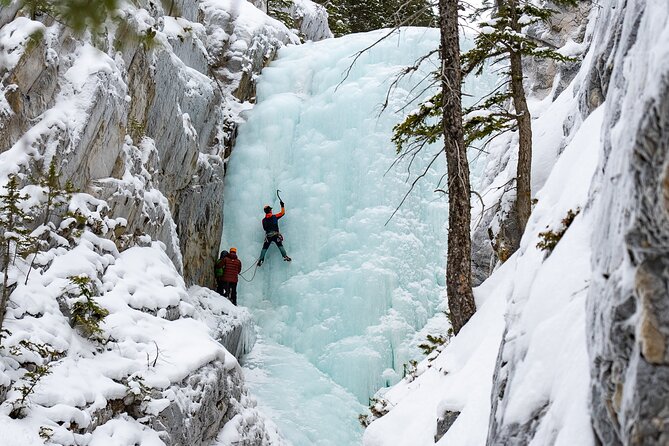
Cold rock meets big views in Banff. This beginner waterfall ice climb is a fast path to real technique, not just sightseeing, with ACMG/IFMGA guides teaching you how to move safely on frozen water. You’ll get hands-on gear fitting, safety coaching, and a plan that can stretch from first-time climber basics to sharper moves if you progress. I like that you leave with a new skill you can actually explain, and I like how the instruction is structured around repeat practice like crampon walking and controlled top-rope climbing. One thing to consider is that this is a cold, outdoor sport, and if conditions are brutal, the day may not run as long as you hope.
The tour is built around a local frozen waterfall near Banff, with the exact icefall location that can vary. You’ll start in the morning, and you’ll finish back at the same meeting point, so you are not stuck figuring out your own return. The overall vibe is low-key and safety-first, and the group stays small, with a max of 12.
In This Review
- Key things you’ll notice on a beginner ice climb in Banff
- Ice Climbing in Banff: why waterfall ice is such a good beginner challenge
- Your guide’s roadmap: crampons, belaying, and controlled steep-ice moves
- Banff National Park, Johnston Canyon, and Grassi Lakes: what those stops mean on the ground
- Stop 1: Banff National Park
- Stop 2: Johnston Canyon
- Stop 3: Grassi Lakes
- Gear is included, but your winter setup is on you
- Cold reality check: how the weather affects ice time
- Price and value for beginner ice climbing at about $194
- Logistics that matter: meeting point, transport to the ice, and finding the office
- Who should book this beginner ice climbing adventure
- Should you book Alpine Air Adventures beginner ice climbing in Banff?
- FAQ
- What is the duration of the beginner ice climbing adventure in Banff?
- Where does the tour start and when?
- How many people are in the group?
- Is transportation included to the climbing site?
- Is lunch included?
- What climbing gear is provided?
- What skills will beginners learn?
- Can the program be adjusted if you have more experience?
- Does the tour include an English guide?
- What is the cancellation policy?
Key things you’ll notice on a beginner ice climb in Banff
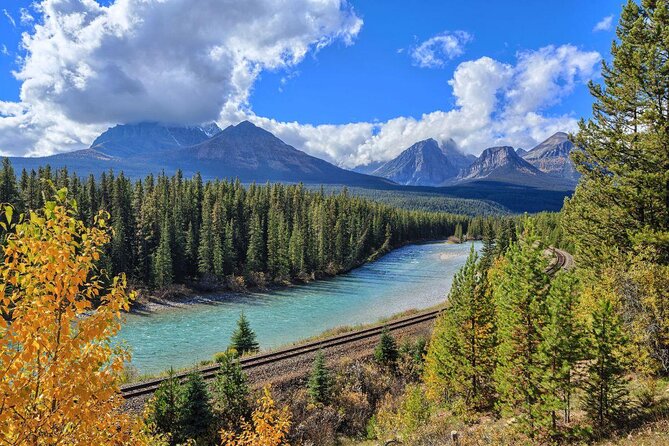
- All gear included: helmet, harness, ice tools, crampons, and climbing boots
- Top-rope focus: you learn belaying and safe movement before anything too intense
- Steep-ice basics: swinging ice tools and edging on crampons, step by step
- Skill levels are adjustable: beginners get the fundamentals, others can move into advanced skills
- A short hike to the ice: you may walk in around 20 minutes to your climbing spot
- English instruction with professional IFMGA/ACMG guides
Ice Climbing in Banff: why waterfall ice is such a good beginner challenge
Banff has mountains that feel dramatic even when you are standing still. With waterfall ice climbing, the drama gets personal, because you are learning to climb a frozen cascade with tools that feel strange at first and addictive by the end. This beginner program is designed to help you experience that hype without throwing you into the deep end.
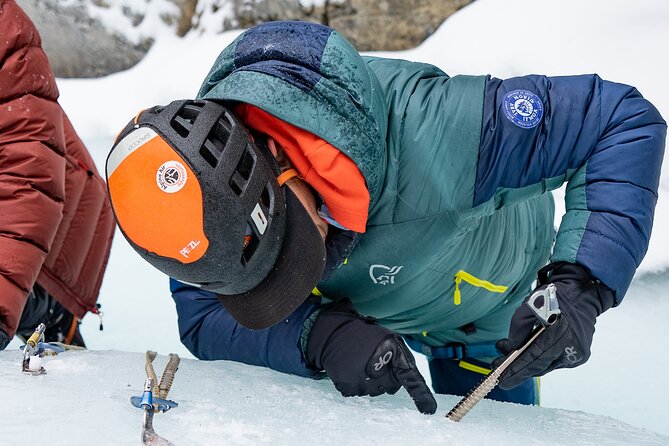
The learning flow matters. Instead of only watching from the ground, you practice key moves: how to put on crampons correctly, how to walk without constantly slipping, and how your body should position itself on steep ice. Once you can do that, you connect it to climbing, with the comfort of top-rope systems and guide-led safety routines.
And you get something practical. The goal is not just a photo at the top. The goal is for you to understand what you did, how you did it, and what keeps it safe.
A few more Banff days to compare
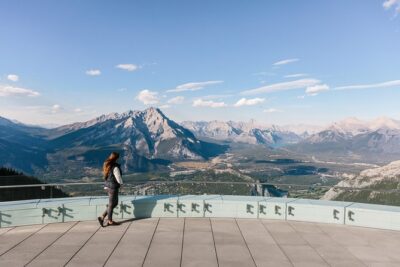
- Banff: Banff Gondola Admission Ticket
★ 4.7 · 3,698 reviews - Banff Gondola Ride Admission
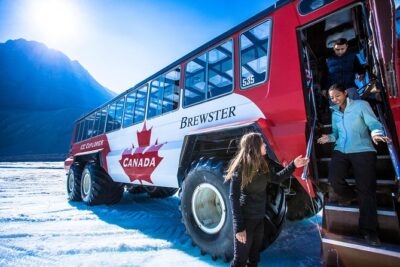
★ 4.5 · 2,688 reviews - Columbia Icefield Tour with Glacier Skywalk
★ 4.5 · 1,860 reviews
Your guide’s roadmap: crampons, belaying, and controlled steep-ice moves
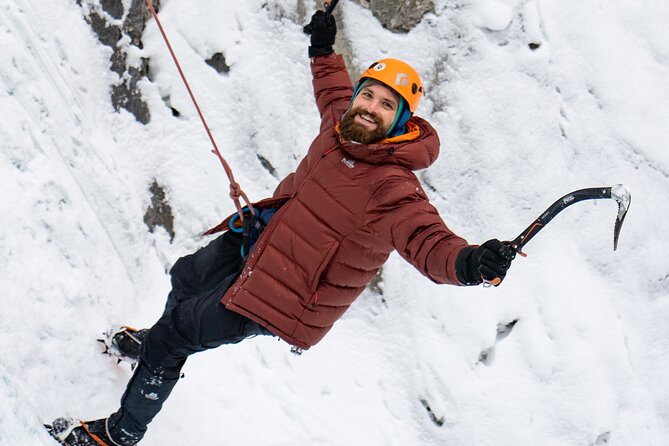
Ice climbing can look wild on videos, but the sport becomes far less scary when someone breaks it into chunks. That’s what I’d expect from professional Mountain Guides (ACMG/IFMGA) here, and it is also what shows up in how different groups describe their learning.
Here are the core skills you should plan to cover:
- Site safety and awareness
You’ll get instruction on staying safe around the icefall, where people stand, and how to manage your gear and movements.
- Walking in crampons
This is the foundation. If you can walk and stop without panicking, the rest gets easier fast.
- Belaying top rope climbers
You learn how to manage a climber from below. That is a huge confidence builder, because it makes you part of the team, not just a passenger in someone else’s system.
- Moving on steep ice
This includes swinging ice tools and using crampons to gain traction on a vertical or near-vertical face. You will practice the motions until they feel repeatable.
Depending on your comfort level and the program format you booked, you may also progress to more advanced skills, such as:
- Placing ice screws and building V-threads
- Mock leading
- Rappelling
The value here is that the training stays grounded in real climbing systems. Beginners get the moves and the safety pieces they need to enjoy themselves. More experienced climbers can use the day to refine technique instead of feeling bored.
I also want to flag the human part. In one group I learned about, the guide Nolan worked hard to keep things safe and productive even in extreme cold. In another, guide Shea taught first-timers the ropes so well that people felt confident in the process and safety setup.
Banff National Park, Johnston Canyon, and Grassi Lakes: what those stops mean on the ground
The route is built for morning timing and access to the best local ice options. You start at 229 Bear St, Banff at 7:45 am. From there, the stops guide you toward the ice climbing area and then through the Banff countryside.
Stop 1: Banff National Park
This is your early base to set the tone. Expect a morning that starts with logistics, gear fitting, and safety instructions before you get close to the ice. If you are new, this is helpful because you are not learning crampons in chaos.
A possible drawback of starting early is that you’ll feel the cold sooner than you want. But the upside is you are out in daylight and in a better position to use the day for climbing time.
A different day out in Canada:
- Lakes Moraine, Louise, Emerald, Johnston Canyon & Yoho Tour
★ 4.8 · 1,083 reviews - Lake Louise, Moraine Lake and the Icefields Parkway Full-Day Tour
★ 5.0 · 836 reviews - Banff: Lake Louise, Moraine, Emerald Lake & Johnston Canyon
★ 4.9 · 808 reviews - Banff: Lake Minnewanka Cruise
★ 4.7 · 791 reviews
Stop 2: Johnston Canyon
This is the key area because it’s where the frozen waterfall climbing usually comes alive. In at least one experience, the group hiked about 20 minutes to their ice wall near Johnston Canyon. That means you should expect a short walk through winter conditions before the tools even come out.
Johnston Canyon also has a natural way of making you feel like you are in the Canadian Rockies, not just doing an activity. The setting helps, because ice climbing is physical and intense, and the scenery keeps your brain from feeling trapped in one moment.
The tradeoff is that if you show up underpacked for winter conditions, the hike can drain you before you even start climbing.
Stop 3: Grassi Lakes
Grassi Lakes is a classic Banff area for views, and it often helps break up the day visually. Based on the itinerary structure, this stop is likely tied to how the day is routed after the ice climb. It can also be a good moment to reset, catch your breath, and warm up before heading back.
Because the icefall location may vary, the order and exact flow can feel slightly different depending on conditions. Still, the overall plan is consistent: morning access, ice time, then back toward town.
Gear is included, but your winter setup is on you
This tour includes the big-ticket items that matter for ice climbing: helmet, harness, ice tools, crampons, and climbing boots. That’s a big deal for value, because you are not just paying for instruction, you are also paying for the equipment you need to do it safely.
But equipment alone does not equal comfort. Your job is to show up with a winter body plan. Ice climbing in Banff can be brutally cold, and one group I learned about faced around -24 C, which was cold enough that their climb was shortened. You should plan as if you will be outside longer than you expect, and colder than you planned.
What to bring, practically:
- Warm base layers you can move in
- Extra socks (cold feet ruin everything)
- A hat and gloves that stay warm when wet or windy
- A small bag to keep gloves and spare layers dry
Even with included climbing boots, you may end up with fit quirks. If you have sensitive feet, bring your own comfortable base sock so you can adjust and stay warm.
Also, listen to the gear fitting. Crampons need proper placement, and harness setup affects how you feel while climbing and hanging. You’ll likely get a hands-on check from the guides, which is exactly what you want.
Cold reality check: how the weather affects ice time
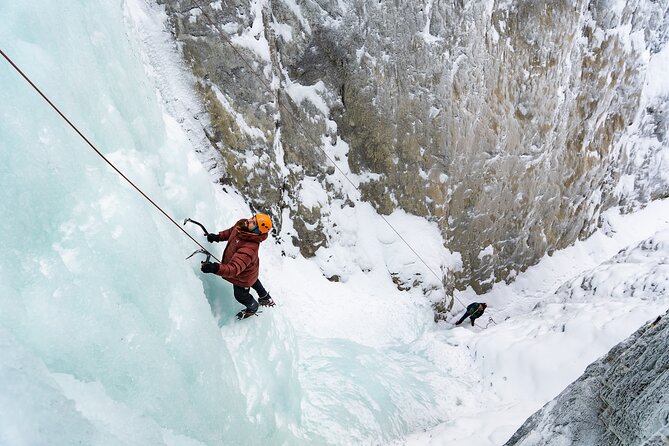
Ice climbing is weather-dependent, full stop. When it is extremely cold, everything feels harder, from tool handling to staying focused while you learn. In one experience tied to guide Nolan, the temperature hit about -24 C and the day was cut short.
So here’s my advice for managing expectations: go in knowing that your comfort is part of the safety decision. If conditions are too extreme, the guide may adjust the plan to keep everyone safe and functional.
If you are booking during shoulder seasons, you may want to be flexible in your mindset. You did not come here just for a climb, you came here for a new skill. The best outcome might still be learning more than you hoped, even if the climbing time shifts.
Price and value for beginner ice climbing at about $194
At $194.36 per person for about 7 hours, the price is not cheap, but it is not random either. You are paying for three main things:
- Instruction from ACMG/IFMGA professional guides
- The full set of ice climbing equipment
- A structured learning environment for beginners
If you try to do this any other way, you would usually spend time coordinating gear rentals and finding instruction. Here, those pieces are bundled with a guided safety system. That’s the biggest value lever for beginners, because learning ice climbing without a guide is not just hard, it is unsafe.
One more value point: the tour can be customizable for different skill levels. Even if you are a first-timer, you are not locked into a single pace. If you are more confident, you may get the chance to practice advanced options like ice screws, V-threads, and mock leading skills depending on conditions.
Small group size also matters. With a max of 12, you have a better chance of getting attention while you learn, especially when everyone is trying new crampon and tool techniques.
Logistics that matter: meeting point, transport to the ice, and finding the office
The meeting point is simple on paper: 229 Bear St, Banff, with a 7:45 am start, and the tour ends back at the same location. But two practical things can make or break your morning.
First, private transportation is needed to get to the climbing site. The itinerary stops include multiple Banff-area locations, and the icefall itself is local and variable. That means you should have a ride plan ready, even if you are staying near town.
Second, office navigation can be weird. One group described difficulty finding the office in an indoor mall and coordinating a ride to the climbing site when it was not clearly announced ahead of time. It worked out for them, but it introduced stress. You can reduce that stress easily: arrive a little early, confirm your pickup plan, and be ready with transport.
Also note the tour uses a mobile ticket and you should get confirmation at booking. If you are traveling without a reliable data connection, make sure your ticket is accessible offline.
If you like clarity and you hate morning surprises, take five minutes the night before and map your meeting point and route to the climbing area based on what you’ve been told at booking.
Who should book this beginner ice climbing adventure
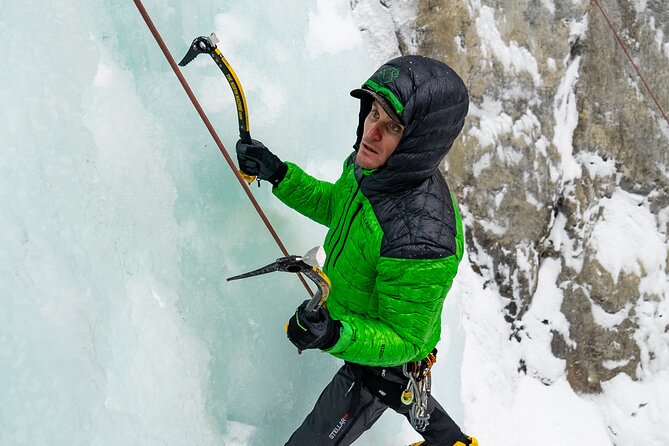
This is a great match if you want real outdoor adventure with coaching that helps you succeed. I’d put it at the top of your list if you:
- Are brand new to ice climbing but want to try it safely
- Want to learn the fundamentals like crampon walking and top-rope belaying
- Like structured instruction and clear safety steps
- Have some climbing experience and want a new skill set in steep ice movement
It also works for groups who want a memorable day in the Canadian Rockies without planning a whole technical course.
If you hate cold weather or you can’t handle long outdoor time, reconsider. Ice climbing requires patience, and patience in freezing conditions can test anyone.
And if you are traveling solo, you may still enjoy it because the guide-led setup brings the group together quickly. With a max of 12, you should still feel like you are learning, not just waiting your turn.
Should you book Alpine Air Adventures beginner ice climbing in Banff?
If you want a legit intro to waterfall ice climbing, I think you should seriously consider booking. You get included gear, you get ACMG/IFMGA instruction, and you learn the core systems that make ice climbing understandable instead of mysterious.
My “yes, book it” checklist:
- You can handle cold and you’ll dress for it
- You can arrange transportation to the climbing site
- You want hands-on skill building, not just a view
My “think twice” checklist:
- You are hoping for a super comfortable outing in mild weather
- You want zero logistics and no ride coordination
- You dislike activities that can shorten when conditions demand safety
Done right, this is one of those rare trips where you go home with a real skill and a story that sounds unbelievable until someone asks what you actually learned.
FAQ
What is the duration of the beginner ice climbing adventure in Banff?
The tour runs for about 7 hours.
Where does the tour start and when?
It starts at 229 Bear St, Banff, AB T1L 1C3, Canada at 7:45 am.
How many people are in the group?
The group maximum is 12 travelers.
Is transportation included to the climbing site?
No. Private transportation is needed to get to the climbing site.
Is lunch included?
No, lunch is not included.
What climbing gear is provided?
The tour includes helmet, harness, ice tools, crampons, and climbing boots.
What skills will beginners learn?
You’ll cover site safety and awareness, walking in crampons, belaying top rope climbers, and moving on steep ice using swinging ice tools and your crampons.
Can the program be adjusted if you have more experience?
Yes. While beginners start with the basics, more advanced skills may be offered, such as placing ice screws, building V-threads, mock leading, and rappelling.
Does the tour include an English guide?
Yes, the experience is offered in English.
What is the cancellation policy?
You can cancel up to 24 hours in advance for a full refund.
Recently listed around Banff
- Half-Day Guided Via Ferrata Climbing Tour in Banff★ 5.0 · 30 reviews
- Private Horse-Drawn Sleigh Ride In Banff★ 3.0 · 5 reviews
- Private Airport Transfer: Banff, Canmore, Lake Louise to Calgary★ 5.0 · 3 reviews
- Banff |Canmore| Kananaskis to Calgary YYC Airport–Private Shuttle★ 5.0 · 50 reviews
- Calgary to Banff, Canmore, Lake Louise, Luxury Lexus TX★ 5.0 · 4 reviews
- Private Forest Bathing Experience Connect with Nature★ 5.0 · 5 reviews
- Elevated Private Experience: Adventure & Wellness in Banff★ 5.0 · 4 reviews
- Park Distillery Tour with Craft Spirits Tasting★ 5.0 · 23 reviews
Banff & Lake Louise Tours, compared.
Emerald Lake, Moraine, Louise, Johnston Canyon & Banff Town
Read our review →
Lakes Moraine, Louise, Emerald, Johnston Canyon & Yoho Tour
Read our review →
Louise & Moraine Lake or Johnston Canyon 1/2 Day Tour
Read our review →
Lake Louise, Moraine Lake and the Icefields Parkway Full-Day Tour
Read our review →