
REVIEW · WILDLIFE
Banff: Winter Wilderness Walk with Wildlife Tracking – 2hrs
Winter tracks tell stories in Banff. This 2-hour winter wildlife tracking walk in Banff National Park turns snowy trails into a real-life lesson on how animals survive the cold. I especially like the practical way you learn to read tracks and signs as you go.
I also like the bonus of photo help in crisp mountain light, with a guide coaching you as you shoot the snowy trees and rocky views. The one drawback to plan for is simple: this is winter hiking, so it is not suitable for everyone, including kids under 9 and people with mobility or certain medical limitations.
In This Review
- Key points before you go
- Meeting at Cave and Basin, then into track country
- What wildlife tracking looks like in midwinter snow
- Spotting clues for deer, coyotes, and more
- Mountain views plus camera tips you can use right away
- Stories and folklore that connect wildlife to people
- How the 2-hour schedule actually feels
- Price and value for $65 per person
- What to bring for comfort and safety in Banff winter
- Who should book this Banff winter wilderness walk
- Should you book this tour?
Key points before you go
- Start at Cave and Basin: easy to reach, with free parking at the meeting lot
- Track-reading on snow: deer, coyotes, and even snowshoe hare signs you can spot yourself
- Camera coaching: your guide helps you frame the winter scenery for better shots
- Local stories and folklore: history tied to wildlife, Indigenous peoples, and early settlers
- Winter gear support: ice cleats when needed, plus hiking poles on request
- Guide-led sightings and signs: you look for clues all the way through the walk
Meeting at Cave and Basin, then into track country
This tour starts at Banff’s Cave and Basin National Historic Site, meeting outside the Gift Shop in the parking lot. It is a straightforward place to find, and you get free parking right there. If you are staying downtown, it is also an easy taxi ride, about 5 to 7 minutes.
Arrive about ten minutes early so you are not rushing in gloves and hoping everyone else is ready. The timing matters more in winter than you think, because you want to get geared up, meet your guide, and settle your camera before the walk begins.
From that meeting spot, you head into Banff National Park for a guided walk that is built around one idea: winter is not quiet for wildlife. It is quiet for humans. For animals, snow is basically their map. Your guide sets you up to read that map, step by step, without needing prior outdoors experience.
One practical note I appreciated: you can ask for hiking poles (upon request), and you may get ice cleats when needed. That small extra help can make the difference between feeling steady and feeling constantly alert.
More Walking Tours in Banff & Lake Louise
- The Banff Stargazing Tour – 2hr Walking Tour
★ 5.0 · 189 reviews - Banff: 4-Hour E-Bike and Walking Tour in Johnston Canyon
★ 4.7 · 67 reviews - Banff: Paranormal History Walking Ghost Tour
★ 4.7 · 46 reviews
What wildlife tracking looks like in midwinter snow
The “wow” factor here is that you are not just walking through pretty snow. You are learning how to identify animal tracks and signs while you move. The snow acts like a logbook, preserving tiny details that you would miss on dry ground.
Your guide uses the trail as a lesson plan. As you walk, you learn what different animals leave behind and how those signs can hint at behavior. You are not guessing wildly. You are building a checklist in your head: shape, size, stride, and where the signs show up.
The tour highlights specifically call out deer and coyotes, and the experience also includes signs like those of the snowshoe hare. That is a fun mix, because hare tracks can look small and subtle compared with larger animals, and guides usually explain what to look for so you do not spend the whole time staring at one confusing footprint.
You will also get ideas for where to keep your eyes open. In winter, animals often move for food and shelter, and they use predictable routes. Your guide helps you slow down just enough to notice patterns, not just random impressions in the snow.
If you care about wildlife, this is the part that keeps the walk from feeling like a generic nature stroll. You leave with a new skill, and that skill keeps working after the tour when you step outside again.
Spotting clues for deer, coyotes, and more
The tracking portion focuses on signs you can realistically look for in winter. That matters. Some “wildlife” tours end up being a long waiting game with a high chance of nothing visible. Here, you are actively training your eyes to find evidence, even if you do not spot an animal in the moment.
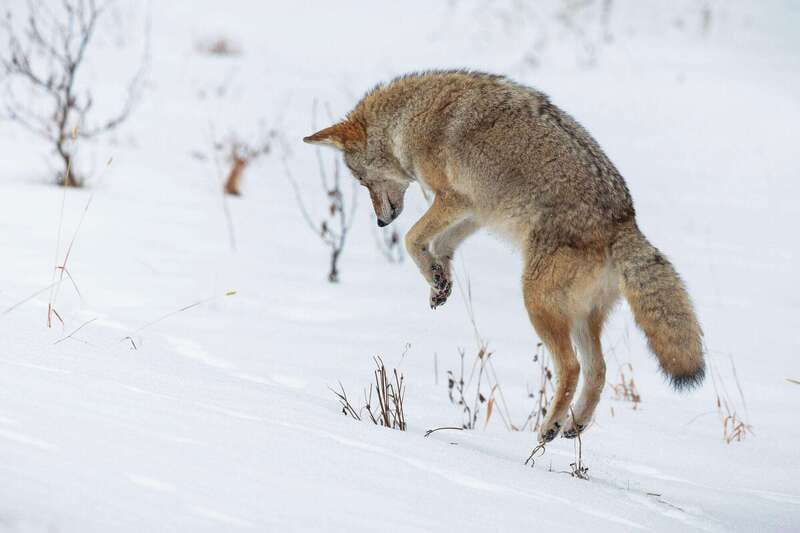
Deer signs are a key theme. You learn how deer move and what their tracks and related signs can suggest. Coyotes are another main focus, and your guide explains how these animals operate in winter conditions, where they tend to show up, and how to read the story snow leaves behind.
One thing I like about this approach is that it keeps you engaged during the whole hike. If you spot tracks early, you keep using that new knowledge rather than switching back to passive sightseeing.
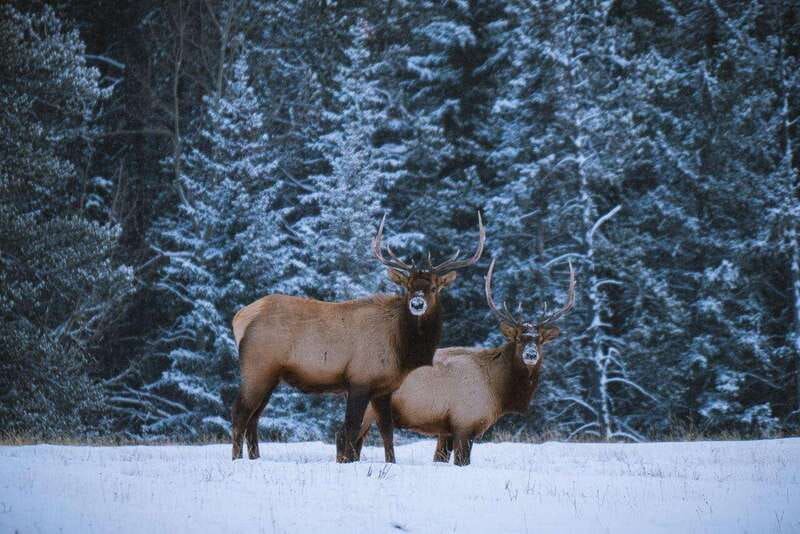
And when you do get lucky with actual sightings, the tracking knowledge helps you appreciate what you are seeing. The provided experience info includes examples like mule deer and an eagle sighted during the walk, and those moments feel extra meaningful because you have been trained to look for signs all along.
Mountain views plus camera tips you can use right away
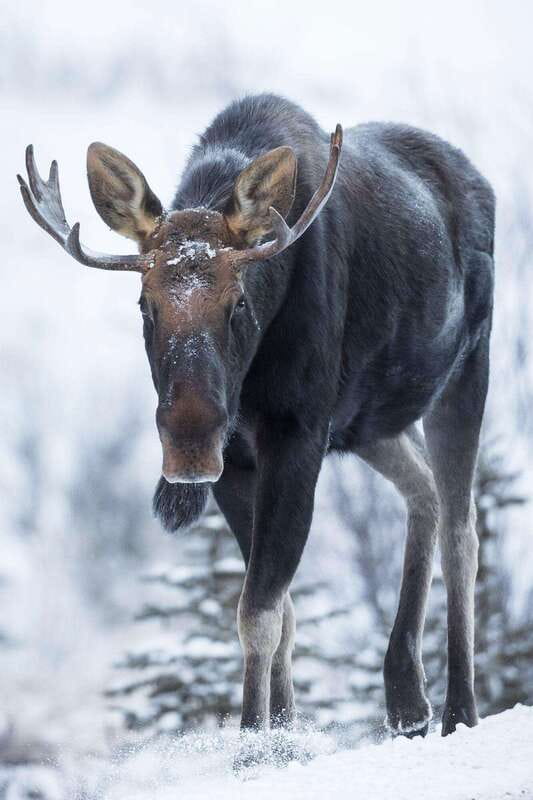
Even when your eyes are focused on footprints, winter in Banff still delivers views. This walk is designed to help you capture the scenery on camera, and your guide gives practical shooting tips as you go.
Expect help with things like timing and angle, not just vague “take photos here” suggestions. In cold weather, the best photos often come from planning before you stop. A good guide will encourage you to look for frost details, snow texture, and the contrast between dark trees and bright snow.
If your guide is Jacob, one of the standout details from the experience info is how he helped people get what was described as Christmas card style photos. The takeaway for you is not a promise of a perfect postcard shot, it is that he puts thought into where the light and framing work best during the walk.
You will likely point your camera toward mountain vistas and snowy forest scenes, but the real advantage is that you are not waiting until the end to shoot. You are stopping intelligently, with context, so your photos tell a story rather than just documenting weather.
A few more Banff days to compare
- Yamnuska Wolfdog Sanctuary Walk Ticket in Canada
★ 5.0 · 37 reviews - Town of Banff Highlights 2 Hour Walking Tour | Gratuity-Based
★ 5.0 · 18 reviews - Banff GHOST TOWN History Walking Tour + Transportation
★ 4.9 · 16 reviews - The BANFF NATURE Walk – 2hr Adventure
★ 5.0 · 11 reviews
Stories and folklore that connect wildlife to people
This tour adds culture to the wildlife lesson, which is what makes it more than a photo walk. Your guide weaves in local stories and folklore, bridging past and present in the region.
The focus includes how Indigenous peoples and early settlers interacted with the land and wildlife. That matters because it gives you context for what you are seeing. Tracks and animal behavior do not happen in a vacuum. People lived with the same winter realities, learned patterns, and built knowledge around the seasonal movement of wildlife.
You should go into this part ready to listen. It is not a long lecture, and it does not replace the tracking. It sits alongside your walk, giving you a fuller picture of why this area matters.
If you like travel that connects nature with human stories, this is one of the strongest reasons to pick this specific guided walk instead of a self-paced snowshoe route.
How the 2-hour schedule actually feels
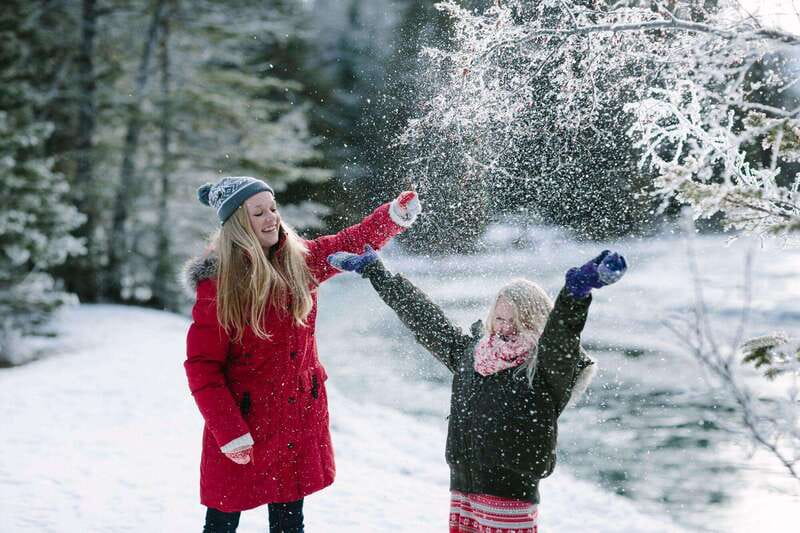
The tour is 2 hours total, and that is a sweet spot for winter. It is long enough to cover real tracking practice and get camera time, but short enough that most people can stay comfortable if they dress well.
A simple rhythm usually works well here:
- start at Cave and Basin,
- head into the snowy area where you learn track-reading,
- pause for photos as your guide finds angles and moments,
- return to the meeting point.
Because the tour returns to the same place, you do not need to worry about complicated logistics in the cold. You know where you are starting and where you will end.
The main drawback of a short tour is also why it is attractive: you are not going to cover every corner of Banff National Park in one afternoon. If you want a long multi-day adventure, you might want to pair this with a longer winter hike the next day. But for learning a skill and getting a grounded wildlife experience, 2 hours is practical.
Price and value for $65 per person
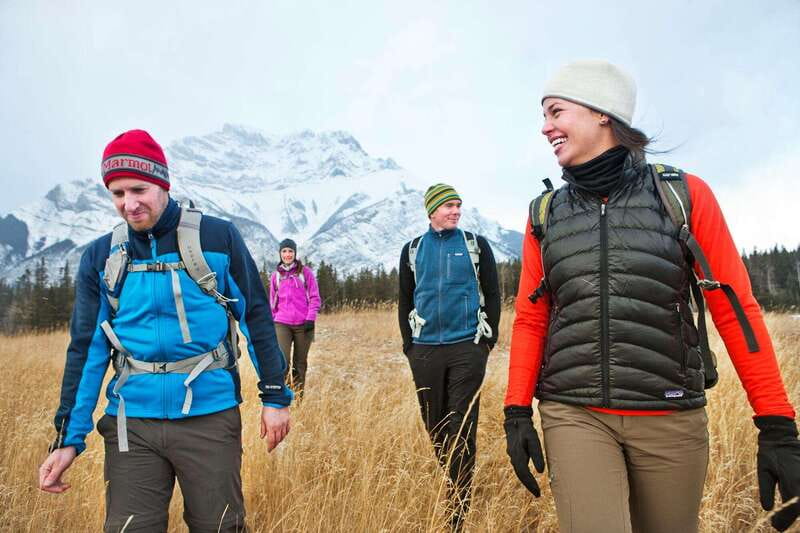
At $65 per person for a 2-hour guided walk, this pricing makes sense when you break down what you are paying for. You are not just paying for movement and scenery. You are paying for specialized wildlife tracking education, plus local stories, plus winter support like ice cleats when needed.
What is included:
- a professional guide
- wildlife tracking education
- local stories and folklore
- ice cleats when needed
- hiking poles on request
What is not included:
- transportation to the meeting point
- food and drinks
So the value question becomes: will you use the skills and guidance during the walk? For most people who want more than pretty snow, the answer is yes. You leave with a better eye for tracks, signs, and winter animal behavior, which makes your next outing more rewarding.
If you are traveling as a family, it is worth checking the age cutoff carefully because children under 9 are not suitable. If you are an experienced hiker with your own gear, this still has value because the guide’s tracking instruction is hard to replace by yourself.
What to bring for comfort and safety in Banff winter
Winter comfort is not optional here. Bring warm layers and prepare for wind chill.
For the walk, the tour info recommends:
- comfortable shoes
- warm clothing, dressed in layers
- a hat
- gloves
- water
- a camera
- weather-appropriate clothing
Sturdy outdoor footwear matters because you may be walking on packed snow and icy patches. If you normally skip the extra gear in mild weather, this is where you want to be disciplined. You also have the helpful option of ice cleats if needed, but you should still have solid shoes.
Also, plan your pace. A guided track walk is not about speed. It is about stopping to look, and that means your body can cool down if you dress lightly.
Who should book this Banff winter wilderness walk
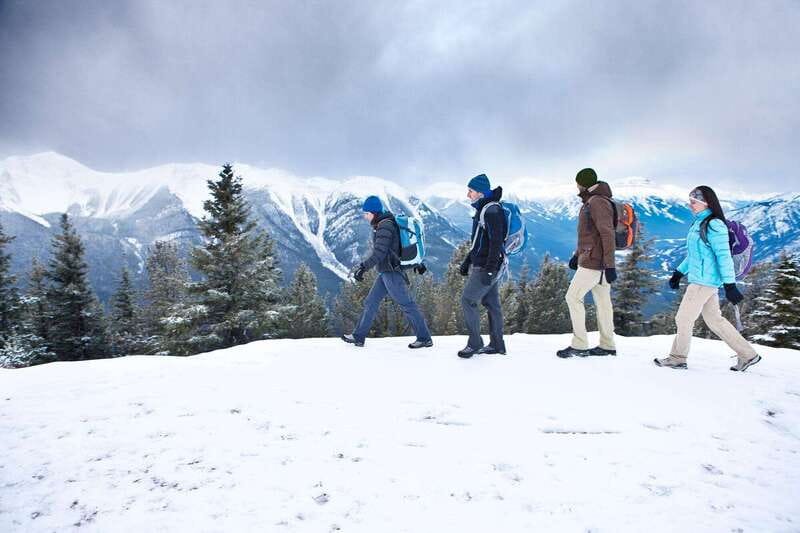
This tour is a great fit if you want:
- hands-on experience reading wildlife tracks and signs
- a guided way to spot evidence of animals even when you do not see them
- a mix of nature education plus local stories and folklore
- a winter walking plan that is only 2 hours
It is not suitable for:
- children under 9
- pregnant women
- people with mobility impairments
- wheelchair users
- people without experience
- people with pre-existing medical conditions
- people with recent surgeries
If any of those apply, you will likely have a rough time, and safety should come first. When you match the tour to your comfort level, you get the best experience.
If you are new to winter hiking, the “on snow” tracking focus is actually a good entry point, as long as you meet the experience requirement and can handle the walking.
Should you book this tour?
Book it if you want a guided winter experience that teaches you to see more than scenery. The wildlife tracking education, the stories, and the camera help are a strong combo for $65, especially because the walk is short and structured.
Skip or reconsider if you have mobility limits, need wheelchair access, or you fall into the medical categories listed. Also, if you dislike cold outdoor walking, the ice cleats option is helpful, but it will not change the fact that this is a winter hike.
If you can handle winter conditions and you want to leave with a real skill, this is one of those Banff activities that turns a snowy day into a meaningful one.
More Wildlife in Banff
- Banff Highlights & Wildlife | Award-Winning Small Group Adventure
★ 4.5 · 725 reviews - Banff: Evening Wildlife Safari Guided Tour
★ 3.9 · 465 reviews - From Banff: Banff Wildlife & Scenic Highlights Premium Tour
★ 4.4 · 266 reviews - Banff: Wildlife and Sightseeing Minibus Tour
★ 4.5 · 142 reviews
More National Parks in Banff
- Banff National Park Tour with Lake Louise and Moraine Lake
★ 4.5 · 692 reviews - Banff National Park: 1-Hour Bow River Horseback Ride
★ 4.6 · 518 reviews - Banff National Park: 1-Hour Spray River Horseback Ride
★ 4.7 · 315 reviews - Banff National Park Big Canoe Tour
★ 5.0 · 303 reviews
Recently listed around Banff
- Half-Day Guided Via Ferrata Climbing Tour in Banff★ 5.0 · 30 reviews
- Private Horse-Drawn Sleigh Ride In Banff★ 3.0 · 5 reviews
- Private Airport Transfer: Banff, Canmore, Lake Louise to Calgary★ 5.0 · 3 reviews
- Banff |Canmore| Kananaskis to Calgary YYC Airport–Private Shuttle★ 5.0 · 50 reviews
- Calgary to Banff, Canmore, Lake Louise, Luxury Lexus TX★ 5.0 · 4 reviews
- Private Forest Bathing Experience Connect with Nature★ 5.0 · 5 reviews
- Elevated Private Experience: Adventure & Wellness in Banff★ 5.0 · 4 reviews
- Park Distillery Tour with Craft Spirits Tasting★ 5.0 · 23 reviews
Wildlife, compared.
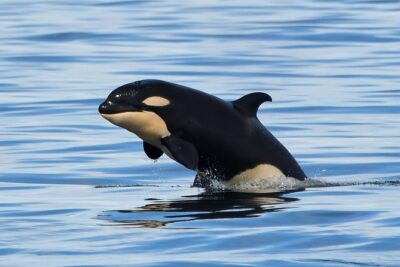
Banff Highlights & Wildlife | Award-Winning Small Group Adventure
Read our review →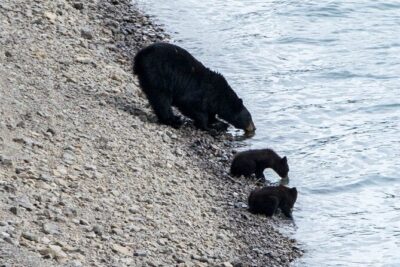
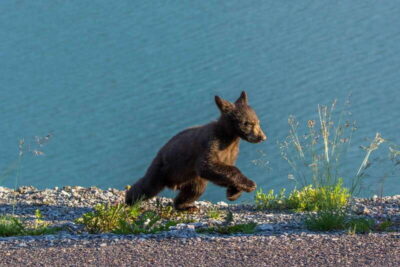
Jasper National Park: Evening or Morning Wildlife Watch Tour
Read our review →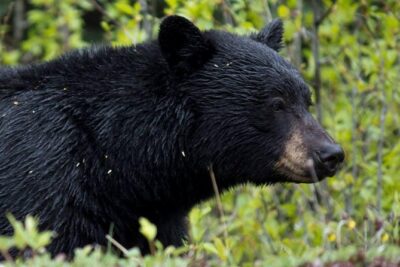
Jasper Wildlife & Sightseeing Tour with Maligne Lake Cruise
Read our review →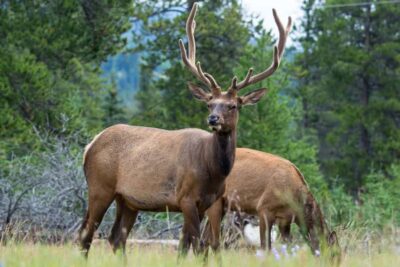
Wildlife and Sightseeing Tour with Maligne Cruise
Read our review →
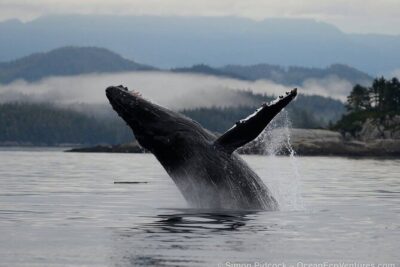
Cowichan Bay Half Day Whale & Wildlife Adventure
Read our review →Browse the lists this tour appears in