
REVIEW · CANOES & KAYAKS
3-Day Algonquin Park Canoe Trip
Paddling into Algonquin feels like a reset button. This 3-day canoe trip turns a tight schedule into real wilderness camping with guided canoe skills, portages, and lake time in the interior. I like that it is all-inclusive in the practical way that matters, you get the tents, meals, permits, and all the canoe gear you need, so you can focus on paddling and wildlife. The other big plus is the chance to learn step-by-step with a relaxed guide, Robin, even when conditions feel a bit “this is more than a backyard pool” for first-timers.
The one consideration is that the trip is not a sit-back-and-watch kind of day. You’re paddling and portaging in the Canadian backcountry with an intro level of training, and the expedition weight kevlar canoes are light and fast but need extra care around rocks.
In This Review
- Quick take on this 3-day Algonquin canoe adventure
- Pen Lake and the Interior Feel Worth the Work
- Day 1: Skills, a 300 m Portage, and Reaching Pen Lake Camp
- Campsite Reality Check: Tents, Safety, and Night Sky Moments
- Day 2: Moose Checks, Beaver Dams, and a Welcome Lake Option
- Day 3: Early Paddle Out, Moose at Shore, and Ancient Pictographs
- Price and Logistics: What $493.87 Really Covers
- The Canoes: Kevlar Speed, Fragility, and Portage Practicality
- What to Bring and How to Dress for Real Weather
- Who This Trip Suits Best (And Who Might Want Another Option)
- Should You Book This 3-Day Algonquin Park Canoe Trip?
Quick take on this 3-day Algonquin canoe adventure
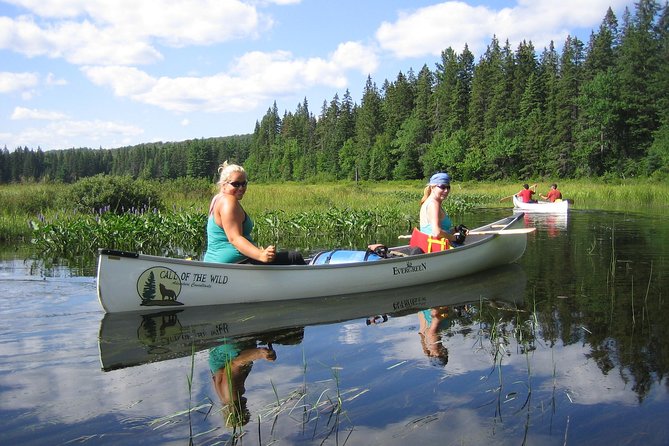
- All-inclusive backcountry base, including 2 nights in tents, meals, park fees, and national park permits
- Small group size (max 8), which makes learning canoe basics and getting help on portages easier
- Pen Lake and interior camps, with guided camp setup and time to explore once you reach camp
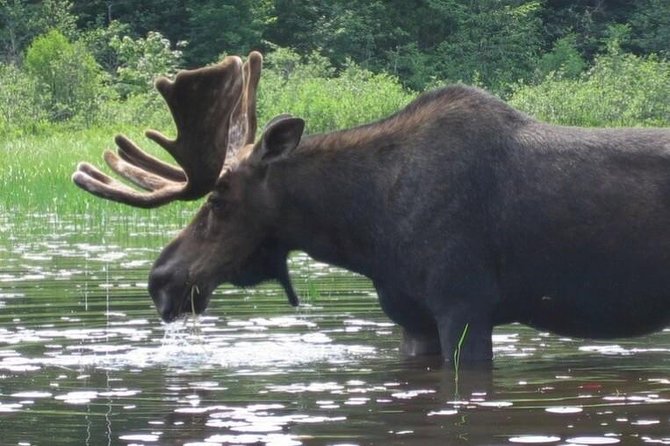
- Wildlife watching built into the route, especially moose along the water’s edge
- Real paddling work, with a 300 m portage on day 1 and additional portages or hikes on day 2 depending on how you explore
- Kevlar canoe tradeoffs, faster on the water and easier to carry, but you need to handle them carefully
Pen Lake and the Interior Feel Worth the Work
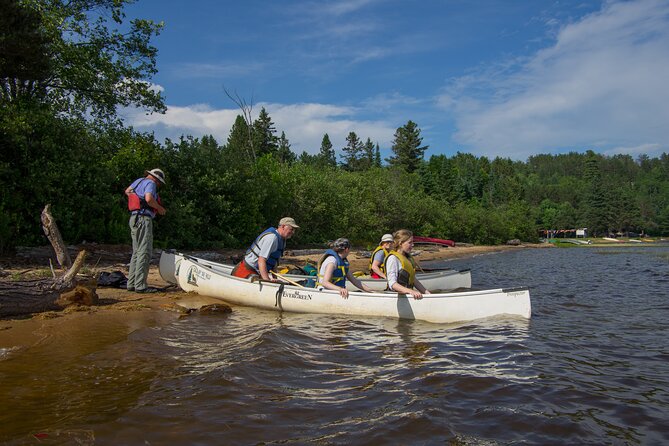
Algonquin Park can be busy near roads and popular viewpoints. This trip is different because it pushes you into the interior, where “wilderness camping” means something. The rhythm is simple: paddle, portage, set up camp, eat well, sleep under a sky so clear you can actually see the night in layers.
What I like most is that you get a guided introduction without turning it into a classroom. Your guide teaches the canoe techniques you need, then you use them quickly. That means you’re not waiting around to feel “ready.” You’ll be doing real movement, real balance, and real decision making about where to land and how to pack your canoe.
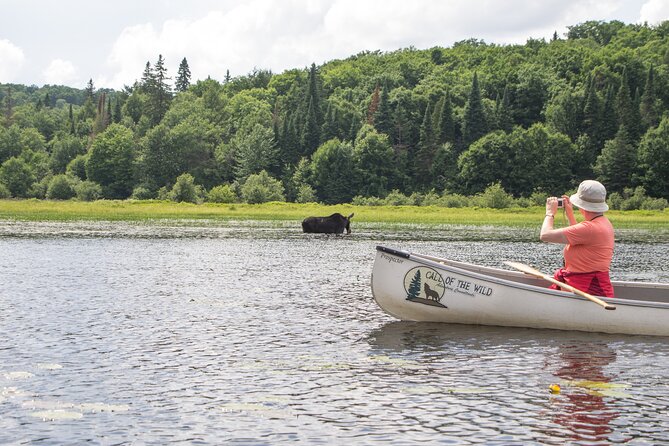
And yes, wildlife is part of the experience here in a natural, patient way. Moose are common by the lakeshore, and the trip route is designed so you’re out during times you might spot them. If your version of camping includes more wildlife and fewer checklists, you’re going to enjoy this.
Kayak and Canoe trips readers book most in Ontario:
- 6 Hour Algonquin Park Canoe Trip
★ 5.0 · 86 reviews - Banff National Park Big Canoe Tour
★ 5.0 · 303 reviews - Banff National Park: Big Canoe River Explorer Tour
★ 4.7 · 286 reviews
Day 1: Skills, a 300 m Portage, and Reaching Pen Lake Camp
Day 1 starts with instruction, and it is exactly what you want if you are new. Your guide walks the group through canoe operation skills and the basic techniques you’ll use for the next two days. The goal is not turning you into a solo wilderness paddler by dinner time, it is making sure you can pack and steer a canoe with confidence.
Then you paddle into one of Algonquin’s interior lakes, Pen Lake. You use expedition weight kevlar canoes. These are lighter than many alternatives, which matters for portages. They also tend to be quicker in the water. The tradeoff is fragile handling. You need to be careful around rocks and avoid sloppy banging, especially when you are tired and moving fast.
After about three hours on the water, you reach the wilderness camp. That includes a 300 m portage along the way. Portaging is where people either start to dread the day or start respecting it. Having the instruction first helps a lot, because you learn how to move efficiently without turning the canoe carry into a full-body disaster.
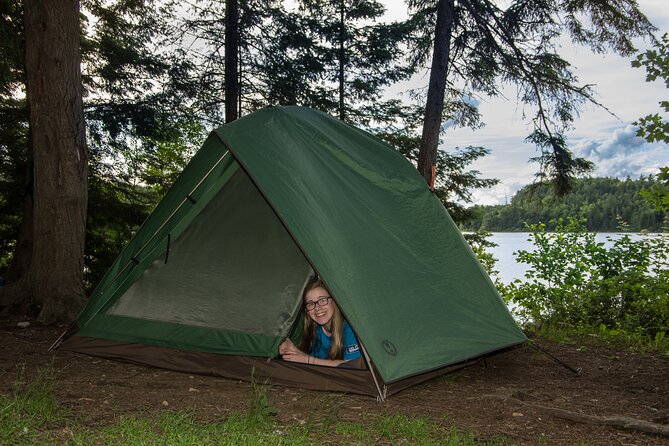
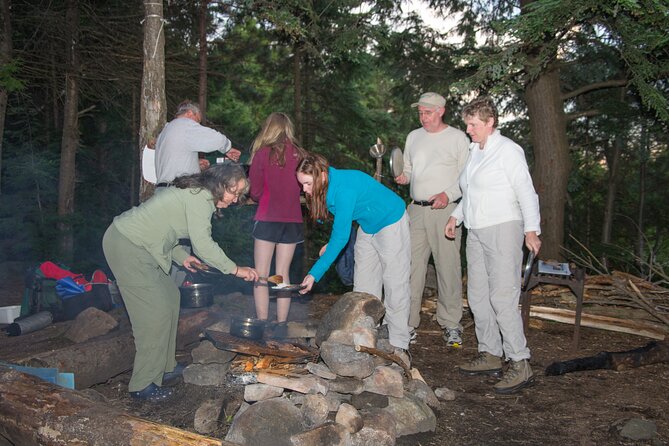
Once you arrive, this becomes true backcountry camping. You are not pulling up to a tidy campground with everything staged for you. You have to bring what you need for camp, including your tents, in the canoes. Once camp is set, your guide helps you get sorted safely, then you get freedom to explore the lake you’re on.
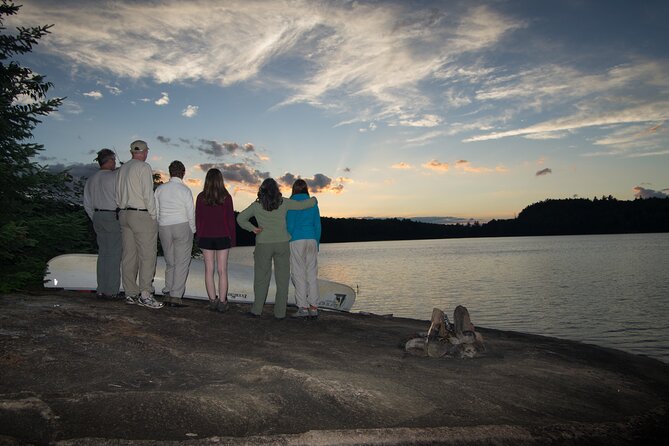
In the evening, dinner is cooked on site and enjoyed by the campfire. This is one of those trips where meals feel like part of the day, not a line item. After dinner, you can look up. Algonquin’s skies can be so clear you may even count satellites. If you’re lucky, you might hear wolves howling in the distance. It is eerie in a good way, the kind of night you remember in the morning.
Campsite Reality Check: Tents, Safety, and Night Sky Moments
Canoeing trips can sound romantic until you picture cold air, bugs, and the logistics of where everything goes. Here, the approach is practical. You learn camping basics alongside canoe basics, and that matters when you’re sharing space with wild animals.
On day 1, once you establish camp, you’re able to explore the lake. The area includes large rapids that were once used as log chutes, and that gives you a lot to look at even if you are taking it easy. This is also where you might notice that wilderness isn’t empty. You are watching an active system, not a museum display.
The sky is a big part of the payoff. You’ll likely see the Milky Way rise slowly overhead. Even if the Milky Way is not your main goal, the simple act of stepping out of your tent and looking up is an eye-opener after days of city light.
Bring the right mindset too. If you expect comfort at a car-camping level, you might feel frustrated. If you’re okay with real backcountry tradeoffs, you’ll feel proud every time you handle the next task, especially when you’re doing it with a group and a guide.
Day 2: Moose Checks, Beaver Dams, and a Welcome Lake Option
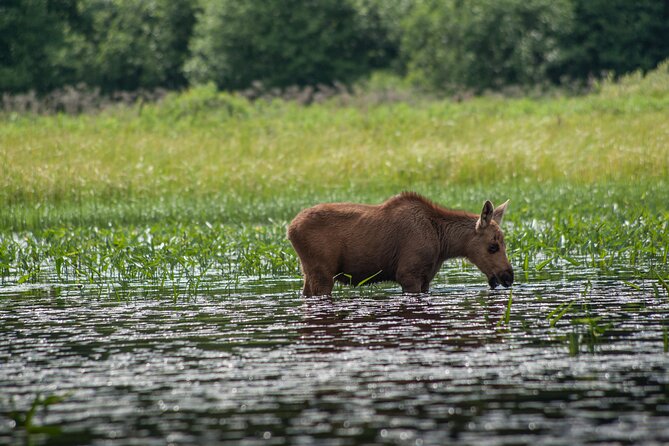
Day 2 is more flexible, and that is a plus. Instead of one fixed big paddling push, you choose how you want to explore.
You can stay around your current lake base by canoe, looking for moose or heading out to another spot. If you want more adventure, you can do another portage and canoe up a river. One route option is the South Madawaska River. If you choose that, expect to pull the canoe over beaver dams. This is not hard technical climbing, but it is water-level work that can soak your feet fast.
That’s why the trip strongly suggests you bring shoes or sandals for the water. It is an easy thing to pack, and it saves you from turning a fun day into wet socks and regret.
Another day 2 option is a mix of canoeing and land hiking. You might canoe about halfway down the lake, then do a couple of portages, and finish with a 1.7 km hike to Welcome Lake. Welcome Lake is described as one of the prettiest in Algonquin Park, with a sandy beach. That makes it a great picnic destination if the weather cooperates and you find a calm spot.
This is also where you’ll get a better feel for your comfort level. By day 2, you have already learned the basic steering and packing. So when you decide to keep it simple or push into another route, it feels like a choice you’re making, not a chore you’re completing.
A few more Ontario days to compare
- Algonquin Park: Deluxe 4-Day/3-night Canoeing/Camping
★ 5.0 · 5 reviews - From Toronto: Algonquin Park Canoeing & Hiking Adventure
★ 4.6 · 291 reviews - Three Sisters Sea Kayaking Day Tour
★ 5.0 · 275 reviews - Snorkel, Kayak, and Seal Adventure: Vancouver Boat Tour
★ 5.0 · 264 reviews
Day 3: Early Paddle Out, Moose at Shore, and Ancient Pictographs
Day 3 begins early. After breakfast, you pack up camp, load the canoes, and start paddling home. Starting early has two advantages. First, it can be easier on you physically, cooler air can feel good after two active days. Second, you might see wildlife while they come to the shore to drink.
Along the way, there’s a planned stop at ancient pictographs painted by Indigenous people centuries ago. It’s an important moment built into the route, and it adds meaning beyond simply enjoying the scenery. You’ll get to see human marks connected to the same wilderness you’re paddling through.
Then it is the return paddle to the meeting point. The trip ends back where it starts, which makes logistics simpler and reduces the stress of figuring out end-of-trip transportation.
Price and Logistics: What $493.87 Really Covers
At $493.87 per person for an approximately 3-day trip, the price might look high until you break down what is included. This is not just a guide on the water. It is an organized wilderness weekend where you pay for the big cost items that usually make trips like this pricey.
Included:
- 2 nights accommodation in tents
- A professional guide
- National park fees
- Meals as per the itinerary, breakfast, lunch, and dinner
- All necessary equipment for the canoe trip, plus the tents
- Vegetarian option available if you request it at booking
Not included:
- Parking permit
The value is in how much responsibility the trip takes off your shoulders. You do not have to source canoe gear, you do not have to figure out permits, and you do not have to plan meals for multiple days in a remote area. Your personal items still matter. You’ll bring personal gear like your sleeping bag and flashlight, but the bulk of the backcountry infrastructure is handled.
Also, small group size matters. With a maximum of 8 travelers, you get more attention during instruction and help during portaging. That can be the difference between feeling confident and feeling like you’re constantly waiting for someone to catch up.
If you are weighing this against self-organized canoe camping, the guided format is often the smarter move for learning. You’ll spend less time figuring out logistics, and more time learning what to do with your hands on the canoe.
The Canoes: Kevlar Speed, Fragility, and Portage Practicality
The kevlar canoes are a key detail. They are designed for the expedition feel, meaning you get lighter carry weight and good water performance. Portages become manageable instead of brutal.
Still, you need to respect them. They are more fragile around rocks than some other canoe types, so you’ll hear guidance about handling and care. That might mean slower, cleaner movement when you are loading and unloading. It might also mean being more deliberate when you hop out to manage a crossing.
Here’s the practical benefit: if you learn correct technique and careful handling early, the canoe feels less intimidating over time. You start trusting your steering. And you start noticing that portaging becomes a skill instead of a burden.
What to Bring and How to Dress for Real Weather
This trip operates in all weather conditions. That means your clothing choices are not optional. Dress appropriately for your expected conditions, and plan for wet and cool moments. Algonquin weather can change quickly, and you’ll be out on the water during parts of each day.
Packing needs to work for two realities:
- You are carrying gear on portages.
- You are in a setting where you cannot treat every splash as a minor inconvenience.
A few practical reminders based on the route:
- Bring shoes or sandals for the water, especially if you do river routes with beaver dams.
- Bring personal items like your sleeping bag and flashlight.
- Don’t forget the practical essentials your guide expects for safety and comfort.
Also note the minimum age is 8 years old, and children must be accompanied by an adult. That makes it family-friendly in the right hands, but it still requires cooperation, attention, and basic physical stamina.
Who This Trip Suits Best (And Who Might Want Another Option)
This is a strong fit if you want an introduction to wilderness camping and you’re okay with active days. The trip requires a strong physical fitness level, and you should expect paddling, portaging, and some walking like the 1.7 km hike option on day 2.
It also fits beginners better than you might assume. Your guide teaches everyone the necessary canoeing skills and also covers safe camping and how to operate while sharing the environment with wild animals. One review described the experience as Canadian style, not for the faint heart, but amazing. A laid-back guide, Robin, led a group with mixed skill levels through the basics in conditions that can feel challenging for first-timers. That matches what you should expect: you will learn fast, and you’ll be moving the whole time.
If you want a polished lodge experience, private shuttles, and a schedule built around convenience, this is probably not your match. But if you want real backcountry time with expert support and a small group, it is exactly the kind of trip that can change how you think about camping.
Should You Book This 3-Day Algonquin Park Canoe Trip?
Book it if you want:
- A guided way into wilderness camping
- Wildlife time with moose spotting as a realistic goal
- All-inclusive value, especially meals, permits, tents, and canoe gear
- A small group setting that keeps learning practical
Skip it if:
- You dislike physical effort like portages and multi-day paddling
- You are not comfortable with all-weather operations
- You want a totally hands-off experience with no packing and setup responsibilities
If your idea of a good vacation includes paddling, learning new skills, and watching the night sky in a place that feels truly remote, this trip earns its reputation.
Recently listed around Ontario
- Toodle Tour in Port Hope Ontario★ 5.0 · 6 reviews
- Wine Tasting and Pairing Afternoon Tour★ 5.0 · 126 reviews
- Thousand Islands Two Castle Helicopter Tour★ 5.0 · 52 reviews
- Private Singhampton Caves Hiking Tour, Collingwood/Blue Mountain★ 5.0 · 32 reviews
- Thousand Islands Helicopter Tour★ 5.0 · 100 reviews
- Smartphone Audio Driving Tour between Wasaga Beach and Toronto★ 4.5 · 3 reviews
- Guided Craft Beer Tour in Niagara★ 4.5 · 6 reviews
- Rouge River Classic Whitewater Rafting Package★ 4.5 · 42 reviews
Canoes & Kayaks, compared.
Banff National Park: Big Canoe River Explorer Tour
Read our review →
Snorkel, Kayak, and Seal Adventure: Vancouver Boat Tour
Read our review →
Wild Current Canoe Adventure Join a small group
Read our review →
River Explorer | Big Canoe Tour in Banff National Park
Read our review →
Browse the lists this tour appears in